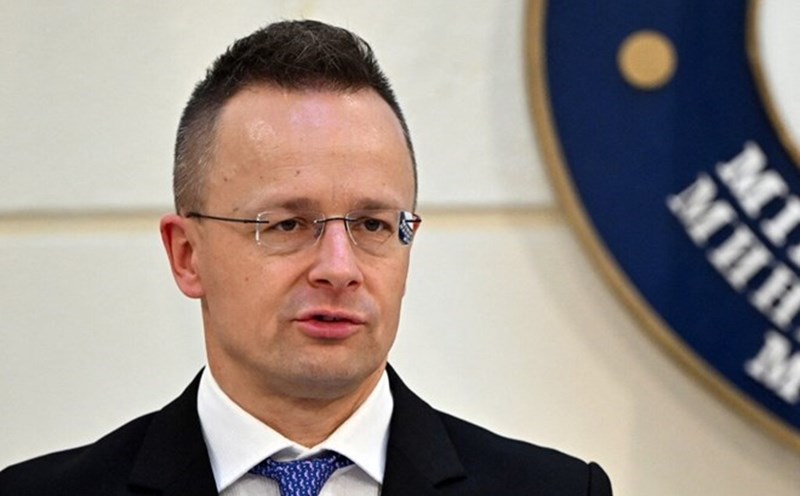
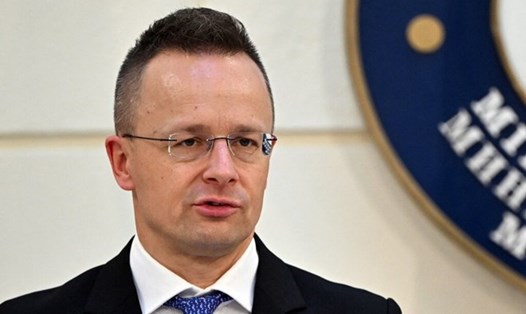
On October 27, Hungarian Foreign Minister Peter Szijjarto reaffirmed to parliament that the country's government opposes the European Commission's plan to completely ban Russian oil and gas by early 2028. He also said Hungary opposes the EU's general energy sanctions against Russia.
Szijjarto argued that the sanctions have failed to achieve the set goal of ending the conflict in Ukraine. However, despite these failures, EU leaders seem unwilling to abandon their policies. "They want to weaken not only the economy but also the security of Europe's energy supply," the Hungarian Foreign Minister warned.
Foreign Minister Szijjarto pledged that Hungary will not follow the path drawn by Brussels. He affirmed that the government will do everything, both politically and legally, to ensure the country's energy supply. He also said that the EU's refusal of Russian energy has no impact on the Kremlin's decisions.
The most notable point in Mr. Szijjarto's speech was the threat to sue the EU Council's decision to ban Russian gas to the European Court of Justice (ECJ) - the bloc's highest judicial body.
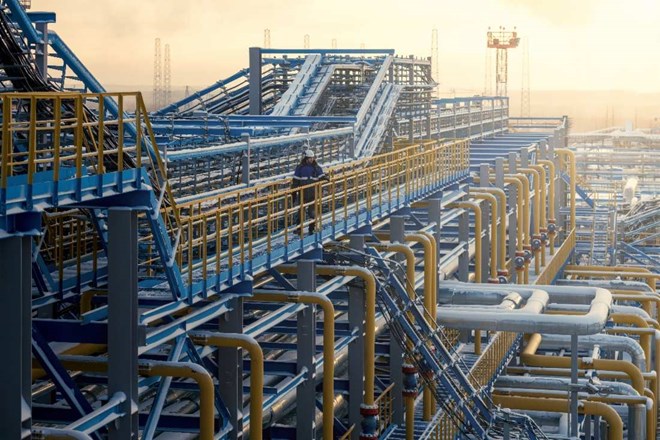
Budapest believes the decision is invalid because it was passed by a majority, while important issues of foreign affairs and security under EU law must be unanimously approved by all members.
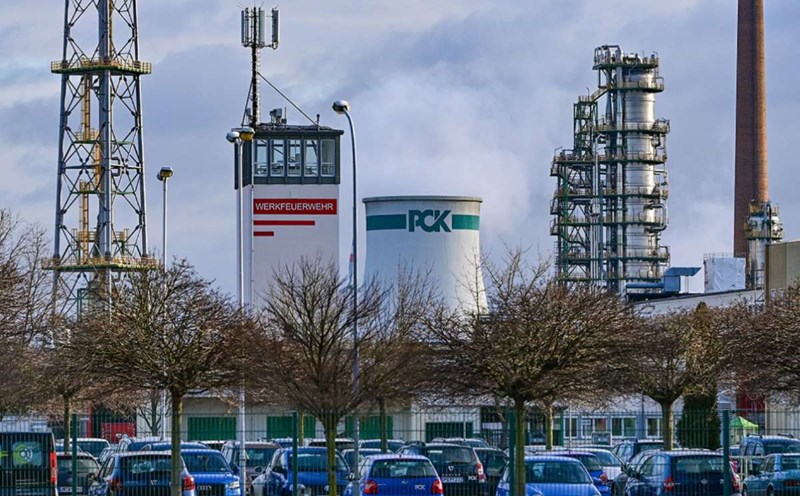
On October 20, the EU Council approved a phase-by-phase ban on all Russian gas purchases, effective from January 1, 2028. This decision applies to both pipeline gas and liquefied natural gas (LNG). The EC plan also includes a ban on Russian oil supplies from 2028.
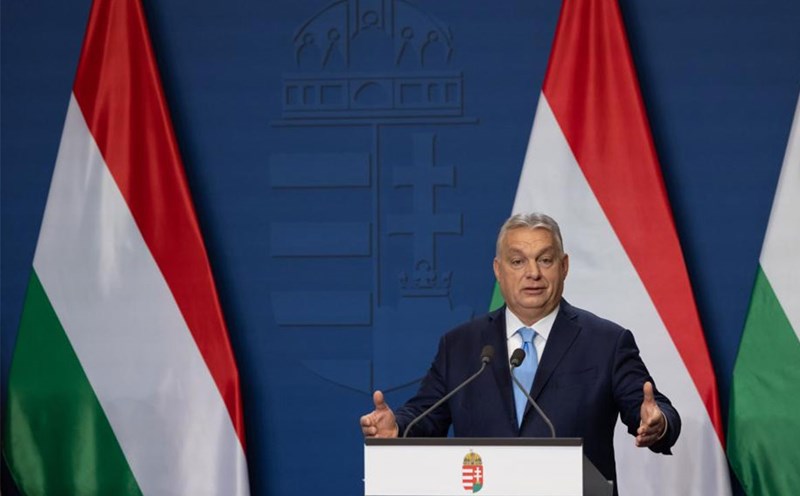
The Hungarian government has previously expressed its intention to seek exemptions from these rules, but has so far not received any proposal from EU leaders.