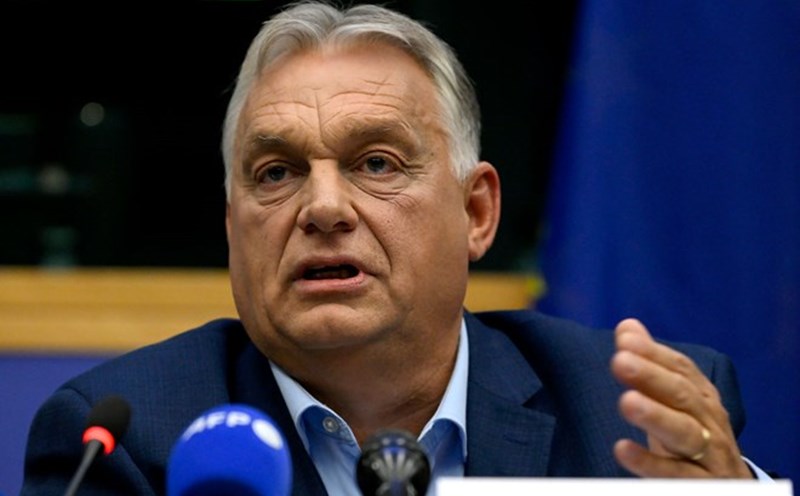
Speaking on national radio on March 6, Hungarian Prime Minister Viktor Orbán affirmed that Budapest will use all measures to resolve the current energy deadlock. "We have stopped supplying gasoline and diesel to Ukraine. Hungary is still maintaining power supply, but will consider blocking more important transit shipments across the border until Kiev agrees to reopen oil supply," Mr. Orbán declared. This is seen as a direct retaliatory blow after weeks of unsuccessful negotiations between the two countries.
The cause of this confrontation stems from the damage to the Druzhba pipeline - the lifeline of oil from Russia through Ukraine to Hungary - after raids and suspension of operations. Hungary accuses Ukraine of deliberately delaying repairs for political purposes to cut off Budapest's supply.
Meanwhile, Kiev denied and affirmed that the continuous attacks from Russia are making efforts to overcome the incident at the scene impossible.
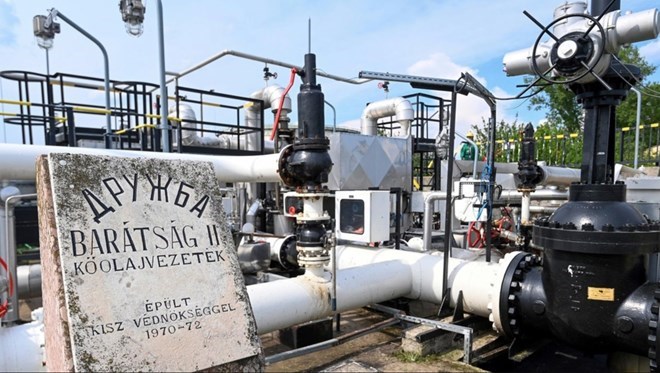
Before this tough move, Ukrainian President Volodymyr Zelensky said that the system needs at least 4 to 6 weeks to operate again due to the serious level of destruction.
Ukrainian energy corporation Naftogaz confirmed that technical teams are making efforts to establish auxiliary pipelines to avoid the war zone, but warnings of risks from Russian fire are still the biggest challenge to workers' lives.
This rift is not only limited to the gasoline issue but also spreads to the financial front. Currently, Prime Minister Viktor Orbán continues to use his veto power to block the 90 billion euro (about 98.1 billion USD) loan package that the European Union (EU) intends to support Kiev. Mr. Orbán clearly stated that resuming oil flows from Russia is a prerequisite for Hungary to consider lifting financial blockades against Ukraine.
Budapest's move is pushing Europe into a dilemma as efforts to maintain intra-bloc solidarity are fractured by individual energy interests.
With the election in Hungary approaching on April 12, analysts believe that Mr. Orbán will continue to maintain a tough stance to consolidate his political position in the country, despite pressure from Western allies and Ukraine's increasing energy shortage.