On March 2, Foreign Minister Peter Szijjarto announced that Hungary had collected undeniable satellite evidence. Images show that the Druzhba oil pipeline - a vital pipeline network transporting oil from Russia through Ukrainian territory to Hungary and Slovakia - is still in good operation, contrary to statements from the government of President Volodymyr Zelensky.
Mr. Szijjarto emphasized: "Satellite images show that there is no technical reason to stop this energy flow.
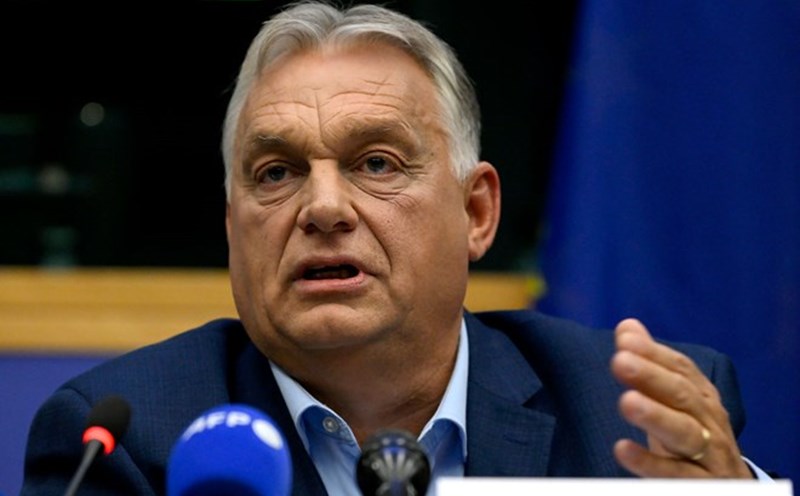
The emergency meeting convened by Prime Minister Viktor Orban took place in the context of the global energy market being shaken by the conflict in Iran. When supply from the Persian Gulf became uncertain due to the Hoarmuz Strait being closed, Hungary considered Ukraine blocking the oil pipeline on land as an "aggressive act".
Since January 27, crude oil from Russia has stopped flowing through the southern branch of Druzhba, pushing Hungary into a serious fuel shortage and directly threatening national security.
In response to this move, the Hungarian government has implemented a series of strong retaliatory measures. Budapest officially suspended the entire supply of diesel oil to Ukraine and resolutely vetoed the huge military loan of 98.1 billion USD that the EU intended to provide to Kiev.
Hungary also issued a strong warning that it will hinder any decisions in favor of Ukraine in Europe until energy flows are fully restored.
Tensions between Budapest and Kiev are pushing the European Union (EU) into a dilemma as member states are divided on energy policy. While Ukraine affirms that stopping transportation is to put pressure on Russia, Hungary believes this is a political blackmail aimed at their national security.
With the announcement of satellite data, Hungary wants to prove to the international community that they are victims of a dangerous geopolitical tactic while the world is tense due to the conflict in Iran.