Mộ cổ thời nhà Minh (1368-1644) ở Tân Châu, tỉnh Sơn Tây, miền trung Trung Quốc có những ô cửa bên ngoài được chạm khắc hình những bông hoa và trong mộ có nhiều cổ vật, theo SCMP.
Tháng 3 năm nay, các nhà khảo cổ Trung Quốc đã công bố những chi tiết quan trọng về cuộc khai quật mộ cổ diễn ra từ tháng 7 đến tháng 12.2023.
Theo Viện Khảo cổ tỉnh Sơn Tây, văn bia trong ngôi mộ giúp các nhà nghiên cứu xác định ngôi mộ thuộc về Wang Luo - một thái giám cai trị thành phố Tân Châu.
Văn bia cũng chứa những lời khuyên hữu ích trong cuộc sống, ví dụ: "Những người vay tiền để làm giàu không nên kiêu ngạo. Họ nên thay đổi phong thái, lịch sự khi gặp gỡ mọi người ở mọi lứa tuổi”.
Các nhà khảo cổ cho rằng, thái giám Wang Luo đã ngoài 50 tuổi khi qua đời.
Khi khai quật mộ cổ, các nhà khảo cổ Trung Quốc phát hiện ra 2 chiếc quan tài bằng gỗ được bảo quản rất tốt. Chiếc quan tài lớn hơn, được sơn màu nâu vàng, trang trí hoa văn kèm dòng chữ “Được nhà Minh ủy thác phục vụ triều đình với tư cách là một quan chức trong cung”.
Quan tài nhỏ hơn có họa tiết trang trí là những bức tranh hoa, cỏ và con công vẫn còn màu sắc và chi tiết rõ nét.
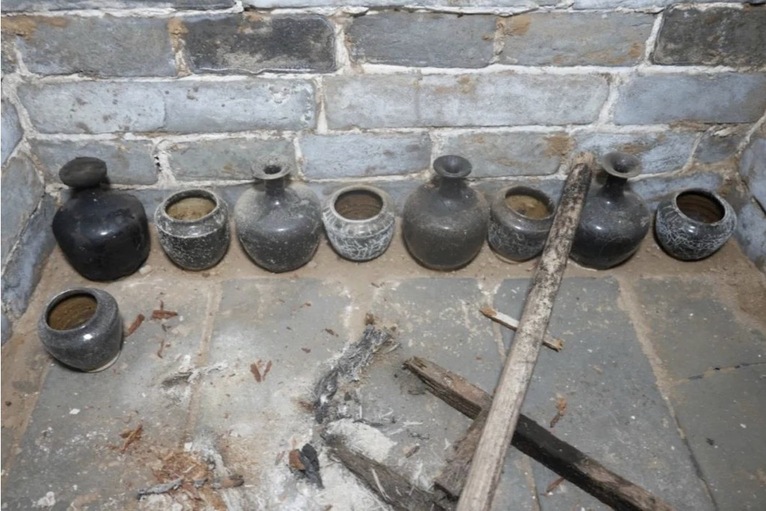
Buồng đặt quan tài trong mộ thái giám Wang Luo có 2 hốc chứa đồ gốm còn nguyên vẹn được cho là chứa ngũ cốc và dầu.
Trong căn phòng riêng phía sau ngôi mộ, các nhà khảo cổ tìm thấy đồ nội thất bằng gỗ được dùng để chôn cùng người đã khuất. Đồ vật trong mộ bao gồm nhiều bát đĩa và bình khác nhau, tạo cảm giác như mọi người đã dùng bữa ở đây trước khi rời đi.
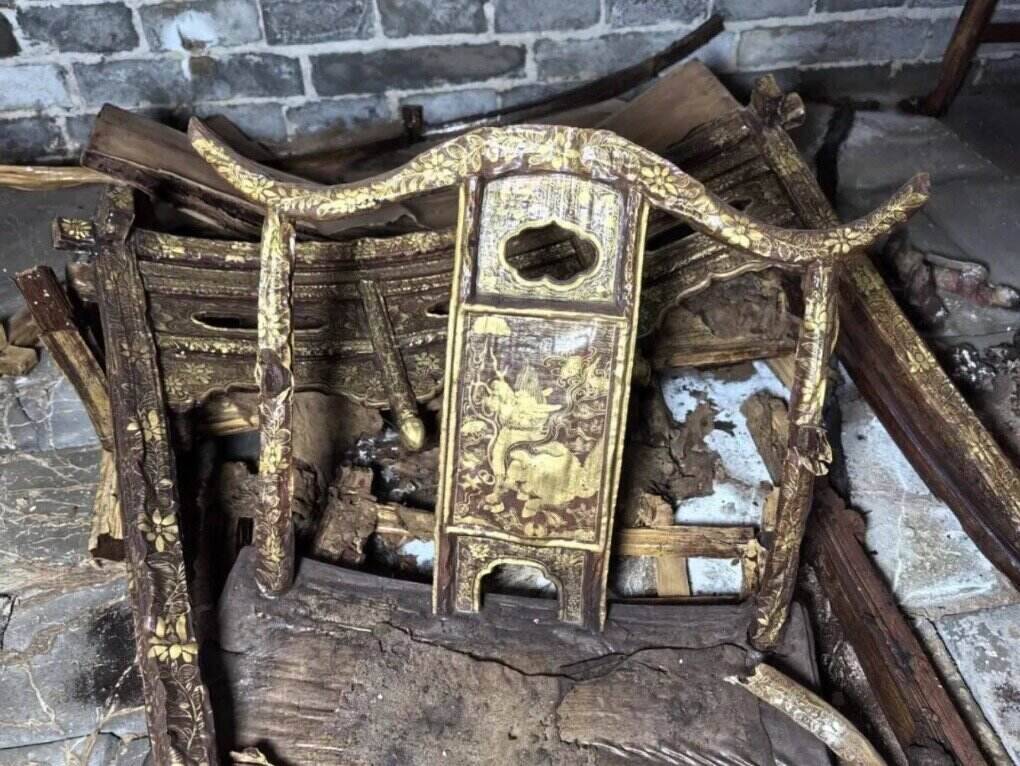
Trong phòng còn có chân đèn, lư hương, bình thiếc, cốc, bát đĩa, tượng gỗ sơn màu và các đồ cúng tế khác. Một chiếc ghế trong mộ vẫn có hoa văn sơn vàng rất đẹp ở tựa lưng.
“Ngôi mộ được xây dựng tốt, có nhiều đồ tang lễ bằng gỗ và đồ hiến tế được bảo quản tốt. Những đồ vật này rất hiếm ở Tân Châu và thậm chí ở cả tỉnh Sơn Tây. Những món đồ này cung cấp thông tin quý giá để nghiên cứu hình dạng ngôi mộ, đời sống xã hội và phong tục chôn cất thời nhà Minh ở địa phương” - các nhà khảo cổ nêu trong thông cáo.
Thái giám đóng vai trò quan trọng trong lịch sử Trung Quốc, xuất hiện lần đầu dưới thời cai trị của Hán Hoàng Đế (146-167) thuộc triều đại nhà Hán (tồn tại qua 2 thời kỳ Tây Hán (202 trước Công nguyên - 9 sau Công nguyên) và Đông Hán (25 - 220)).
Thái giám trong triều thường nắm giữ những vị trí trong chính quyền và đôi khi có quyền kiểm soát sâu rộng với số phận của một triều đại.
Có 70.000 thái giám sống trong Tử Cấm Thành khi chuyển triều đại từ nhà Minh sang nhà Thanh.
Hệ thống thái giám cuối cùng bị bãi bỏ năm 1924 khi Phổ Nghi - vị hoàng đế cuối cùng của Trung Quốc - rời Tử Cấm Thành. Thái giám cuối cùng là Tôn Diệu Đình qua đời năm 1996.
Việc khai quật mộ cổ ở Tân Châu nằm trong khuôn khổ dự án xây dựng đường cao tốc ở Sơn Tây năm ngoái. Các nhà khảo cổ đã khai quật được 66 ngôi mộ từ thời văn hóa Long Sơn (3000-1900 trước Công nguyên) đến thời nhà Thanh (1644-1911).
Các nhà khảo cổ Trung Quốc phát hiện 2 ngôi mộ thuộc nền văn hóa Long Sơn, 2 ngôi mộ từ thời Chiến Quốc (475-221 trước Công nguyên). Những mộ cổ còn lại thuộc về các triều đại Hán, Đường (618-907), Tấn (266-420), Nguyên (1271-1368), nhà Minh và nhà Thanh.