
Theo tờ China Daily, kể từ thời nhà Hán (206 trước Công nguyên - 220 sau Công nguyên), cao nguyên Hongdu ở Hàm Dương, tỉnh Thiểm Tây ngày nay, là nơi an nghỉ của những người có địa vị xã hội cao.
Kết quả là, các nhà khảo cổ Trung Quốc đã phát hiện ra một số lượng lớn lăng mộ của các nhân vật nổi tiếng ở đó, bao gồm lăng mộ của 9 vị hoàng đế và các thành viên hoàng tộc có niên đại từ thời Tây Hán (206 trước Công nguyên - 24 sau Công nguyên).
Tại khu vực trung tâm cao nguyên, các nhà khảo cổ phát hiện nghĩa trang độc lập lớn nhất bao gồm các ngôi mộ từ thời Thập lục quốc (năm 304-439) đến thời nhà Đường (năm 618-907).
Các cuộc khai quật khảo cổ từ năm 2021 đến năm 2023 do Viện Khảo cổ và Bảo tồn Di tích Văn hóa Thành phố Tây An thực hiện.
Các nhà khảo cổ đã phát hiện ra một con hào bao quanh nghĩa trang Beichengcun, xác định được 301 ngôi mộ và khai quật được 285 ngôi mộ.
Theo Chai Yi, một nhà nghiên cứu tại Viện, về cơ bản họ đã xác định được quy mô và cách bố trí của nghĩa địa rộng hơn 80.000 mét vuông. Các ngôi mộ được sắp xếp hợp lý thành các hàng từ tây sang đông, với lối đi hướng về phía đông.
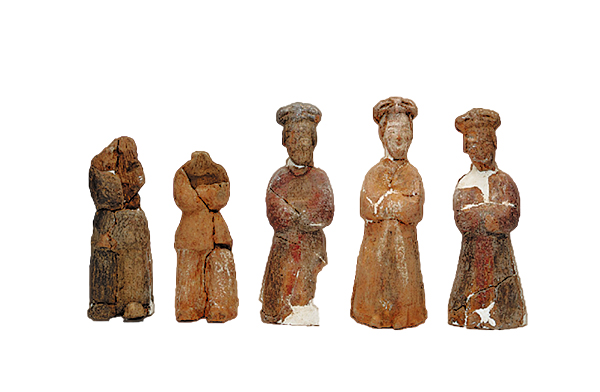
Các ngôi mộ có thể được chia thành ba thời kỳ.
Đầu tiên là thời Thập lục quốc, có 38 ngôi mộ xếp thành 4 hàng ở phía đông bắc. Đây đều là những hầm mộ có lối đi dốc dài.
Trong cuộc khai quật năm nay, các nhà khảo cổ đã tìm thấy một ngôi mộ chứa các bản sao bằng đất của các cấu trúc gỗ và các hình chạm khắc trên tường đất giống với khung dầm gỗ thường được người Hán sử dụng.
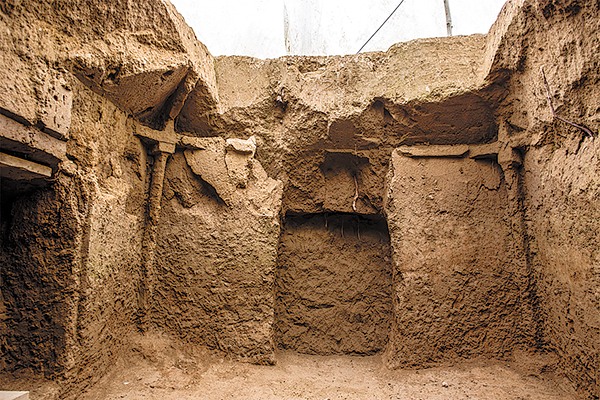
Theo Wei Zheng, giáo sư khảo cổ học tại Đại học Bắc Kinh, tập tục này rất hiếm và được cho là đã xuất hiện trong thời kỳ Thập lục quốc ở trung tâm Thiểm Tây.
Điều này phản ánh quan niệm của người Trung Quốc cổ đại về sự sống và cái chết - nghĩa là phục vụ người chết như thể họ đang sống.
Trong năm hàng gồm 101 ngôi mộ của thời kỳ thứ hai - từ Bắc Ngụy đến Tây Ngụy (năm 535-556), chỉ có một số hiện vật được khai quật gồm tiền xu, lọ đất sét và một chiếc ghế dài.
146 ngôi mộ còn lại thuộc các triều đại Bắc Chu (557-581), Tùy (581-618) và Đường, ở phía tây, đông bắc và các khu vực trống khác của nghĩa trang.
Các nhà khảo cổ cũng đã phân tích xương của khoảng 400 người được phát hiện ở đó, với tỉ lệ giới tính nhìn chung cân bằng - 100 nữ trên 130 nam. Hầu hết đều ở độ tuổi từ 25 đến 50.
Vì quy mô của nghĩa trang lớn hơn nhiều so với quy mô của một gia tộc đơn lẻ, các nhà khảo cổ học tin rằng chúng thuộc về một bộ tộc.
Phân tích khảo cổ học cho thấy họ có thể có mối liên hệ chặt chẽ với một số nhóm như dân tộc Khương, dân tộc Di và Rong.
Mặc dù chủ sở hữu của nghĩa trang có thể thuộc nhóm người không phải người Hán, nhưng những đặc điểm của nghĩa trang, bao gồm cách bố trí các ngôi mộ và các hiện vật được khai quật như tượng đất sét, tiền xu và gương đồng, không khác biệt lắm so với các đặc điểm của nền văn hóa đương thời của miền trung Trung Quốc.
Phân tích khảo cổ cho thấy, hầu hết những người này chủ yếu ăn thực phẩm có nguồn gốc thực vật, bổ sung thêm một ít thịt. Ngoài ra, quy mô của các ngôi mộ dường như giảm dần qua ba thời kỳ.
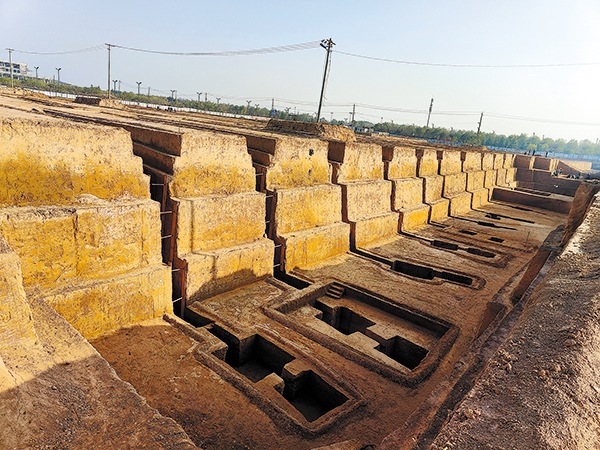
Trong thời kỳ Thập lục quốc, những ngôi mộ rất lớn dành cho các quan hoặc tầng lớp quý tộc, được thể hiện qua quy mô và các hiện vật được khai quật. Nhưng từ Bắc Ngụy đến Tây Ngụy, các ngôi mộ đều có kích thước trung bình, với ít đồ vật an táng hơn rất nhiều. Vào thời kỳ gần đây nhất, những ngôi mộ rất nhỏ và có lẽ dành cho người bình thường.
Theo các chuyên gia, nghĩa trang này có thể được coi là một khám phá quan trọng trong lịch sử nghiên cứu khảo cổ về lăng mộ của Trung Quốc, bởi các nhà khảo cổ không biết nhiều về những ngôi mộ từ thời Thập lục quốc cho đến gần đây.


