The 2024 Atlantic hurricane season is a roller coaster ride that no one wants to be on.
The 2024 hurricane season has basically broken all the rules, and there will be more major storms in October and through the end of the season, said Colorado State University hurricane researcher Phil Klotzbach.
The latest storm information from the US National Hurricane Center (NHC) on October 5 said that tropical storm Milton has formed in the Gulf of Mexico and is forecast to strengthen into a major hurricane heading towards Florida (USA) with the possibility of affecting the west coast.
Milton is forecast to undergo rapid intensification and "pose a life-threatening threat to parts of Florida's west coast next week," the NHC said.
Milton is forecast to become a major hurricane in the central and eastern Gulf of Mexico. A major hurricane is defined as a Category 3 or higher storm with winds of 110 mph or higher.
This year’s Atlantic hurricane season has been on an incredible journey over the past few months. Although the peak of the season has passed, October can still bring major storms.
Since the beginning of the year, the 2024 hurricane season has been predicted by many organizations such as the US National Oceanic and Atmospheric Administration (NOAA), Colorado State University and many other agencies to be an active, "above average" hurricane season.
And as predicted, the hurricane season got off to a busy start with Hurricane Beryl, which devastated parts of Texas with flooding, power outages, and several deaths.
In early August, Hurricane Debby not only impacted the state of Florida when it made landfall, but also made a second landfall in South Carolina a few days later. Hurricane Debby brought heavy rain and severe damage.
Hurricane Ernesto was another notable storm, but after Ernesto, the hurricane season went quiet for a few weeks, leaving some wondering if this year's "above average" forecast was correct.
All of that ended when Hurricane Francine formed and made landfall in Louisiana on September 11.
Then the unthinkable happened. Hurricane Helene developed and will likely go down in history as one of the most destructive storms to ever hit the United States.
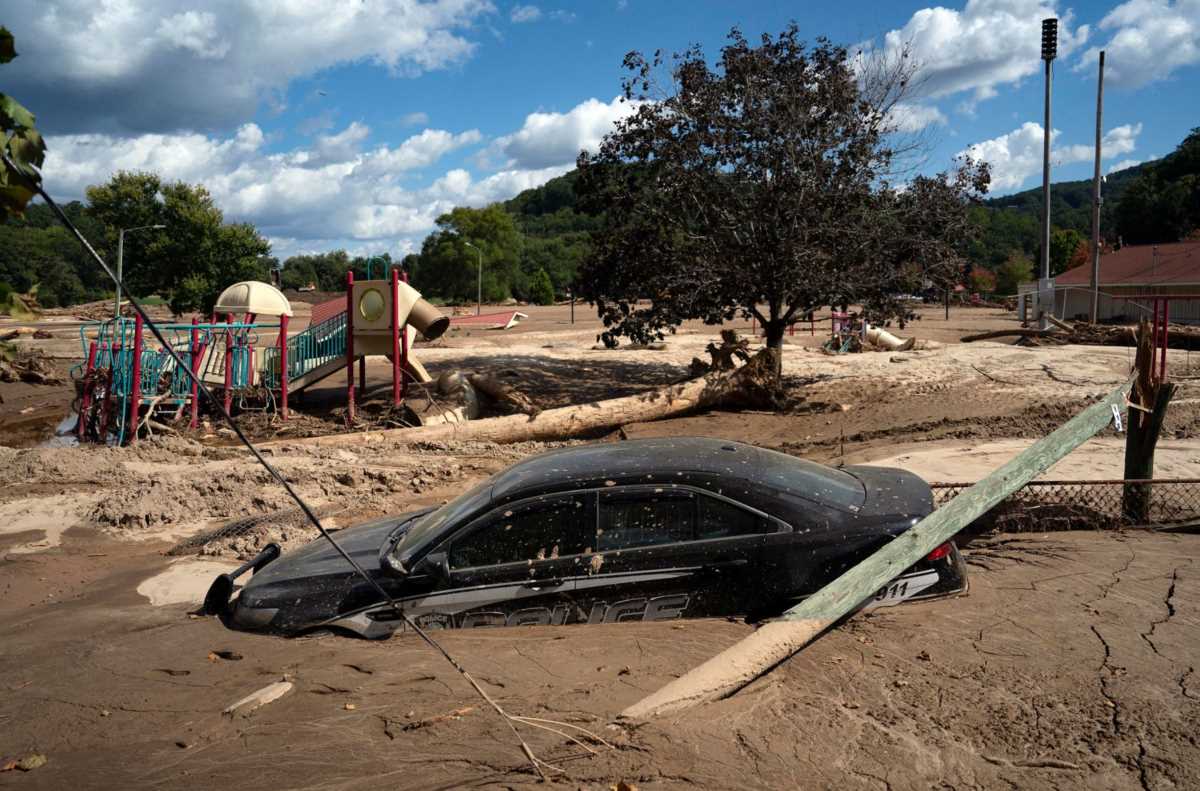
The impact of Hurricane Helene was catastrophic, killing at least 227 people. Busick, North Carolina, received more than 30 inches of rain from Helene. Flooding and mudslides submerged communities.
The peak of the Atlantic hurricane season typically occurs each year around September 10. But as history has shown, October can see a lot of major storms.
In fact, climatically, there is a secondary peak in mid-October. That peak is mainly in the Caribbean Sea and the Gulf of Mexico area.
One of the biggest reasons is that water temperatures remain very warm in October in this region, which helps fuel hurricanes. That also means hurricanes can form near the US at this time of year.
The Atlantic hurricane season officially ends on November 30.