
For many years, global health missions have been Cuba's "gold mine" of foreign currency, bringing in about 7 billion USD last year according to official figures. But amidst the island nation sinking into a fuel crisis and prolonged power outages, some countries have begun to narrow down or terminate Cuban doctor reception programs - in the context of increased US pressure.
Last week, Guatemala announced that it would "gradually end" the 3-decade program where 412 Cuban health workers (including 333 doctors) worked to fill the gap in the health system after Hurricane Mitch 1998. The Guatemalan Ministry of Health said it is developing a plan to replace it with domestic human resources and reallocate resources.
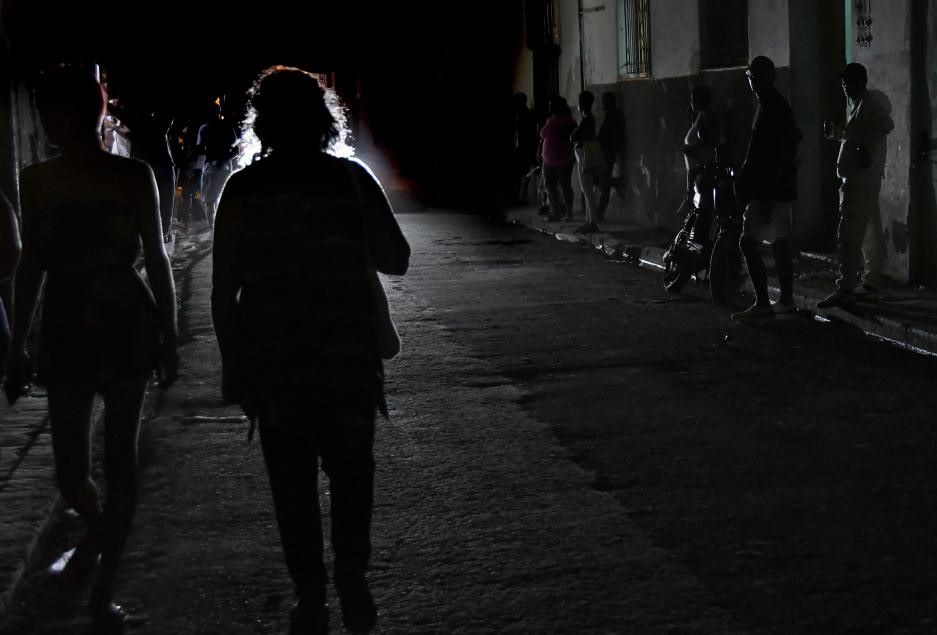
This move comes as Washington wants to block Havana's major source of revenue. Since the beginning of the year, President Donald Trump's administration has imposed tight oil tariffs, exacerbating power shortages, food shortages and medical supplies in Cuba.
A significant portion of the income of doctors working abroad is paid to the state treasury - what Washington aims for when trying to "squeeze" the money flow.
Cuba began sending doctors abroad immediately after the 1959 Revolution led by leader Fidel Castro. Over time, the "white army" became a key diplomatic tool, present from Latin America, Africa to the Middle East.
More than 24,000 Cuban doctors are working in 56 countries, including Venezuela, Nicaragua, Mexico, Angola, Mozambique, Algeria and Qatar. During the COVID-19 pandemic, Italy also received Cuban doctors to save the overloaded hospital system.
The US has repeatedly accused these missions of "forced labor" and human trafficking, although it has not provided specific evidence - the accusation was rejected by Cuba.
In February last year, US Secretary of State Marco Rubio announced visa restrictions on Cuban officials and foreign officials related to the "labor export program", especially medical tasks.
In August 2025, Washington revoked visas of some Brazilian, African and Caribbean officials due to their involvement in the Cuban doctor program.
Brazil withdrew from the "More Doctors" program in 2018 after Mr. Jair Bolsonaro - who criticized it as "labor slaves" - was elected. By 2025, he was sentenced to 27 years in prison for plotting a coup after the 2022 election failure.
However, not every country is "downgraded". In March 2025, Barbados Prime Minister Mia Mottley refuted the US visa restriction threat, emphasizing that the Caribbean cannot overcome the pandemic without Cuban doctors.
Leaders of Trinidad and Tobago or Saint Vincent and Grenadines also declared their willingness to lose US visas to protect their domestic healthcare systems.
The government of Calabria (Italy) declared that Cuban doctors are still an essential force to help the local hospital system maintain operations. In 2023, Calabria signed a contract to receive nearly 500 Cuban doctors to compensate for the serious shortage of human resources.
Some countries are seeking to circumvent pressure. This month, Guyana announced that it will pay salaries directly to Cuban doctors instead of transferring them to the Havana government.
According to scholars, Washington has not given a consistent reason for the current level of pressure. Besides the goal of weakening the Havana government, there are also calculations on migration, real estate and tourism. Meanwhile, for many poor countries, the question is very realistic: if Cuban doctors leave, who will fill the void in the most remote areas?


