At Hluhluwe-iMfolozi Park in KwaZulu-Natal province, South Africa, drones are becoming one of the tools to support conservation forces in tracking rhinos on vast terrain.
Through images transmitted to the handheld screen, the device can help forest rangers observe areas beyond visibility at night, while supporting conservation groups to locate rhinos for monitoring and performing veterinary work during the day.
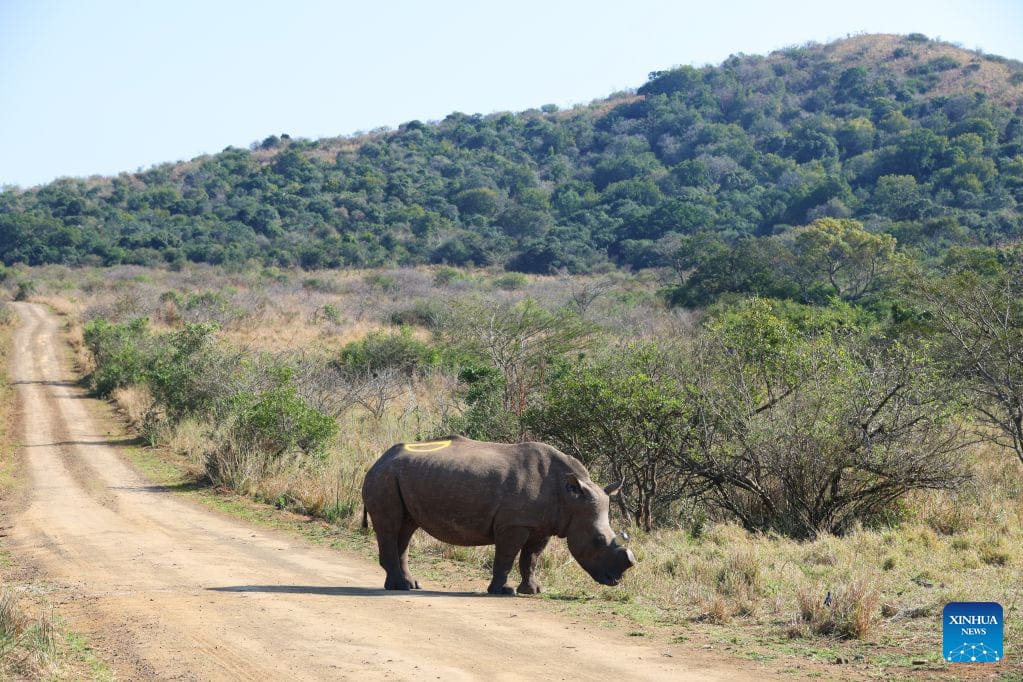
Hluhluwe-iMfolozi is one of the oldest rhino conservation areas in Africa, playing an important role in the survival of the southern white rhinoceros. However, poaching for horns continues to put pressure on conservation work. According to the 2026 rhino status report of the International Rhinophile Fund, the number of white rhinos globally is estimated to decrease from 17,464 in 2023 to 15,752 in 2024.
Faced with this situation, Hluhluwe-iMfolozi is strengthening the application of technology. Hundreds of cameras are located in the sanctuary capable of transmitting images of unusual activities, while nearly 20km of fences in key areas are being upgraded with smart systems.
Cedric Coetzee, senior advisor on rhino protection at the KwaZulu-Natal Nature Reserve (Ezemvelo KZN Wildlife) said that if intrusion occurs, the system will send a warning to the operating center. Data from cameras, sensors and smart fences are then compiled for staff to assess risks and coordinate response forces.
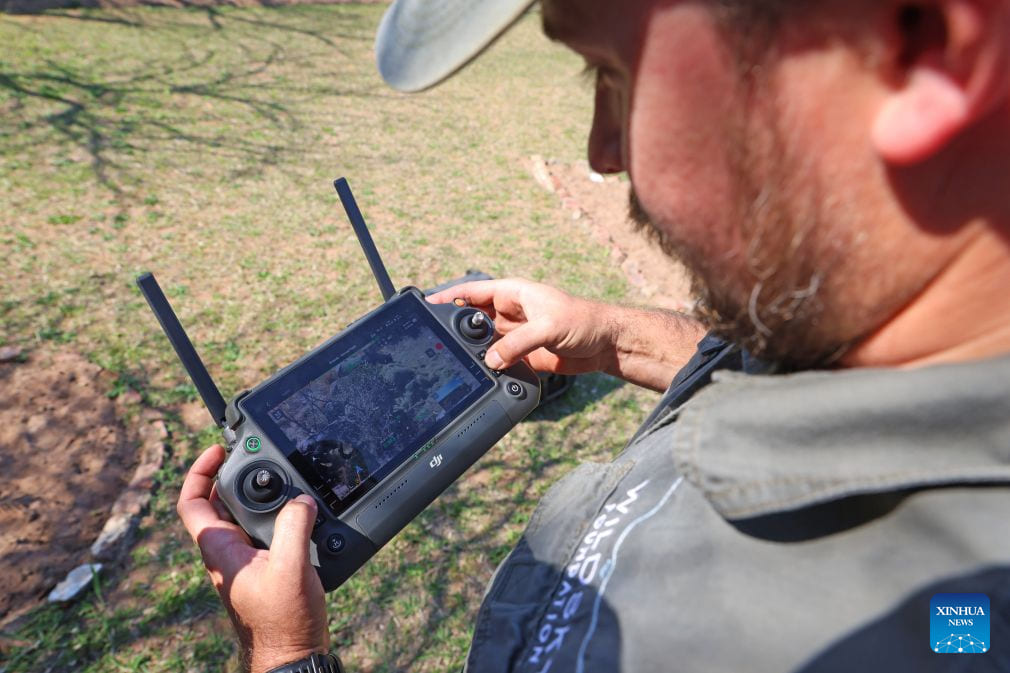
Technology does not completely replace humans. Forest rangers still patrol, check fences and handle intrusions, with the support of sniffer dogs and helicopters when necessary.
In addition to combating poaching, technology is also used to track each individual. In a campaign in August, experts safely anesthetized a young white rhino, cut off its horns to reduce the risk of becoming a target for poachers and attached tracking devices to the animal.
Data from the South African Ministry of Forestry, Fisheries and Environment shows that the number of rhinos poached in Hluhluwe-iMfolozi has decreased from 198 in 2024 to 63 in 2025. Mr. Coetzee said that this result was achieved after the sanctuary increased investment in technology, consolidated anti-poaching forces, improved resource coordination and expanded horn cutting activities from 2024.