Năm 2024, một tàu vũ trụ mới có tên Europa Clipper sẽ lên đường khám phá mặt trăng Europa của sao Mộc để tìm hiểu về khả năng hỗ trợ sự sống tại đây. Điều đặc biệt của dự án này là bên cạnh những cảm biến công nghệ cao, con tàu sẽ mang theo tên của hàng trăm ngàn người và một bài thơ độc đáo.
NASA có lịch sử gửi những thông điệp và tác phẩm nghệ thuật có ý nghĩa vào không gian với mong muốn rằng, người ngoài hành tinh có thể tìm thấy chúng. Nổi tiếng nhất là chiếc đĩa “vàng” được mang theo tàu vũ trụ Voyager vào những năm 1970. Các đĩa bao gồm hình ảnh, âm thanh, âm nhạc và lời chào bằng giọng nói bằng 55 ngôn ngữ. Hiện tại, một dự án mới được gọi là “thông điệp trong chai” tương tự như vậy cũng đang được NASA thực hiện.
NASA đang kêu gọi mọi người tham gia vào kế hoạch gửi thông điệp vào vũ trụ mới của mình. Những người muốn ghi dấu ấn lên một mặt trăng xa xôi của sao Mộc chỉ cần gửi tên của họ cho NASA trước tháng 10.2024. Những cái tên này sẽ được đưa vào vũ trụ trên tàu Europa Clipper, dự kiến sẽ tiến vào quỹ đạo Sao Mộc vào năm 2030.
Europa, một trong 95 mặt trăng của Sao Mộc, được chọn cho sứ mệnh này vì nó được cho là có nguồn năng lượng và nước ở dạng lỏng, tạo điều kiện lý tưởng cho sự sống. Mặc dù bề mặt của Europa bị bao phủ bởi lớp băng, nhưng nghiên cứu cho thấy dưới bề mặt đó có một đại dương dạng lỏng rộng lớn cùng những hoạt động hóa học có thể tạo ra điều kiện sống.
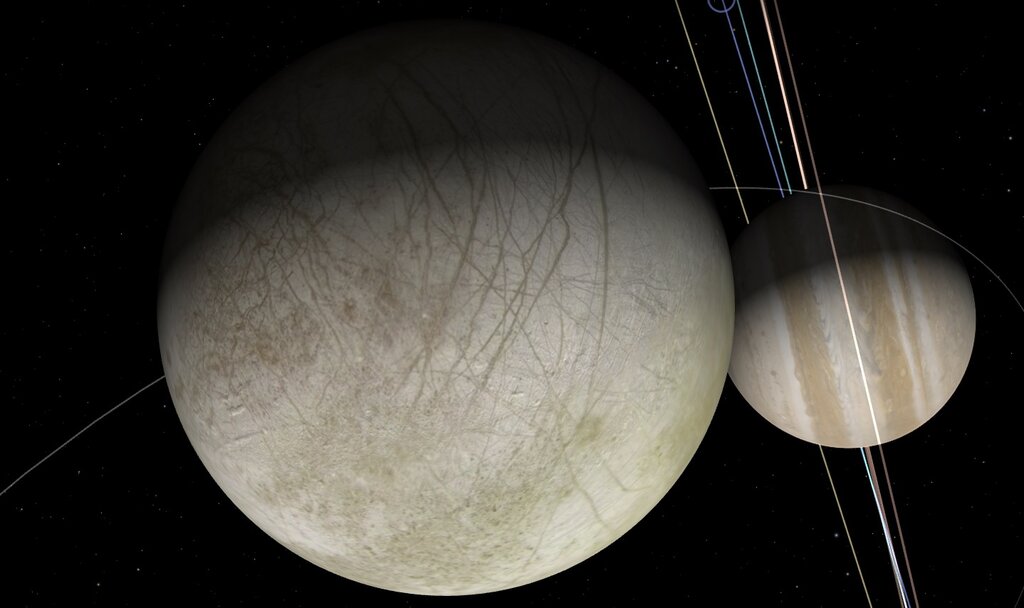
Bên cạnh tên của những người tham gia, “Thông điệp trong chai” còn mang theo một bài thơ độc đáo. Theo Washington Post, bài thơ của nhà thơ người Mỹ Ada Limón mang tên "In Praise of Mystery: A Poem for Europa" (Ca ngợi sự huyền bí: Một bài thơ cho Europa) sẽ được đưa theo như một nguồn động viên và tìm hiểu về sự kỳ diệu của vũ trụ.
Những người tham gia sẽ trở thành một phần của lịch sử khi tên của họ và bài thơ sẽ được NASA in lên một vi mạch cực nhỏ, sau đó gắn vào tấm kim loại và đưa theo tàu vũ trụ. Đây là cơ hội đặc biệt để gửi đi hy vọng và thể hiện mong muốn khám phá vũ trụ bao la của con người.
Đến nay, đã có khoảng 700.000 tên được gửi đến NASA, tạo nên một thông điệp lớn về sự kết nối và khám phá không gian. Những cái tên sẽ được in lên một vi mạch cỡ đồng xu bằng chữ viết cực nhỏ, sau đó gắn vào một tấm kim loại có khắc bài thơ đi kèm.