
Russia has announced that it will continue to supply oil to Cuba, despite growing pressure from the US and severe energy shortages in the Caribbean island nation.
This move comes just two weeks after Moscow dispatched a ship carrying about 700,000 barrels of crude oil to Cuba - a shipment considered a temporary "lifebuoy" for the struggling economy.
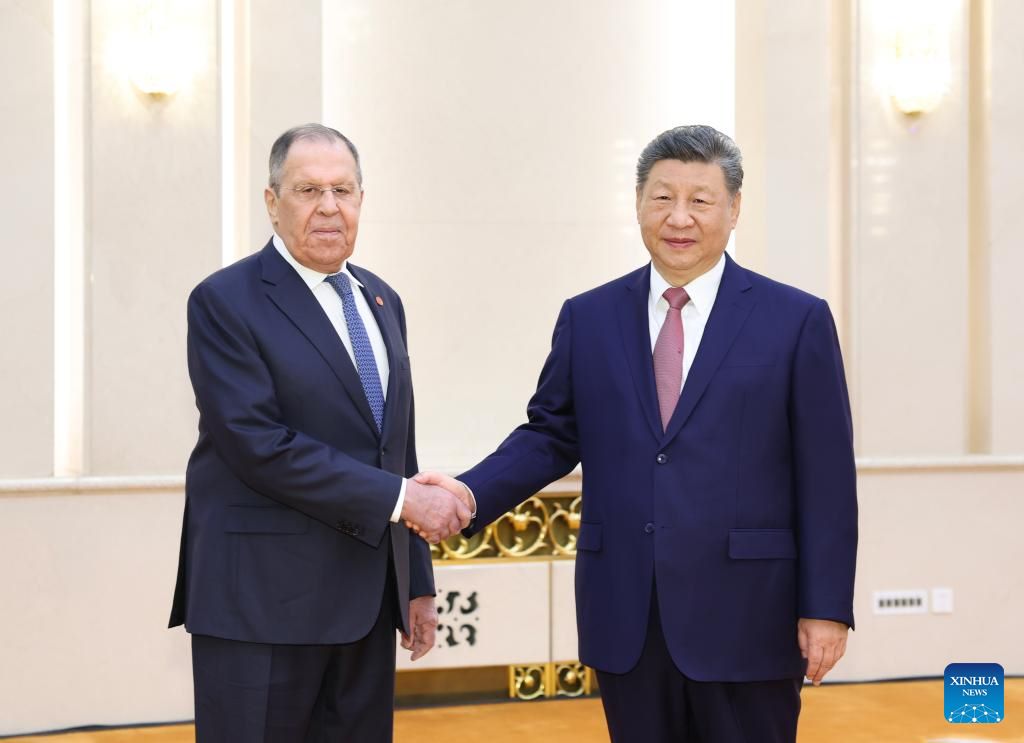
Speaking during a visit to China on April 15, Russian Foreign Minister Sergey Lavrov affirmed that Moscow will maintain energy and humanitarian aid to Havana. He said that the oil shipment just transferred to Cuba may only be enough for a few months, but Russia will continue the next shipments.
Cuba is currently in a serious fuel crisis after the US blocked oil supplies from Venezuela - Cuba's key partner - from the beginning of this year. This decision has caused the energy system of the island nation of nearly 11 million people to fall into a serious shortage, causing widespread power outages and paralyzing many economic activities.
Not only Venezuela, Mexico - another major supplier - has also stopped exporting oil to Cuba, further complicating the situation.
In that context, the Russian oil tanker docked at Matanzas port at the end of March carrying about 700,000 barrels of oil is considered the first shipment after months of interruption. However, experts believe that this amount of oil is only enough to meet demand for about 7-10 days, showing that Cuba's energy shortage cannot be solved by single shipments.
The noteworthy point is that despite maintaining strong pressure, President Donald Trump's administration still allowed the Russian oil tanker to dock at Cuban ports for "humanitarian" reasons. However, Washington affirmed that future shipments will be considered "in each specific case", meaning that the US still holds actual control over energy flows to Cuba.
At the same time, Mr. Trump also threatened to impose sanctions on countries that supply oil to Cuba, in order to increase pressure on the Havana government. This policy has made many partners hesitant, contributing to disrupting the island nation's fuel supply chain.


