
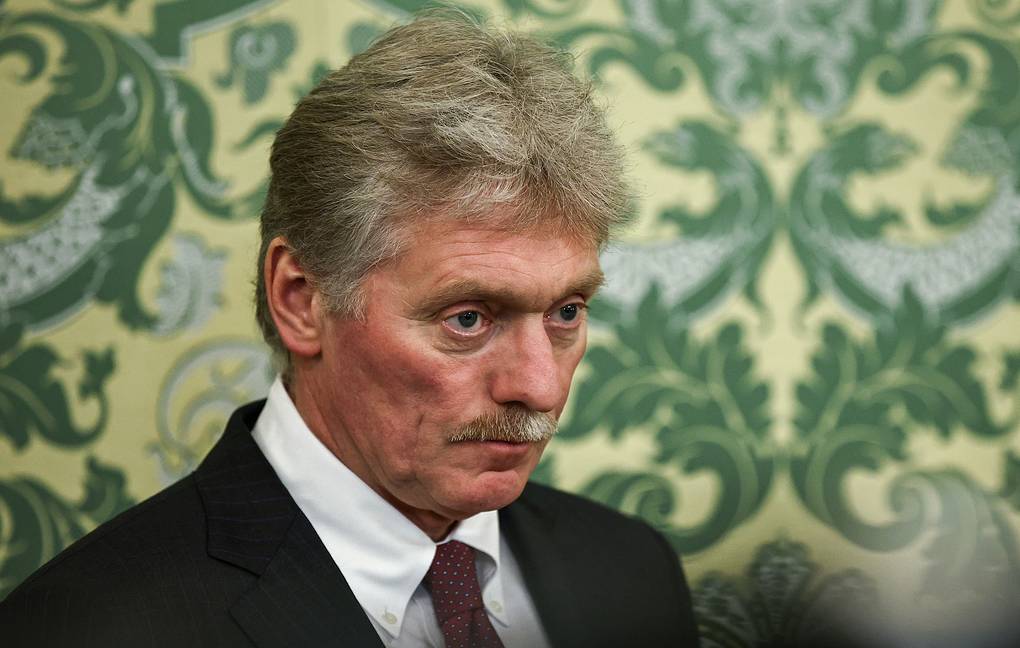
Russia is considering a strategic step, proactively withdrawing from the European energy market instead of waiting for bans from Brussels to take effect. The information was confirmed by Kremlin spokesman Dmitry Peskov on March 18.
According to Mr. Peskov, President Vladimir Putin's directive on considering the possibility of early withdrawal from the European gas market is still under careful analysis. "This is a complex issue, requiring a comprehensive assessment in the context of a volatile market," he said.
The "movements" mentioned by the Kremlin mainly stem from the Iran-related conflict, which is shaking the world energy market. Oil prices are rising sharply, supply is disrupted, while strategic shipping routes are threatened, making trend forecasting more difficult than ever.
In that context, Russia is facing a pivotal choice: Continue to maintain the traditional market in Europe or shift to "more attractive" partners. According to Putin, proactively reorienting exports could bring greater benefits instead of "waiting for the door to shut shut".
This statement implies the European Union (EU)'s plan to further tighten energy imports from Russia, with a roadmap towards completely banning hydrocarbon products, including liquefied natural gas (LNG), by 2027. Some new measures are expected to take effect as early as the end of April.
If Moscow really takes a step ahead, the consequences for Europe will not be small. Although the EU has made efforts to diversify its supply since the Ukraine conflict, Russia is still an important link in the energy balance, especially for some countries heavily dependent on cheap gas.
Russia's withdrawal could cause energy prices in Europe to rise again, putting pressure on inflation and already fragile economic growth. Meanwhile, alternative sources such as LNG from the US or the Middle East are not only more expensive but also bear increasing geopolitical risks.
In the opposite direction, Russia seems to have prepared for this scenario in advance. Shifting to Asia, especially China and India, helps Moscow gradually reduce dependence on the European market. If it completely withdraws, Russia can reshape its export network in a more flexible and less politically constrained direction.
However, the final decision has not yet been made. The Kremlin emphasized that all scenarios are being considered based on "long-term benefits" and the actual developments of the market.
Meanwhile, the global energy market continues to face new shocks. As the Middle East conflict has not cooled down and Russia is considering leaving Europe, the risk of a deep restructuring of the world energy map is becoming clearer than ever.


