
The war launched by President Donald Trump and Prime Minister Benjamin Netanyahu against Iran is creating two consequences: the global energy crisis and strong oil money flowing into Russia.
Oil prices reacted immediately. Brent oil prices - the benchmark for about 80% of global oil transactions - at one point jumped to $119/barrel before falling to around $90, still nearly $20 higher than before the war broke out. The reason lies in the fatal bottleneck: the Strait of Hormuz is almost paralyzed.
This narrow sea route of less than 40km originally transported about 20% of global crude oil. But attacks on oil tankers and soaring war insurance premiums have almost frozen transportation operations. A ship worth 120 million USD now has to pay a premium of over 1 million USD - dozens of times higher than normal.
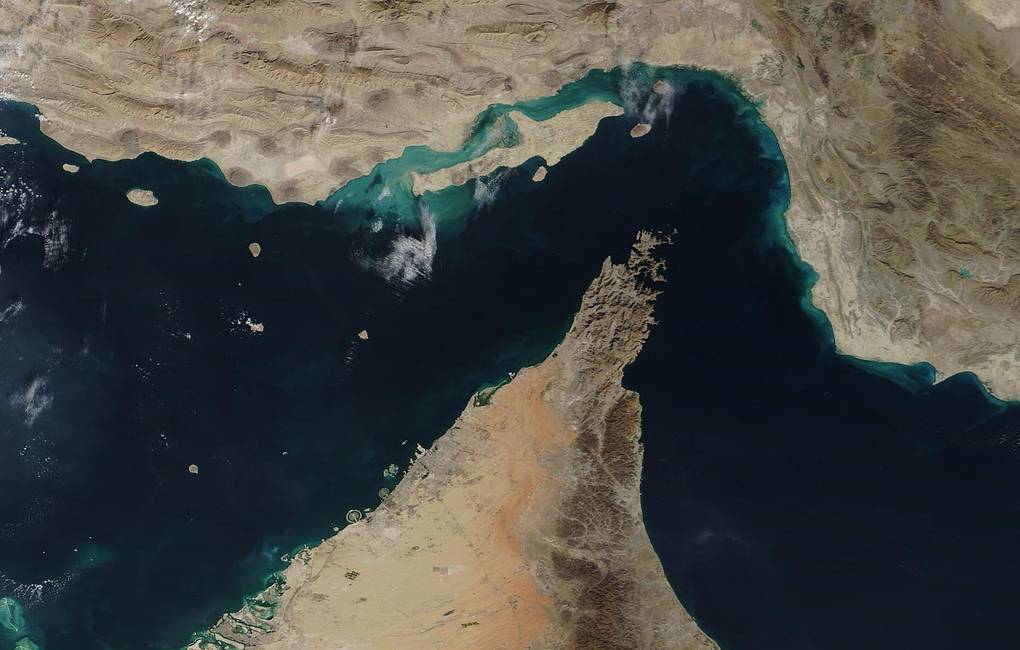
Unable to export, the Gulf countries are forced to cut production. Kuwait, Iraq and UAE successively narrowed exploitation as warehouses were full and there was no market outlet.
Meanwhile, Russia is outside the vortex. As the world's third largest oil producer, Russia is not dependent on Hormuz and continues to export stably. Even for the first time in history, Russian Urals oil is traded higher than Brent - an unprecedented development.
According to market data, Urals oil prices have far exceeded the ceiling of 60 USD/barrel imposed by the West, an increase of more than 66% in just 1 month. In India - the largest customer, Russian oil is delivered at nearly 99 USD/barrel, a record high since the outbreak of the Ukraine conflict in 2022.
Kremlin spokesman Dmitry Peskov admitted that rising oil prices will directly improve Russia's budget. After energy revenues plummeted due to sanctions, Moscow is now facing a rapid recovery opportunity thanks to high prices.
This is a "nightmare" for the West. EU foreign policy representative Kaja Kallas warned that the higher oil prices, the more resources Russia has to maintain its military campaign in Ukraine. Brussels is promoting a new sanction package to tighten Russian oil exports, but the effectiveness remains a big question mark.
The US has been forced to temporarily ease India's continued purchase of Russian oil - a move showing that the immediate priority is to stabilize supply.
The upcoming prospects are still unstable. G7 countries are considering discharging up to 300 million barrels of oil reserves, but this number is only enough to meet a few days of global consumption. Meanwhile, even when the Middle East war ends, restoring oil production will take weeks, even months.
Many financial institutions believe that Brent oil prices could reach 130 USD/barrel, even "no ceiling price" if the Strait of Hormuz continues to be blocked.
In the short term, Russia is clearly the beneficiary. But if oil prices continue to escalate, the consequence could be a global economic recession - a scenario that neither side wants.


