
Operational experience in wartime conditions of Europe's largest nuclear power plant Zaporizhzhia could become a "life lesson" for Iran's Bushehr nuclear power plant, according to a Russian MP in the context of the increasingly real threat of attacks targeting nuclear infrastructure.
Speaking to the media, Senator Igor Kastyukevich said that maintaining Zaporizhzhia's operation in a combat environment - with shelling, drones and even external power outages - is "unprecedented in the history of nuclear energy".
According to him, although Bushehr is located on the Persian Gulf and far from the front lines, the current geopolitical tensions force Iran to consider the worst-case scenarios. "Tehran can completely rely on the experience of Zaporizhzhia to adjust its plan to protect nuclear facilities from the risk of sabotage or attack," he said.
The noteworthy point is that not only physical measures, the experience from Zaporizhzhia also covers many layers of modern protection, from strengthening security, cyber defense, building emergency backup power systems, to training personnel to respond in extreme conditions. These factors, according to Russia, can be "standardized" into new nuclear security standards in the era of conflict.
In fact, since 2022, the area around Zaporizhzhia has continuously suffered attacks by artillery and UAVs, causing the external power system to be interrupted many times. The latest report from the International Atomic Energy Agency (IAEA) said that this plant has just continued to lose connection to one of the two main power lines - a vital factor in ensuring reactor cooling.
IAEA Director General Rafael Grossi said that the agency is promoting negotiations to establish a local ceasefire to repair infrastructure. In fact, the IAEA has had to mediate at least 5 similar "technical ceasefires" to restore damaged power lines.
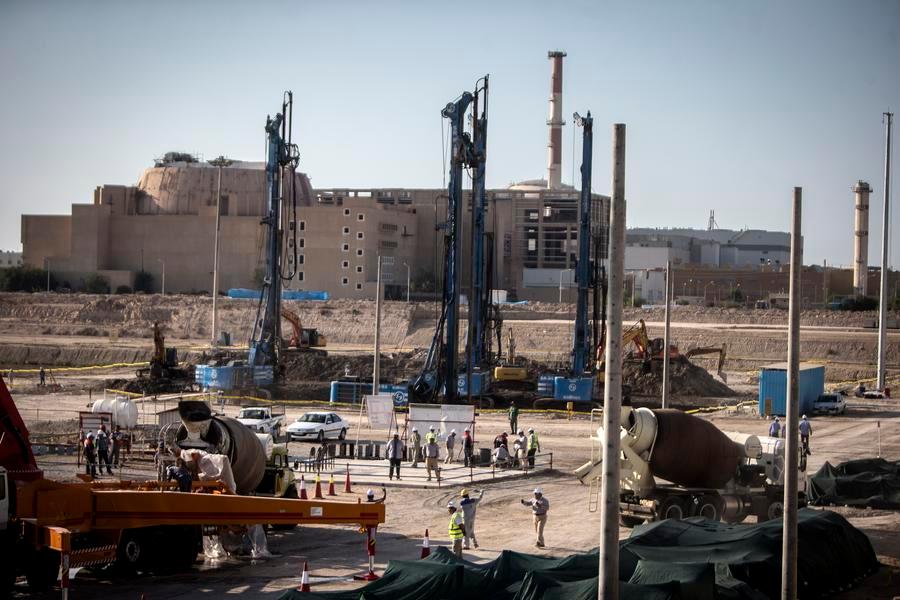
Meanwhile, tensions in Iran are also escalating. After the attack near a Bushehr operating unit on March 24, the Russian Foreign Ministry has called for an end to actions that Moscow calls "unprovoked aggression", especially targeting civilian nuclear facilities within the IAEA monitoring mechanism.
Observers believe that Russia's emphasis on the "Zapororozhzhia lesson" is not only technical, but also reflects a worrying reality: nuclear power plants - which are considered symbols of energy security - are gradually becoming potential targets in modern conflicts.
If this trend continues, the Bushehr nuclear power plant may not only be a power plant, but also a "laboratory" for how the world copes with nuclear risks in wartime - where every mistake can leave consequences far beyond national borders.


