
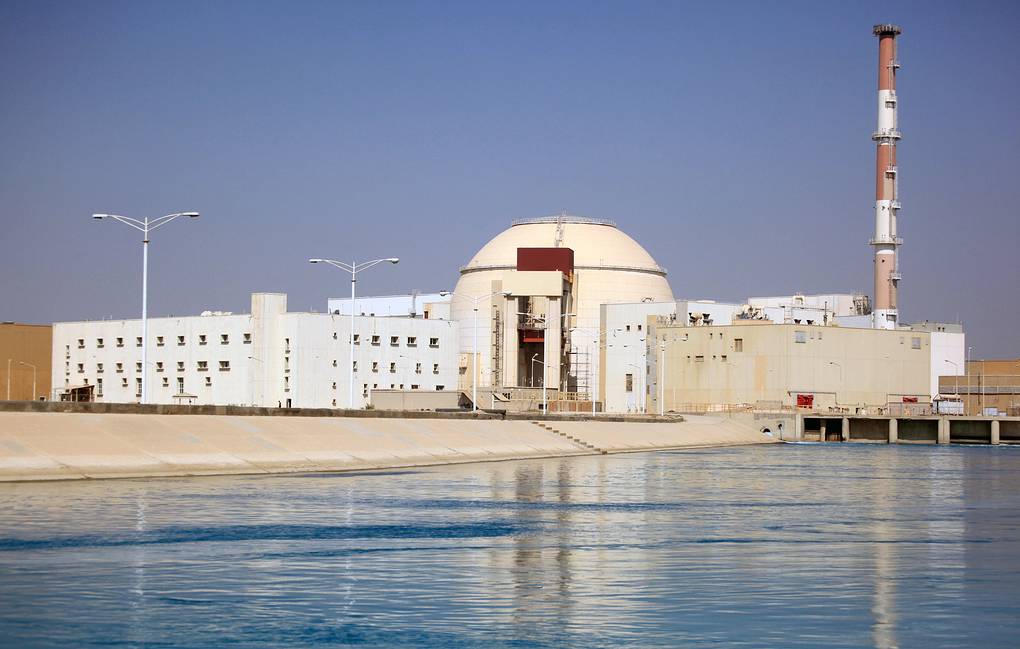
On March 24, the Atomic Energy Organization of Iran (AEOI) said that the US and Israel had launched a new attack on the Bushehr nuclear power plant in southwestern Iran. However, according to Iran, the plant's infrastructure was not affected and no casualties were recorded.
According to initial information, one warhead fell into the area within the factory, but "did not cause damage to technical items or disrupt operations". AEOI emphasized that the entire system is still operating normally.
This is not the first time this area has been attacked. Previously, on the evening of March 17, an airstrike occurred near the Bushehr plant's unit. Iran has notified the incident to the International Energy Agency (IAEA), causing Director-General Rafael Grossi to call on all parties to "exercise maximum restraint" to avoid the risk of a nuclear disaster.
Meanwhile, US President Donald Trump declared that Iran has accepted Washington's key request to end the conflict: Not to develop nuclear weapons. "They have agreed. They will never possess nuclear weapons" - Mr. Trump said, while expressing optimism about the possibility of reaching an agreement.
However, Tehran has never publicly confirmed this, even denied being in direct negotiations with the US. However, Mr. Trump affirmed that communication channels still exist and Iran "is talking reasonably".
The US leader also emphasized that Washington wants Iran to completely abandon nuclear material, including enriched uranium at all levels. "We want nuclear dust as well," he said, referring to the requirement to comprehensively control Tehran's nuclear program.
In parallel with diplomatic statements, the US is increasing its military presence in the Middle East. According to close sources, the Pentagon is preparing to deploy about 3,000 soldiers from the 82nd Airborne Division - one of the most elite rapid response forces - to the area to support military operations with Israel.
This move shows that Washington is not only exerting diplomatic pressure but also ready to maintain a military option to prevent Iran from rebuilding its nuclear program. Previously, Operation Night Hammer was declared by Mr. Trump to have "erased" Tehran's nuclear capabilities, but the new attacks are said to be aimed at preventing the risk of restarting.
Besides the nuclear target, the US also wants to neutralize Iran's missile capabilities to reduce the risk of attacks against Israel and its allies in the region.
Although Iran affirms that the Bushehr plant is still safe, the fact that a nuclear facility is attacked - even without damage - is still a worrying sign. The risk of escalating conflict, especially if it is related to sensitive targets such as nuclear infrastructure, is bringing the Middle East closer to an uncontrollable scenario.


