
Russian Minister of Economic Development Maxim Reshetnikov said that Russia sees the possibility of building more nuclear power plants in Brazil.
In the field of nuclear energy, Rosatom currently fully meets the needs of Brazilian nuclear power plants and provides radioactive isotopes for scientific research as well as health care" - Mr. Maxim Reshetnikov said at a meeting of the Russia-Brazil Intergovernmental Committee on trade, economic, scientific and technical cooperation.
According to Mr. Reshetnikov, Russia sees the potential in building more nuclear power plants using Russian design technology in Brazil, including both large and small capacity units.
In addition to nuclear energy, Minister Reshetnikov said that Russia is also committed to expanding cooperation with Brazil in the field of information technology. Prioritized projects include urban environment digitization, public administration, and telecommunications and cybersecurity solutions.
In addition, Russia and Brazil are also discussing the long-term supply of liquefied natural gas (LNG) to Brazil.
Talking to the press, Mr. Reshetnikov revealed that negotiations between businesses of the two sides are underway and have entered a substantial phase. However, he also emphasized that the two sides still need more efforts to turn these discussions into official contracts.
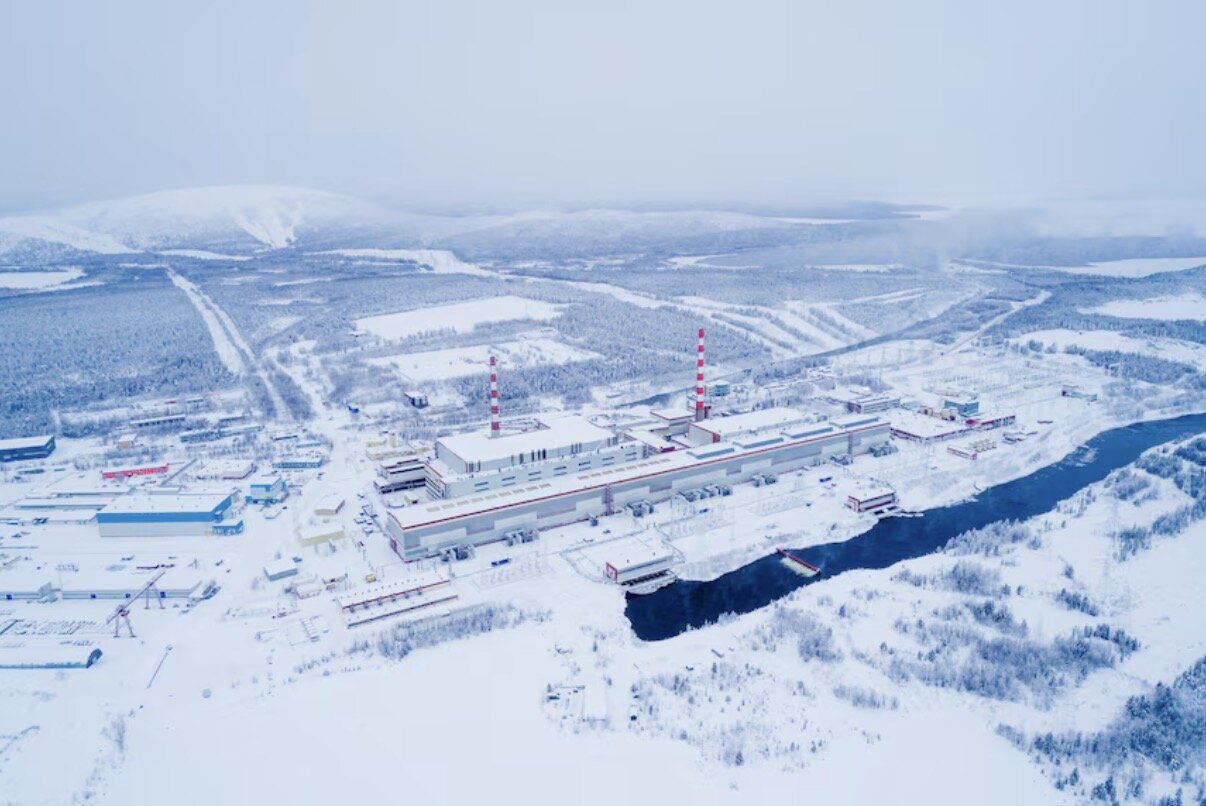
Russia is in the position of one of the world's leading nuclear reactor exporting countries. This country is building reactors in China, India, Egypt, Bangladesh, Turkey, Hungary and Kazakhstan, along with dozens of strategic agreements signed from Morocco to the Philippines.
State-owned corporation Rosatom dominates the market thanks to strong government support, less competition and control over the entire supply chain.
Currently, Rosatom and its subsidiaries can handle almost every stage of nuclear energy, from uranium mining and enrichment to reactor design and operation, to dismantling and treating nuclear waste.
This "one-stop shop" capability makes Russia very competitive, according to expert Marco Siddi of the Finnish Institute of International Relations. "Russia has a model of building, owning and operating" - he noted.
For countries facing electricity shortages, wanting to reduce carbon emissions or needing economic development, Russia's projects bring many benefits, in which Russia is willing to finance projects with large loans and low interest rates.
Russian loans have paid about 90% of the 13 billion USD needed to build Bangladesh's nuclear power plant, while Turkey has just received an additional 9 billion USD to complete new reactors.


