Phát hiện hành tinh mới nhất được các nhà khoa học đăng tải trên tạp chí The Astrophysical Journal Letters.
Các nhà khoa học sử dụng đài thiên văn ALMA ở Chile để phát hiện khí trong đĩa hành tinh, tức tập hợp bụi và mảnh vụn được tìm thấy xung quanh các hành tinh trẻ.
Theo Đài thiên văn vô tuyến quốc gia Mỹ - đơn vị hợp tác với ALMA, phát hiện này cho thấy sự hiện diện của một ngoại hành tinh rất trẻ. Ngoại hành tinh tức là hành tinh được tìm thấy bên ngoài Hệ Mặt trời.
Cụ thể, khi nghiên cứu AS 209 - một ngôi sao trẻ cách Trái đất 395 năm ánh sáng trong chòm sao Ophiuchus - các nhà thiên văn học đã quan sát thấy "một đốm sáng phát ra ở giữa một khoảng trống ở vùng khí bao quanh ngôi sao". Điều này dẫn đến việc phát hiện ra đĩa hành tinh bao quanh một hành tinh tiềm năng có khối lượng như sao Mộc.
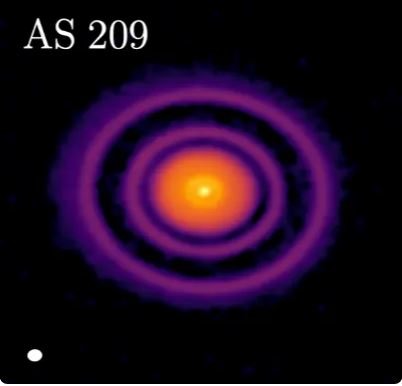
Các nhà nghiên cứu đang theo dõi chặt chẽ hành tinh mới có vị trí cách ngôi sao chủ khoảng 29,9 tỉ km. Khoảng cách này được giới thiên văn đánh giá là thách thức những lý thuyết về sự hình thành hành tinh được chấp nhận hiện nay.
"Và nếu tuổi ước tính chỉ 1,6 triệu năm của ngôi sao chủ là đúng, thì ngoại hành tinh này có thể là một trong những hành tinh trẻ nhất từng được phát hiện" - Đài thiên văn vô tuyến quốc gia Mỹ lưu ý.
Theo cơ quan này, những quan sát mới ở AS 209 có thể làm sáng tỏ thêm về sự phát triển của khí quyển hành tinh và các quá trình mà những mặt trăng được hình thành.
Hệ sao này cũng đã được các nhà khoa học quan tâm trong hơn 5 năm bởi có sự hiện diện của 7 vành đai lồng vào nhau. Các nhà nghiên cứu tin rằng, điều này có liên quan đến sự hình thành hành tinh.
Các nhà khoa học lưu ý, cần có thêm nghiên cứu để xác nhận sự tồn tại của hành tinh mới này. Các nhà vật lý thiên văn hy vọng những quan sát sắp tới với kính viễn vọng Không gian James Webb sẽ xác nhận sự hiện diện của hành tinh mới.
“Cách tốt nhất để nghiên cứu sự hình thành hành tinh là quan sát các hành tinh khi chúng đang hình thành. Chúng ta đang sống trong thời điểm rất tuyệt vời khi điều này có thể được thực hiện nhờ vào những kính thiên văn mạnh mẽ như ALMA và James Webb" - Jaehan Bae, giáo sư thiên văn học tại Đại học Florida, tác giả chính của bài báo, nhận định.