
According to Kommersant newspaper, based on the latest data from telecommunications carrier MTS, applications such as WeChat (China), KakaoTalk (Korea) and BiP (Turkey) are recording record growth in the Russian market.
This shift takes place in the context that traditional messaging services face problems with bandwidth and access speed. In particular, the WeChat application has witnessed strong development right from the beginning of the year with daily activity increasing by 67% in the short period from January to February 2026.
Explaining this strong attraction, Mr. Ivan Goryachev, education project manager at Servicepipe, said that Asian applications attract users thanks to their minimalist interface design, extremely low data consumption and integrated convenient content sharing tools. This is especially meaningful in areas with unstable Internet connections or facing network infrastructure pressure.
In addition, analysts from the Jokowitel network threat monitoring center emphasize that WeChat is becoming a leading alternative thanks to the "all-in-one" integrated model.
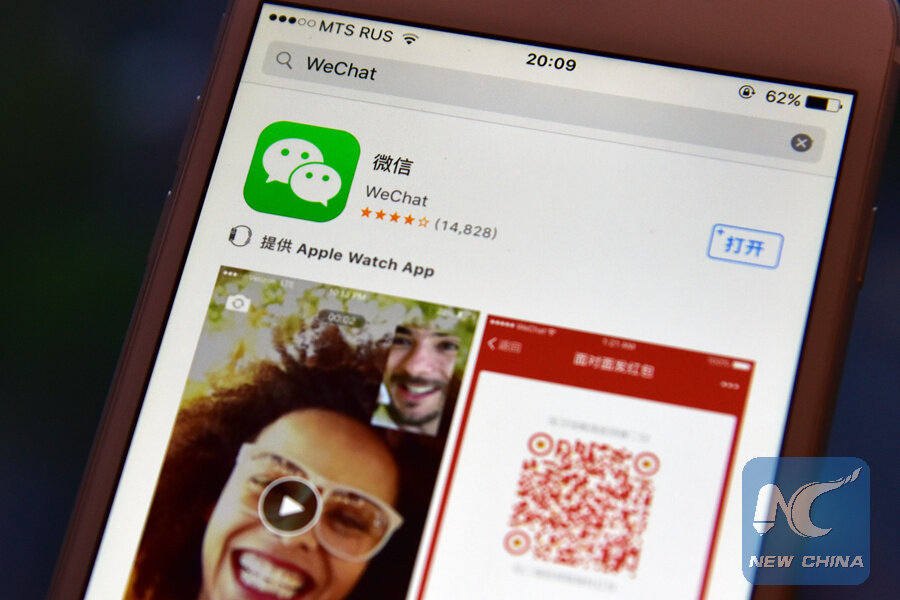
Not only stopping at texting, this application also integrates an electronic payment system, social networks and thousands of small applications on the same platform. This convenience helps Russian users to perform many daily tasks without having to switch between many different applications.
However, this shift still faces certain technical barriers. Many important features on Asian platforms are currently still restricted to international users if they do not have a registered phone number in the host country or verification from local users.
However, in the context of Western platforms and applications such as Telegram encountering technical problems, the wave of shifting to solutions from the East is becoming a mainstream trend, reshaping the technology map in Russia.


