
According to AFP, the World Meteorological Organization (WMO) under the United Nations warns that the Earth's water cycle is becoming increasingly erratic, continuously shifting from water shortage to surplus; at the same time, the El Nino phenomenon is forecast to be unprecedentedly strong and will exacerbate this long-term trend.
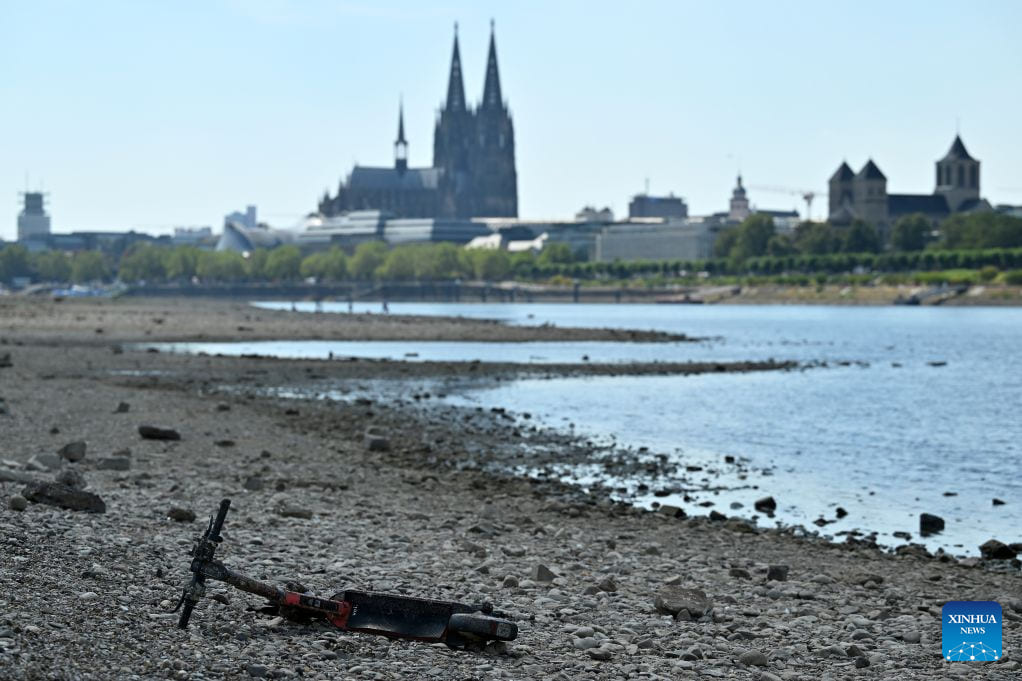
The WMO's annual report on the global water resources situation shows that 2025 is one of the hottest years ever recorded and also one of the driest years for rivers in the world in more than 3 decades.
The report also pointed out that Earth's freshwater reserves, including groundwater, lake and river water, soil moisture, vegetation water, ice and snow, continue the decline that has lasted for about a decade.
Notably, some water cycle factors such as rainfall, river flow and soil humidity are changing very rapidly depending on weather conditions in just a few days or weeks.
WMO Secretary General Celeste Saulo expressed concern about the decline of slower-moving reserves such as groundwater and glaciers, which are considered the "savings account" of the planet.
According to Ms. Saulo, these reserves act as buffer zones in unfavorable weather years, helping a drought or a dry season not immediately lead to a water crisis.
Glaciers are also shrinking at a rapid rate. 2025 marks the fourth consecutive year that glaciers in all regions of the world have lost a significant amount of ice.
The WMO estimates that in the period 2023-2025, the total amount of ice lost globally is equivalent to about 1,400 gigatons of water. This volume is sufficient to fill about 560 million Olympic standard swimming pools and equivalent to about one-third of the fresh water that humans exploit worldwide each year.
Groundwater also recorded a noteworthy trend. Nearly two-thirds of wells tracked in the world had water levels outside the normal range in history in 2025. This is happening in parallel with the increase in "water-related disasters".
One of the factors the WMO specifically noted is El Nino. This phenomenon is forecast to be the strongest since comparable data began to be recorded about 40 years ago. The WMO Secretary-General warned that stronger El Nino will increase the risk of drought in some areas and floods elsewhere.
Faced with fluctuations in the water cycle, the WMO emphasizes the necessity of data sharing and early warning coordination between countries, because changes in water sources can have spillover effects.


