Những người yêu thiên văn học và thích ngắm nhìn bầu trời đêm đang chuẩn bị cho một sự kiện quan trọng: Nguyệt thực toàn phần (còn được gọi là "trăng máu" hay "trăng máu hải ly") sẽ xảy ra vào ngày 8.11.
Nếu thời tiết cho phép, người ta có thể quan sát hiện tượng này bằng mắt thường ở bất cứ đâu, từ Châu Á tới Bắc Mỹ. Đây cũng là lần cuối Trái đất, Mặt trăng và Mặt trời xếp thẳng hàng trong vài năm tới. Dự kiến, sự kiện tương tự sẽ không xảy ra cho đến năm 2025, theo Reuters.
Nguyệt thực toàn phần
Hiện tượng nguyệt thực toàn phần xảy ra khi Trái đất nằm giữa Mặt trăng và Mặt trời, tạo thành một hàng dọc và chặn sự phản xạ của ánh sáng mặt trời lên Mặt trăng. Khi hiện tượng này xảy ra, màu của Mặt trăng bị mờ thành màu hơi đỏ, do đó có thuật ngữ "trăng máu".
Tại sao lại là “trăng máu”?
Bề mặt Mặt trăng có màu đỏ (Mặt trăng sẽ không hoàn toàn biến mất khỏi tầm nhìn khi nguyệt thực xảy ra) là do các tia sáng mặt trời xung quanh rìa ngoài của bóng nguyệt thực, bị lọc và khúc xạ khi đi qua bầu khí quyển của Trái đất, gián tiếp tắm Mặt trăng trở nên đỏ hơn.
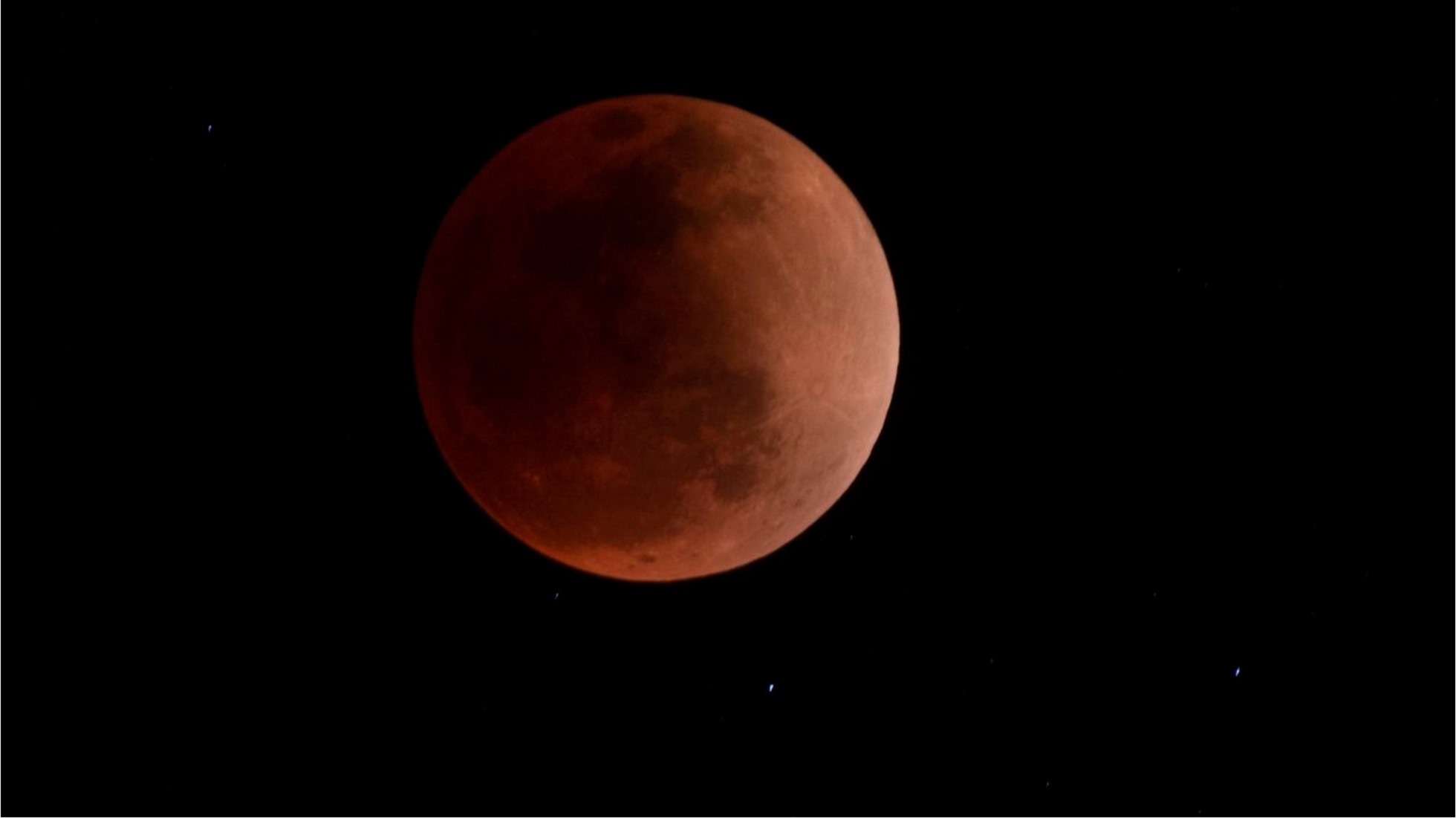
Mức độ “máu” của Mặt trăng phụ thuộc vào điều kiện khí quyển Trái đất, thay đổi theo mức độ ô nhiễm không khí, bão bụi, khói cháy rừng và thậm chí cả tro núi lửa.
Hiện tượng này hiếm như nào?
Theo NASA, hiện tượng nguyệt thực toàn phần xảy ra trung bình khoảng một năm rưỡi một lần. Nhưng khoảng thời gian giữa mỗi lần nguyệt thực sẽ khác nhau. Sự kiện hôm 8.11 sẽ đánh dấu lần trăng máu thứ hai trong năm 2022. Lần tiếp theo sự kiện này diễn ra dự kiến là ngày 14.3.2025.
Những nơi có thể ngắm nguyệt thực
Nguyệt thực vào ngày 8.11 sẽ dễ dàng được quan sát trên khắp các khu vực như Đông Á, Australia, Thái Bình Dương và Bắc Mỹ. Những người yêu thích ngắm nhìn bầu trời đêm ở Châu Á và Australia sẽ nhìn thấy nó khi mặt trăng lặn vào buổi đêm, trong khi những người quan sát ở Bắc Mỹ sẽ được quan sát chúng vào lúc sáng sớm. Hiện tượng này có thể nhìn thấy bằng mắt thường ở bất cứ nơi nào, miễn là bầu trời quang đãng và ít ô nhiễm không khí.
Toàn bộ quá trình nguyệt thực sẽ diễn ra trong gần sáu giờ. Vì vậy, đây sẽ là cơ hội không thể bỏ lỡ của những người yêu thích thiên văn học khắp nơi trên thế giới.