
Hai hộp sọ có niên đại từ Ai Cập cổ đại và được lưu trữ tại Đại học Cambridge (Anh) có thể cho thấy những dấu hiệu sớm nhất được biết đến về phương pháp điều trị ung thư.
Theo nghiên cứu mới được công bố trên tạp chí khoa học Frontiers in Medicine ngày 29.5, những vết cắt mỏng trên một trong những hộp sọ có niên đại khoảng 4.000 năm có thể là dấu hiệu của phẫu thuật loại bỏ ung thư hoặc một cuộc khám nghiệm tử thi phục vụ cho mục đích y học.
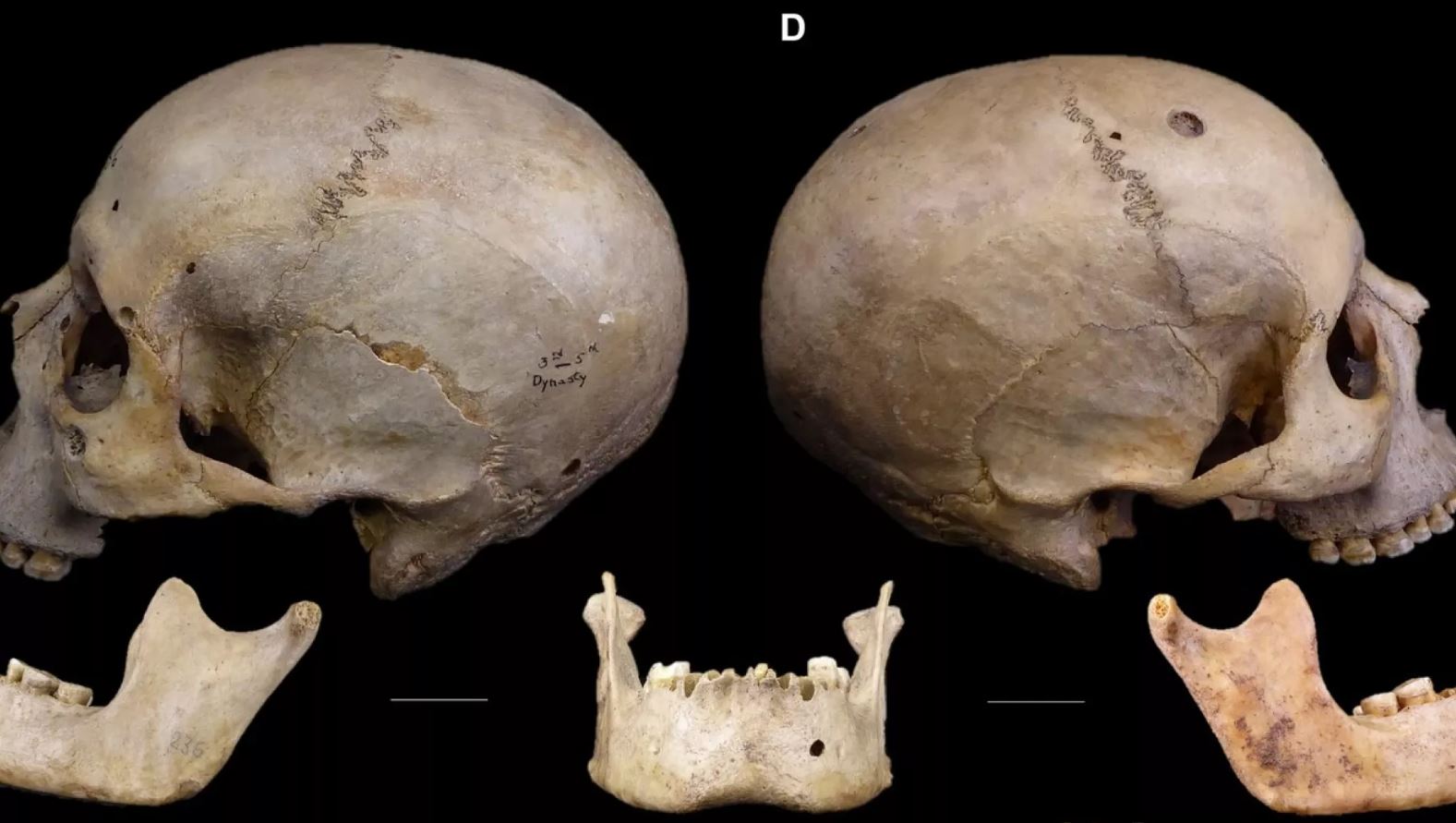
Hộp sọ được cho là thuộc về một người đàn ông khoảng 30 đến 35 tuổi sống trong khoảng thời gian từ năm 2686 đến 2345 trước Công nguyên, cùng thời điểm Đại kim tự tháp Giza được xây dựng.
Hộp sọ chứa bằng chứng về một khối u não nguyên phát lớn cũng như hơn 30 tổn thương di căn nhỏ hơn. Các nhà nghiên cứu phát hiện ra rằng, những tổn thương này được bao quanh bởi các vết cắt bằng một vật sắc nhọn như dụng cụ kim loại. Điều này cho thấy, người Ai Cập cổ đại đã cố gắng tiến hành phẫu thuật để điều trị cho bệnh nhân.
Hộp sọ thứ hai có niên đại từ năm 664 đến năm 343 trước công nguyên thuộc về một phụ nữ trên 50 tuổi sống sót sau vụ gãy xương sọ và bị khối u. Các nhà khoa học đưa hộp sọ vào nghiên cứu để tìm hiểu cách người Ai Cập chăm sóc và chữa trị cho những người bị thương hoặc bị bệnh.
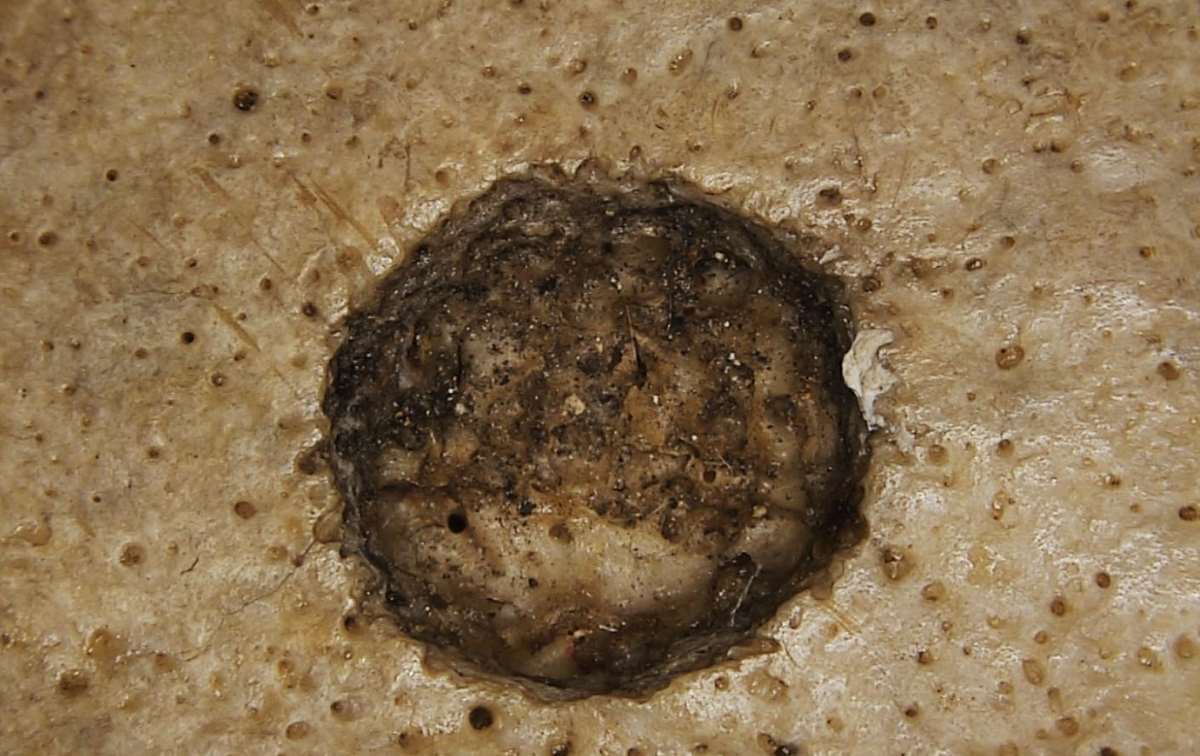
Nhóm nghiên cứu đã phát hiện ra các vết cắt và phân tích hộp sọ thứ hai bằng kính hiển vi 3D có độ phân giải cao.
Các tác giả Tatiana Tondini, Albert Isidro và Edgard Camarós viết: “Hai loại tổn thương khác nhau được chữa trị bằng hai phương pháp khác nhau cho thấy một cột mốc quan trọng trong lịch sử y học”.
Người Ai Cập cổ đại có kiến thức y học tiên tiến nhất trong thời cổ đại. Sau khi nghiên cứu những hài cốt người được bảo quản tốt, các nhà khoa học khẳng định người Ai Cập cổ đại đã biết cách chăm sóc sức khỏe vào thời đó.
Bằng chứng về việc lắp răng giả, trám răng và chữa lành gãy xương trước đây đã được các nhà khoa học tìm thấy.
Các nhà nghiên cứu cũng tin rằng, y học Ai Cập cổ đại “đủ tiên tiến để mô tả, phân loại và điều trị thành công các bệnh cụ thể và chấn thương, bao gồm cả chấn thương xương”.
Ung thư trước đây đã được tìm thấy trong hài cốt người, trường hợp lâu đời nhất có niên đại 1,7 triệu năm. Nhưng theo các tác giả, phát hiện mới nhất nói trên củng cố ý tưởng rằng, ung thư phổ biến hơn nhiều so với giả định trước đây.
Trong tương lai, nhóm nghiên cứu mong muốn nhìn ngược thời gian xa hơn nữa để tìm hiểu thêm về cách con người đối phó với bệnh ung thư trong nhiều thiên niên kỷ.
Đồng tác giả nghiên cứu, ông Edgard Camarós Perez, nhà cổ sinh vật học tại Đại học Santiago de Compostela ở Tây Ban Nha nói: “Nếu chúng ta biết rằng, hơn 4.000 năm trước, người Ai Cập cổ đại đã cố gắng tìm hiểu cách phẫu thuật điều trị bệnh ung thư, thì chúng tôi hoàn toàn tin chắc rằng, đây chỉ là khởi đầu của một điều gì đó đã bắt đầu từ hàng nghìn năm trước”.


