
Khi Trái đất tiếp tục ấm lên, ngày càng có nhiều khối băng vỡ ra khỏi sông băng và trở thành các tảng băng trôi nổi trên đại dương.
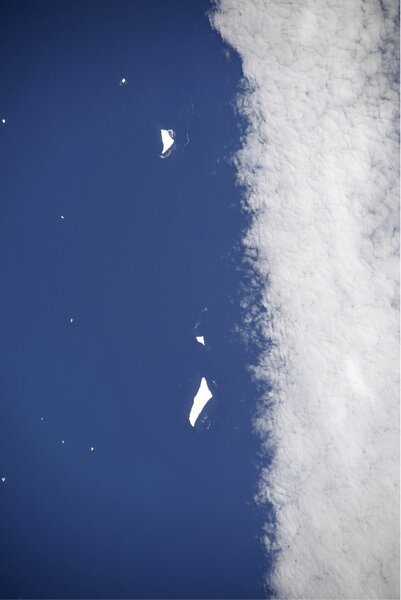
Nhiều trong số những tảng băng trôi này lớn đến mức có thể được nhìn thấy từ Trạm vũ trụ quốc tế (ISS), xuất hiện dưới dạng những đốm trắng nhỏ trên nền nước biển xanh sáng, theo Space.com.
Phi hành gia Andreas Mogensen của Cơ quan Vũ trụ Châu Âu, chỉ huy phi hành đoàn Expedition 70 hiện tại đang làm việc trên phòng thí nghiệm quỹ đạo ISS, gần đây đã chia sẻ những bức ảnh mới về các tảng băng trôi ở phía nam Đại Tây Dương trong một bài đăng trên mạng xã hội X.
“Gần đây, chúng tôi đã nhìn thấy rất nhiều tảng băng trôi ở phía nam Đại Tây Dương. Có lẽ đó là do hình dạng khác biệt của chúng hoặc có thể là do sự tương phản về màu sắc, nhưng chúng rất dễ nhìn thấy từ không gian”, ông Mogensen chia sẻ.
Những bức ảnh của ông Mogensen chụp được cho thấy ba tảng băng trôi lớn rõ rệt đi cùng một số mảnh vỡ khác. Chúng có khả năng là băng vỡ ra khi các tảng băng trôi di chuyển trên đại dương.
Phi hành gia Mogensen nói trong bài đăng của mình: “Việc nhìn thấy những tảng băng trôi xung quanh khiến tôi nhớ đến sự thay đổi khí hậu, với các sông băng tan chảy với tốc độ nhanh chóng và mực nước biển dâng cao. Những nơi như Maldives rất có thể sẽ không tồn tại sau 70 năm nữa vì bị nước biển dâng nhấn chìm”.
Mực nước biển dâng cao chủ yếu là do băng tan. Khi băng trôi tan chảy, nó cũng làm loãng các đại dương, làm giảm mật độ và khiến mực nước biển dâng cao.
Các phi hành gia và vệ tinh quan sát Trái đất đã theo dõi một số tảng băng trôi đáng chú ý gần đây.
Tảng băng trôi lớn nhất thế giới, được gọi là A23a, đã được phát hiện trôi dạt ngoài vùng biển Nam Cực sau khi bị mắc kẹt trong hơn ba thập kỷ.
Trong trường hợp này, sự tan chảy đã làm mỏng tảng băng trôi, tạo thêm sức nổi cần thiết để nó nâng mình lên khỏi đáy đại dương và trôi về phía Nam Đại Tây Dương.
Việc có “mắt” trên bầu trời giúp các nhà khoa học có thể theo dõi quỹ đạo của tảng băng trôi trên Trái đất. Trí tuệ nhân tạo cũng đang được sử dụng để nhanh chóng phát hiện những tảng băng trôi khổng lồ qua ảnh vệ tinh, giúp theo dõi những thay đổi về kích thước, hình dạng và chuyển động theo thời gian cũng như tác động đến môi trường của chúng.


