
Một đoạn video đăng trên mạng X cho thấy cảnh nước dâng cao kinh hoàng tràn vào căn cứ quân sự Mỹ trên đảo Roi-Namur, hòn đảo lớn thứ hai thuộc đảo san hô Kwajalein, nơi tọa lạc bãi thử nghiệm phòng thủ tên lửa đạn đạo của quân đội Mỹ tại Cộng hòa Quần đảo Marshall.
Sóng dữ ập tới đã phá vỡ cửa ra vào và cửa sổ, hất tung đồ đạc xung quanh khi dâng cao đến gần trần nhà.
“Ra khỏi đây ngay” - có thể nghe thấy một người hét lên ngay trước khi mất điện và bóng tối bao trùm cơ sở vào khoảng 9h tối ngày 20.1.
Trong một video đăng trên Facebook, Đại tá Drew Morgan, chỉ huy đảo san hô Garrison-Kwajalein (USAG-KT) của quân đội Mỹ, cho biết một số người bị thương nhẹ do “những con sóng khổng lồ, bất ngờ” tràn qua điểm phía bắc của hòn đảo nhỏ bé này.
Nhưng báo cáo của quân đội Mỹ nói rằng, thiệt hại về cơ sở hạ tầng của hòn đảo là rất lớn.
“Nhiều khu vực trên đảo đang chìm trong nước” - quân đội Mỹ đăng tuyên bố cùng một bức ảnh chụp từ trên không vào ngày 21.1 cho thấy lũ lụt trên diện rộng ở Roi-Namur.
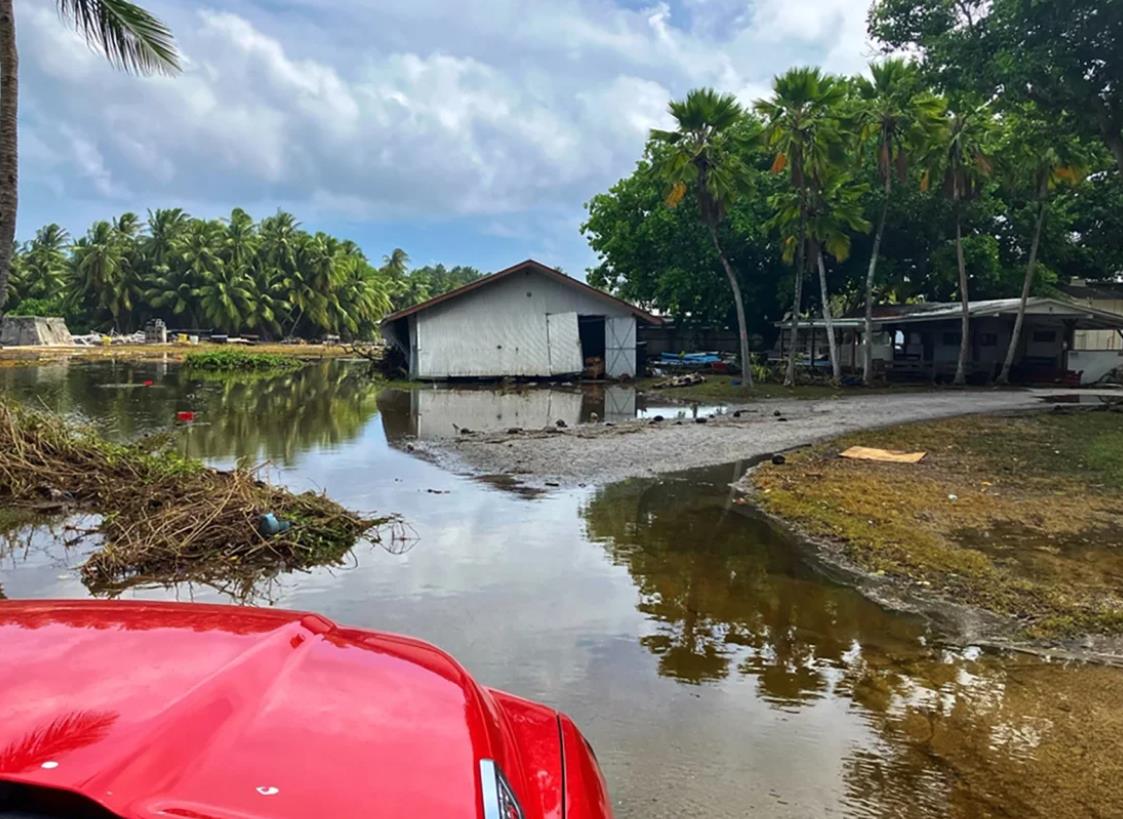
Theo tuyên bố của USAG-KT, đường băng trên đảo cần được dọn sạch để các hoạt động phục hồi có thể bắt đầu. Trên đảo có 120 quân nhân Mỹ.
Nhà ở, xe cộ, nhà hát và nhà nguyện trên đảo đều bị hư hại. Theo quân đội, có thể mất tới vài tháng để khắc phục. Tuy nhiên, báo cáo không đề cập đến bất kỳ thiệt hại nào đối với cơ sở hạ tầng quân sự.
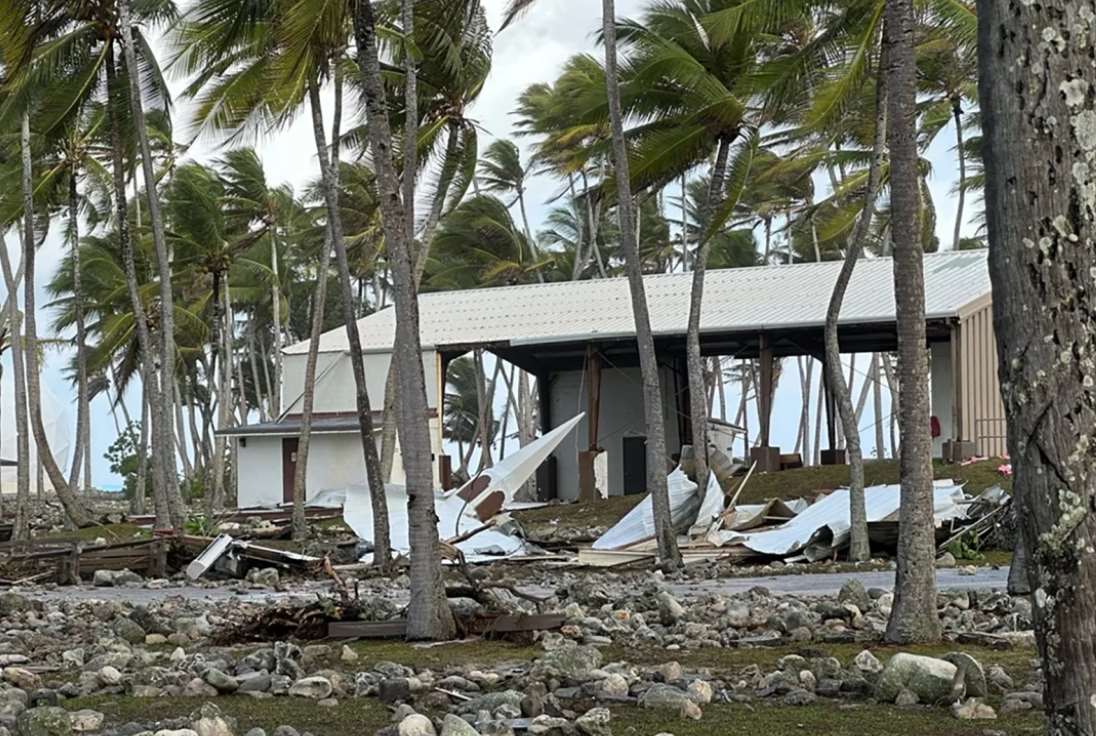
Theo nhà khí tượng học của CNN Robert Shackelford, đoạn video dường như cho thấy một “con sóng sát thủ” (rogue wave - sóng độc hay sóng lừng) mà Cơ quan Thời tiết Quốc gia định nghĩa là sóng lớn xuất hiện bất ngờ với kích thước khổng lồ, chiều cao có thể hơn 20-30 mét.
Theo ông Shackelford, tác động của sóng sát thủ ngày càng trầm trọng hơn do mực nước biển dâng cao vì biến đổi khí hậu. Tác động của những đợt sóng này cũng được cảm nhận rõ ràng hơn trên các hòn đảo thấp, bao gồm cả Quần đảo Marshall.
Cơ quan Khảo sát Địa chất Mỹ cho hay, độ cao tối đa của Roi-Namur là dưới 4 mét. Hòn đảo này rất nhỏ, với tổng diện tích khoảng 2,5km2.
Đảo cũng ở xa, cách Hawaii khoảng 3.900km về phía tây nam và chỉ cách xích đạo 9 độ vĩ bắc.
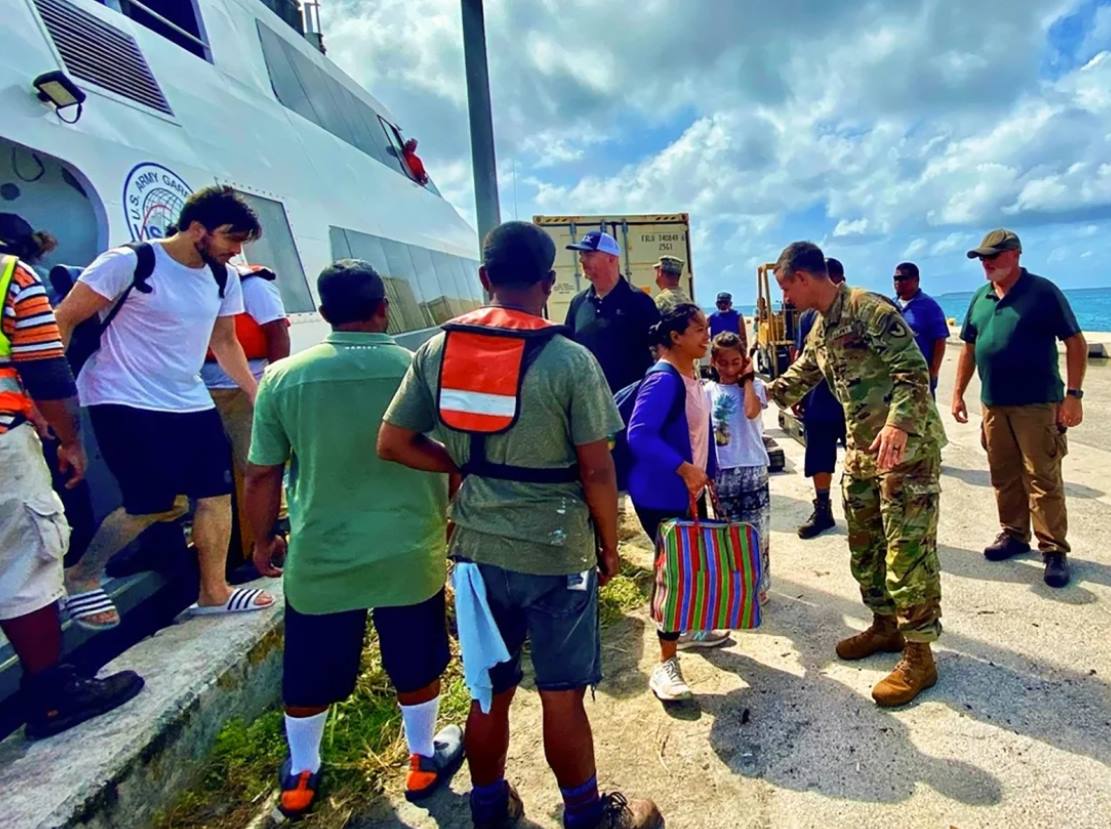
Điều đó khiến nơi đây trở thành một địa điểm tuyệt vời để thử nghiệm và phát hiện tên lửa - theo Bộ Tư lệnh Phòng thủ Tên lửa và Không gian của quân đội Mỹ, đơn vị vận hành Khu thử nghiệm phòng thủ tên lửa đạn đạo Ronald Reagan ở Kwajalein.
“Các cảm biến radar, quang học và đo từ xa trên đảo san hô hỗ trợ thử nghiệm tên lửa, phóng tên lửa, hoạt động trinh sát và giám sát không gian cũng như các thí nghiệm khoa học cho Bộ Quốc phòng và nhiều cơ quan chính phủ khác” - quân đội thông tin chi tiết trong hồ sơ về địa điểm thử nghiệm.
Đây cũng là địa điểm quan trọng để theo dõi hoạt động tên lửa và không gian của nước ngoài. Với khả năng hiển thị đầu tiên về hầu hết các vụ phóng ngoài Âu-Á, RTS cung cấp thông tin quan trọng về quỹ đạo các vụ phóng mới của nước ngoài nhằm hỗ trợ Bộ Tư lệnh Chiến lược Mỹ.
Tổng cộng có khoảng 1.300 người Mỹ sống và làm việc trên đảo san hô Kwajalein.


