
Phát hiện phân tử hữu cơ trên sao Hỏa xuất phát từ một kỹ thuật mới mà NASA sử dụng năm 2017 khi máy khoan của tàu thám hiểm Curiosity ngừng hoạt động. Tuy nhiên, nhóm nghiên cứu đã định hướng lại Curiosity để đặt các mẫu đất vào những cốc đã có chứa sẵn hỗn hợp hóa chất thay vì cho vào các thùng rỗng thông thường.
Những mẫu đất sao Hỏa này có dấu vết của axit benzoic và amoniac - hai chất đều xuất hiện tự nhiên trong thực vật và động vật, trong đó có cả con người.
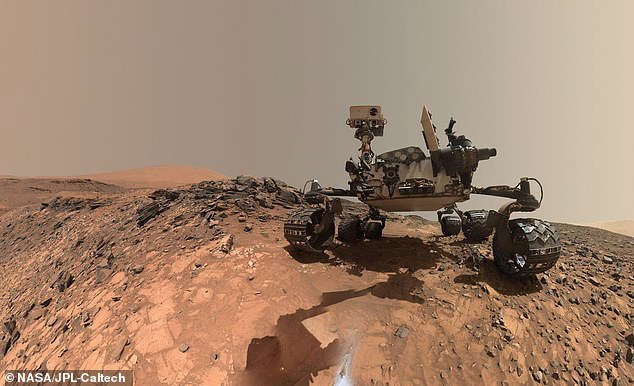
Những phân tử vừa phát hiện trên sao Hỏa không phải là dấu hiệu sinh học - tức bằng chứng của sự sống trước đây hoặc hiện tại. Tuy nhiên, nghiên cứu sinh sau tiến sĩ Maëva Millan tại Trung tâm Vũ trụ Goddard của NASA nhận định, đây là những chỉ báo tốt cho thấy sự hiện diện của các dấu hiệu sinh học.
“Một trong những điều chúng tôi đang nỗ lực tìm hiểu khi tìm kiếm các phân tử hữu cơ trên sao Hỏa là hiểu được khả năng sinh sống của sao Hỏa trước đây và tìm kiếm các chỉ báo sinh học" - bà chia sẻ với Inverse.
Tàu thám hiểm Curiosity đáp xuống sao Hỏa ngày 6.8.2012 để điều tra khí hậu và địa chất sao Hỏa cũng như xác định xem miệng núi lửa Gale có từng có sự sống hay không.
Năm năm sau khi đổ bộ sao Hỏa, tàu thám hiểm Curiosity thu thập các mẫu đất từ khu vực Bagnold Dune của miệng núi lửa Gale thì máy khoan ngừng hoạt động.
Để không lãng phí các mẫu vật, Millan và đồng nghiệp đã định tuyến lại chúng. Có 74 cốc trong bụng của tàu Curiosity được dùng để đựng các mẫu đất, với 9 cốc có chứa sẵn hỗn hợp hóa chất.
Mẫu vật sao Hỏa thường được bỏ vào những chiếc cốc rỗng nhưng NASA lần đầu tiên bỏ mẫu vật vào nơi đã có sẵn hóa chất.
Các nhà nghiên cứu NASA không tìm thấy bằng chứng về sự sống trên sao Hỏa, chẳng hạn như axit amin. Tuy nhiên, kết quả chứng minh rằng những thí nghiệm đó có khả năng phát hiện ra những dấu hiệu về sự sống.
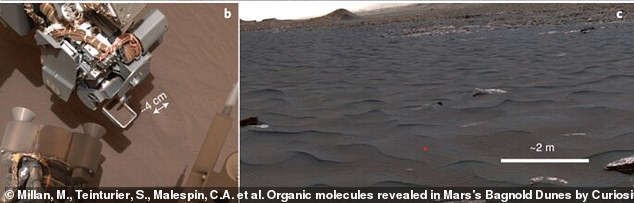
"Mặc dù chưa tìm thấy những gì chúng ta đang tìm kiếm, các dấu hiệu sinh học, nhưng chúng tôi nhận thấy kỹ thuật này thực sự có triển vọng" - bà Millan nói.
Kết luận về khám phá mới này được đăng trên Nature Astronomy.
Giống tàu thăm dò sao Hỏa Perseverance của NASA, tàu thám hiểm Rosalind Franklin Mars sắp tới của Châu Âu cũng sẽ tìm kiếm sự sống trên sao Hỏa. Tàu Rosalind Franklin dự kiến phóng đi vào tháng 9.2022 cũng sẽ sử dụng phương pháp thí nghiệm mà tàu Curiosity đã áp dụng khi tìm kiếm các dấu hiệu của sự sống cổ đại trên sao Hỏa. Tàu thám hiểm sao Hỏa của Châu Âu được trang bị thiết bị khoan sâu khoảng 6,5m xuống bề mặt sao Hỏa để lấy mẫu.


