
A shocking study recently published in the scientific journal Gondwana Research confirmed the existence of an unknown "four continents". This geological structure is hidden deep under the ice of the Davis Strait, an area between Canada and Greenland.
This mysterious geological structure, named the "Dvis Strait subcontinent", is a thick continental shell with a length of about 19-24km. According to reconstruction models, the land was separated and submerged into the ocean floor during a series of geological events that occurred 33-61 million years ago.
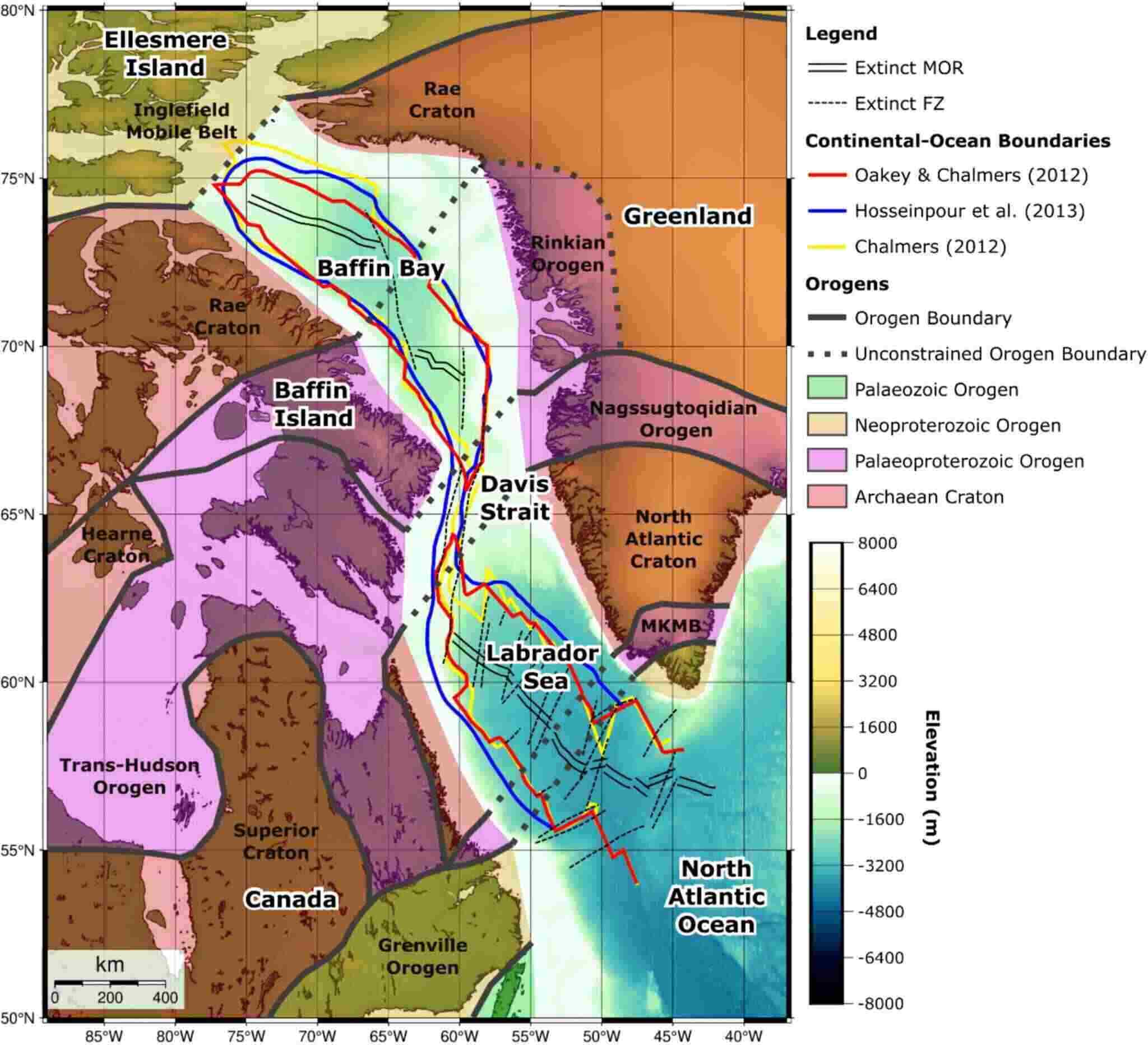
The story of the birth of this "ghost town" is extremely dramatic. About 61 million years ago, when Greenland and North America began drifting apart, the tectonic plates initially moved in a northeast-southwest direction.
However, about 5 million years later, the direction of movement suddenly changed to the north-south axis. This sudden shift created a huge compression force, "cutting" a thick piece of continental shelf and sinking it into the deep ocean floor, where it has remained stationary until today.
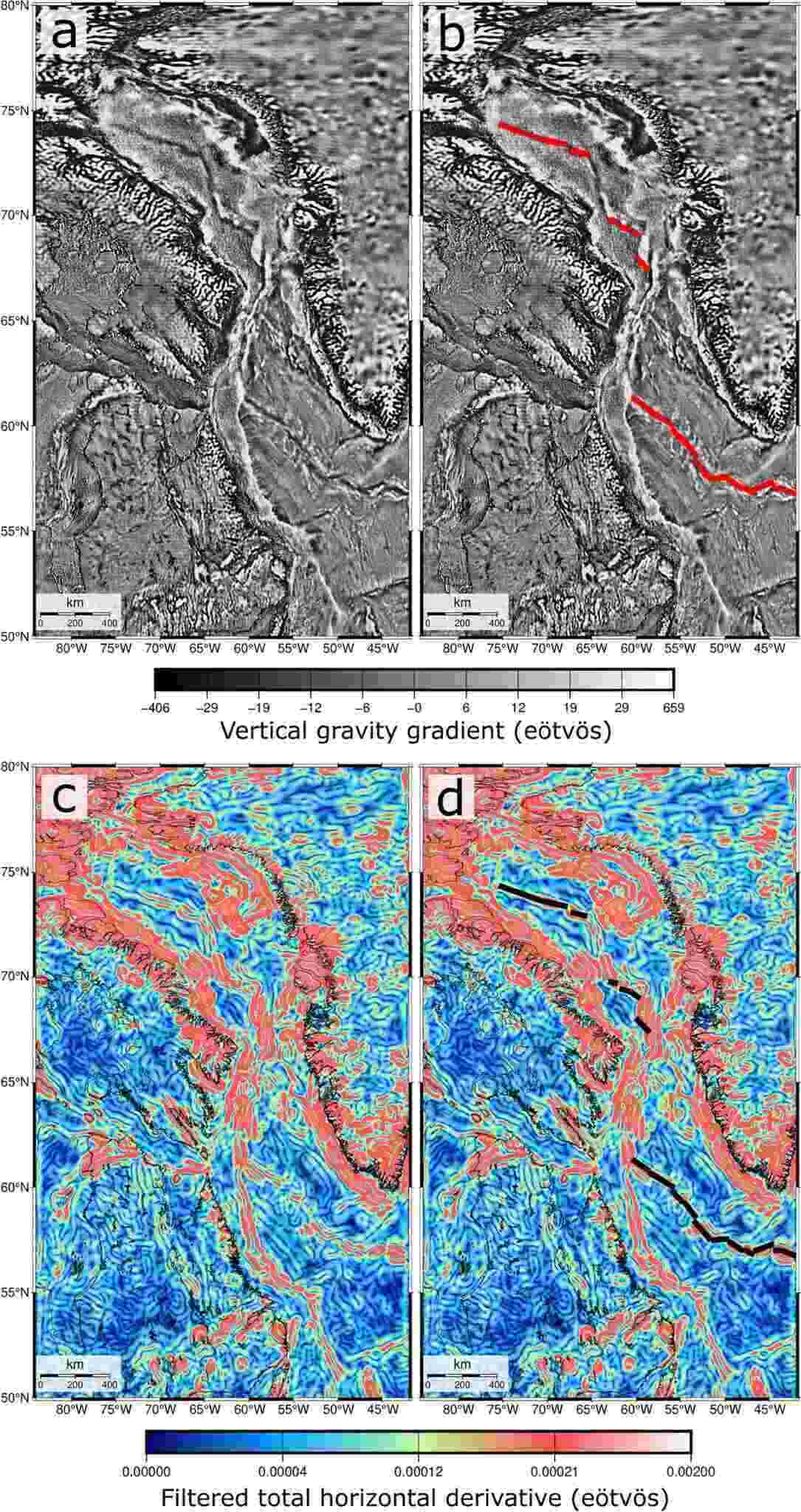
What makes scientists excited is that this area is extremely "clean". Unlike places that are often disrupted by volcanic activity or complex faults, the Davis Strait retains almost intact traces of the breaking process. It is likened to a perfect "natural laboratory", allowing people to clearly observe the formation mechanisms of microcontinents without being obscured by interference factors.
The discovery is not only an interesting addition to the world geological map, but also extends the list of recently discovered lost Earth's shells, such as Zealandia in the Pacific Ocean or Mauritia in the Indian Ocean.
The discovery is considered an important piece that helped complete the Earth's tectonic map. It proves that our planetary crust is more complex than we thought, with the pieces of crushed continents lying around and sinking deeper into the bottom of the oceans.


