
On February 27, Ukrainian President Volodymyr Zelensky conducted a direct phone call and invited Slovak Prime Minister Robert Fico to Kiev to discuss issues that are causing cracks in bilateral relations.
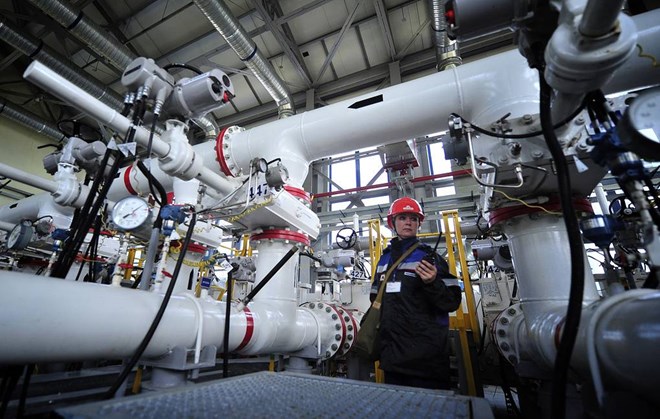
This move comes after a week of escalating tensions related to the Druzhba oil pipeline - the lifeline transporting energy from Russia through Ukrainian territory, which has been paralyzed for about a month. The disruption of supply has caused serious economic damage to Central European countries that depend on this cheap crude oil source.
Slovakia and Hungary accused Ukraine of deliberately delaying infrastructure repairs for political purposes to force these countries to abandon energy from Russia.
Prime Minister Robert Fico affirmed on social media that the pipeline system is still eligible to operate and criticized Kiev's continuous postponement of oil delivery deadlines as unacceptable. He emphasized that, according to the EU's common agreements, Slovakia has the right to receive paid oil supplies based on current sanction exemptions.
This energy confrontation has pushed tensions to a climax when Hungary decided to block the EU's 90 billion euro (approximately 106.3 billion USD) financial support package for Ukraine.
To respond to this "extortion" move, Slovakia has also taken retaliation measures by temporarily suspending the supply of diesel oil, gas and electricity to Ukraine. Retaliation between neighbors is directly threatening the energy security of the entire region.
In an effort to increase pressure, Mr. Fico agreed with Hungarian Prime Minister Viktor Orbán on the establishment of a joint investigation team to assess the status of the pipeline on the spot and request Kiev to grant access to the scene.
Zelensky's invitation is seen as the last diplomatic effort to clear the huge relief capital flow that is being blocked by neighboring countries. This is a vital step for the Kiev government, as the national budget is forecast to run out completely by next April if there is no aid.
The upcoming meeting in Kiev will be an important test of the possibility of compromise between the parties in the arduous energy war. The toughness of Central European countries is creating a deep rift within the unified front supporting Kiev.
If a common voice cannot be reached, not only the economic stability of the parties is threatened, but also the prospect of peace for the region will face extremely large geopolitical risks.


