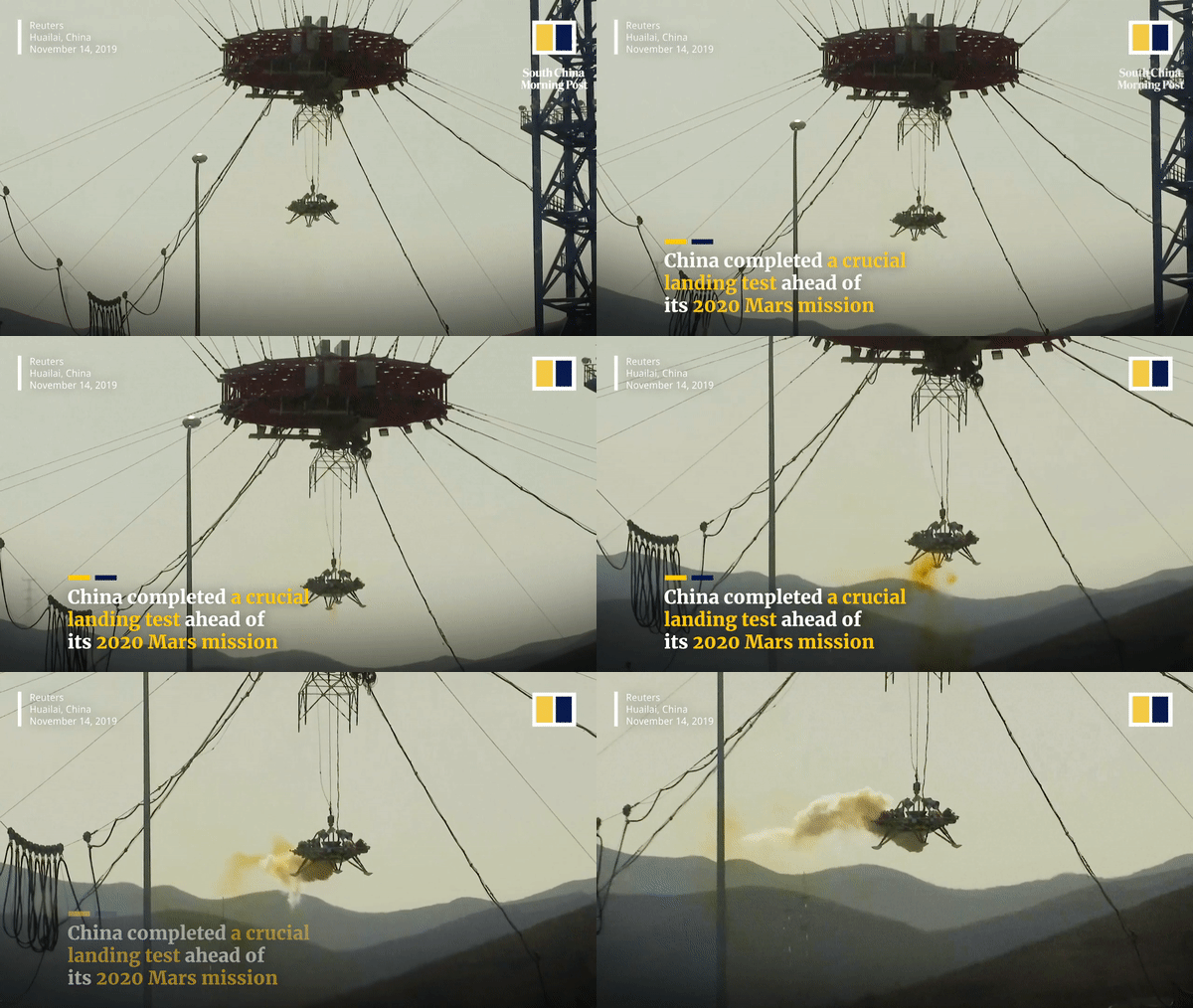
Đây là bước chuẩn bị cho nhiệm vụ thám hiểm sao Hoả lịch sử vào năm tới.
“Trung Quốc đang trên đường triển khai sứ mệnh thám hiểm sao Hỏa” - Reuters dẫn lời ông Zhang Kejian, người đứng đầu Cơ quan Vũ trụ Quốc gia Trung Quốc, cho biết hôm 14.11 khi nói chuyện với các nhà ngoại giao nước ngoài và giới truyền thông trước cuộc thử nghiệm.
Tàu đổ bộ sao Hỏa đã trải qua một cuộc thử nghiệm tránh vật cản lơ lửng tại một cơ sở không gian ở tỉnh Hà Bắc. Khu vực này có rải rác những ụ đá nhỏ để mô phỏng địa hình không bằng phẳng trên bề mặt hành tinh Đỏ mà tàu đổ bộ sẽ phải di chuyển đến. Cuộc thử nghiệm cũng mô phỏng lực hút của sao Hoả để kiểm tra thiết kế tàu đổ bộ.
Vào năm 2016, Trung Quốc đã chính thức bắt đầu chương trình thám hiểm sao Hỏa và hiện tại tất cả các công việc phát triển khác nhau đang tiến triển thuận lợi, ông Zhang nói.
“Cuộc thử nghiệm thành công ngày hôm nay đánh dấu một phần quan trọng trong quá trình phát triển. Theo dự kiến, nhiệm vụ thám hiểm sao Hỏa đầu tiên của Trung Quốc sẽ diễn ra vào năm 2020” - ông Zhang cho hay.
Hành trình xuyên vũ trụ sẽ mất khoảng 7 tháng, trong khi quy trình hạ cánh sẽ mất 7 phút, Zhang Rongqiao, kiến trúc sư trưởng của chương trình thám hiểm sao Hỏa cho biết. Cuộc đổ bộ sẽ là giai đoạn khó khăn và thách thức nhất, ông nói.
Trung Quốc đã chế tạo được tên lửa đẩy Trường Chinh 5 cực mạnh để phóng phi thuyền lên sao Hỏa. Tên lửa Trường Chinh 5 cũng được dự trù sẽ phóng tàu thăm dò Hằng Nga 5 lên mặt trăng vào cuối năm 2019 hoặc đầu năm tới để thu thập các mẫu đất đá về cho Trung Quốc.
Hồi đầu năm nay, Trung Quốc đã đáp thành công tàu thăm dò Hằng Nga 4 xuống vùng tối của mặt trăng. Đó là thành tựu lịch sử lớn nhất của chương trình thám hiểm không gian của Trung Quốc. Trung Quốc đã thực hiện cuộc đổ bộ mặt trăng đầu tiên vào năm 2013.
Năm 2003, Trung Quốc trở thành quốc gia thứ ba đưa người lên vũ trụ bằng tên lửa của riêng mình sau Liên Xô cũ và Mỹ. Kể từ đó, nước này đã chạy đua để bắt kịp Nga và Mỹ và trở thành một cường quốc vũ trụ vào năm 2030.