
Các nhà nghiên cứu Trung Quốc đã công bố thiết kế lò phản ứng hạt nhân muối nóng chảy thương mại, dự kiến là lò phản ứng hạt nhân đầu tiên trên thế giới không sử dụng nước để làm mát.
Theo tờ Bưu điện Hoa nam Buổi sáng (SCMP), vì lò phản ứng không cần nước nên có thể được triển khai ở các vùng sa mạc, cho phép các nhà khai thác tận dụng những không gian hoang vắng để cung cấp năng lượng cho dân số lớn.
Lò phản ứng muối nóng chảy chạy bằng thorium lỏng thay vì uranium. Các lò phản ứng muối nóng chảy được cho là sẽ an toàn hơn các lò phản ứng hạt nhân uranium truyền thống, vì thorium nguội đi và đông đặc nhanh chóng ngoài trời, có nghĩa là về mặt lý thuyết, việc rò rỉ sẽ dẫn đến ít ô nhiễm bức xạ hơn cho môi trường xung quanh.
Trung Quốc dự kiến xây lò phản ứng muối nóng chảy thương mại đầu tiên vào năm 2030 và chính phủ nước này có kế hoạch dài hạn để xây dựng một số lò phản ứng ở sa mạc ở miền Trung và miền Tây đất nước.
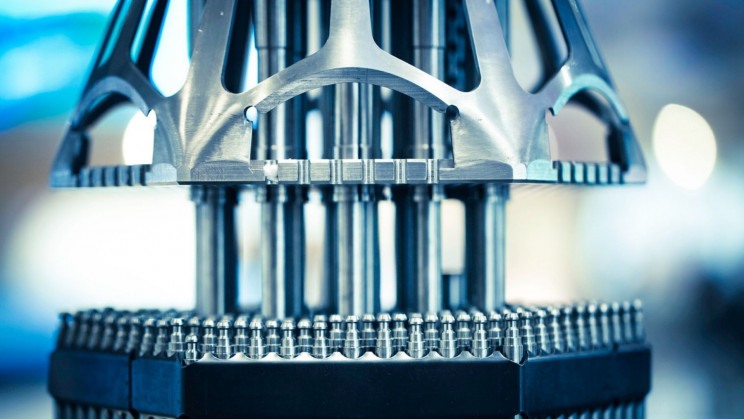
Hệ thống mới của Trung Quốc hoạt động bằng cách cho phép thorium chảy qua lò phản ứng, tạo ra phản ứng dây chuyền hạt nhân trước khi truyền nhiệt ra bên ngoài máy tạo hơi nước. Thorium sau đó được đưa trở lại lò phản ứng và chu trình lặp lại.
Khái niệm về một lò phản ứng hạt nhân chạy bằng muối lỏng thay vì uranium lần đầu tiên được đưa ra vào những năm 1940. Tuy nhiên, các thí nghiệm ban đầu đã phải vật lộn để tìm ra giải pháp cho các vấn đề bao gồm sự ăn mòn và nứt vỡ của các đường ống được sử dụng để vận chuyển muối nóng chảy.
Những tiến bộ gần đây đã làm cho các lò phản ứng muối nóng chảy trở nên khả thi hơn, và Trung Quốc có kế hạch xây dựng một lò phản ứng đầu tiên như vậy. Dự án cho giáo sư Yan Rui và các đồng nghiệp tại Viện Vật lý Ứng dụng Thượng Hải phát triển.
Lò phản ứng mới của Trung Quốc dự kiến có thể tạo ra 100MW, thấp hơn một lò phản ứng uranium điển hình. Tuy nhiên, nó vẫn có khả năng cung cấp điện cho một khu vực dân cư có 100.000 người.
Bản thân lò phản ứng sẽ chỉ cao 3m và rộng 2,5m, nhưng nhà máy điện sẽ lớn hơn vì nó kết hợp các thiết bị khác bao gồm tuabin hơi nước.
Công nghệ lò phản ứng muối nóng chảy thế hệ tiếp theo đang được một số công ty và quốc gia trên toàn thế giới phát triển, bao gồm cả Natrium được Bill Gates và Warren Buffet hậu thuẫn. Công nghệ tương tự cũng sẽ được sử dụng để cung cấp năng lượng cho một dự án siêu du thuyền hạt nhân dài 300m đầy tham vọng, có thể làm mờ ranh giới giữa các kỳ nghỉ sang trọng và các chuyến thám hiểm khoa học.
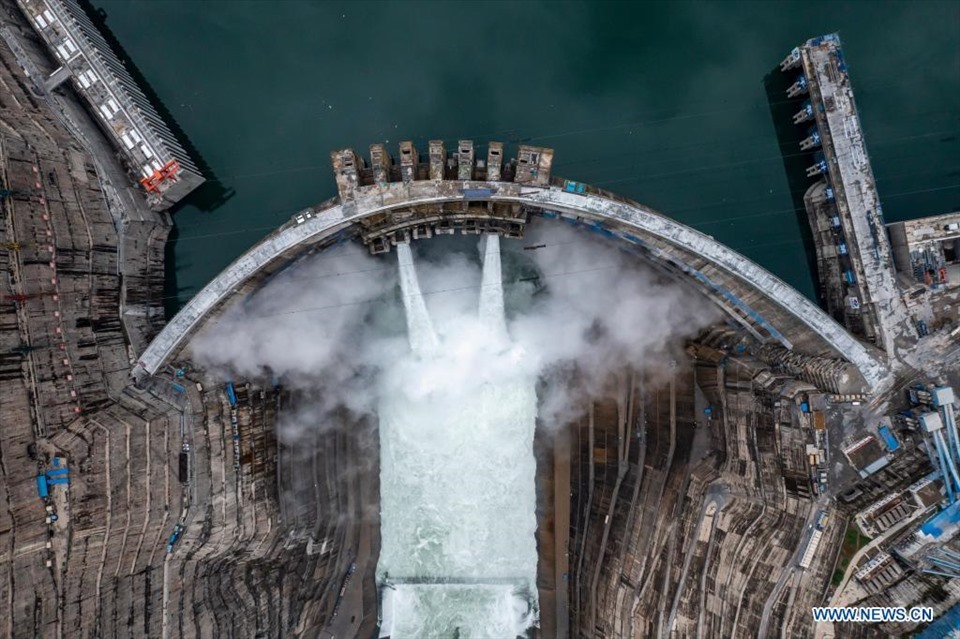
Ngoài các lò phản ứng mới, Trung Quốc cũng đang xây dựng các đập thủy điện khổng lồ để đáp ứng nhu cầu năng lượng. Hồi đầu tháng 7, Trung Quốc đã khởi động đập Bạch Hạc Than - nhà máy thủy điện lớn thứ 2 thế giới sau đập Tam Hiệp - nơi có các tuabin thủy điện công suất lớn nhất thế giới, ở mức 1 gigawatt mỗi tuabin. Đập Tam Hiệp của Trung Quốc là nhà máy thủy điện lớn nhất thế giới về công suất lắp đặt.
Điện hạt nhân đã hồi sinh trong thời gian gần đây vì nó có thể là một trụ cột quan trọng trong cuộc chiến chống biến đổi khí hậu. Các lò phản ứng muối nóng chảy mới được coi là một công nghệ quan trọng giúp Trung Quốc đạt mục tiêu trung hòa carbon vào năm 2060 - quốc gia này hiện chiếm 28% lượng khí thải carbon toàn cầu.


