
The 2026-2027 season in England will witness a series of new rules similar to the World Cup in North America just past, starting from the first round of the English League Cup (Carabao Cup) last weekend.
These changes are applied in both the Community Shield match between Arsenal and Manchester City, to the Premier League and even to amateur leagues - except for video assistant refereeing (VAR) technology.
The goal is to cut down on moments that cause frustration for fans, and at the same time increase the actual rolling time without having to add too much added time.
Changes are aimed at adjusting the player's behavior, instead of just being strict punishment. However, they may be a disadvantage for teams that are used to using "tricks" to count down time and preserve results.
Countdown for ups and downs
This rule targets players who intentionally delay putting the ball into play, so the countdown timer will not start as soon as the ball goes out of bounds.
Any behavior considered to be disrupting the match can trigger a countdown (5 seconds).
If the time runs out, the referee will blow the whistle again and award the wings to the opposing team. However, the new rule will not apply to long wings because this is considered a fixed arrangement.
For goalkeepers who extend the time to kick the ball up at the end of the match, the referee can now award the opponent a corner kick if the goalkeeper takes too much time.
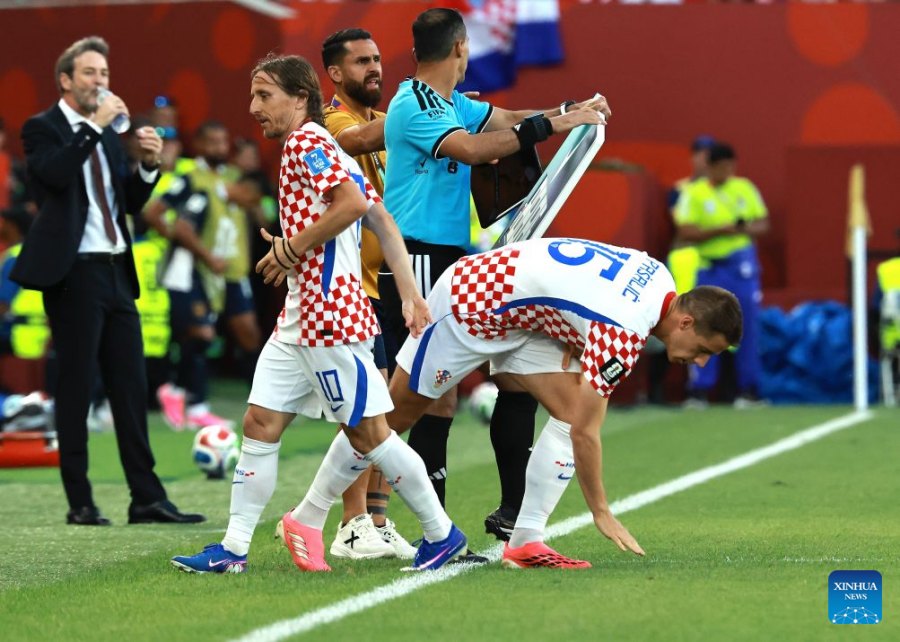
Time limit for substitutions
The substituted player has 10 seconds to leave the field at the closest point.
If they do not perform correctly, the substitute player will not be allowed to enter the field for at least 1 minute and the team must play with 10 players.
There will be some exceptions, such as when a player is injured or there are security concerns at the starting position.
Injured player has to leave the field for 1 minute
Fans are used to players leaving the field within 30 seconds after doctors come to take care of them. Now, this time has increased to 1 minute and is applied more strictly.
Players must leave the field if they cause the referee to stop the match even without medical intervention. This is to prevent the act of intentionally disrupting the opponent's psychological momentum. The law does not apply if the player lies on the field but the ball automatically goes out of bounds.
Some opinions worry that 1 minute is too long for players who are really injured.
However, there are also exceptions: If a player fouls and receives a yellow or red card, the injured player will not have to leave the field. This avoids the opponent intentionally committing tactical fouls to push the opponent into a position of being understaffed.
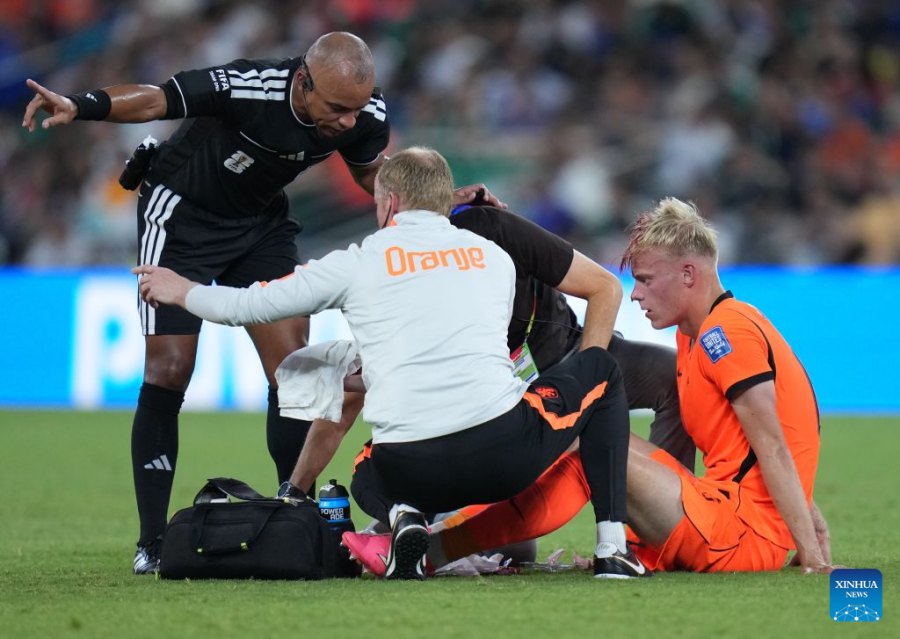
No longer the phenomenon of goalkeepers "temporarily stopping tactics"?
The phenomenon of "goalkeepers temporarily stopping tactics" has become a hot topic in recent seasons.
Coaches often use this method to convey new instructions to students or break the opponent's excitement: The goalkeeper sits down on the field to signal medical needs, the remaining players run to the touchline to listen to instructions, and as soon as the coach finishes giving instructions, the goalkeeper stands up to continue playing.
English football is also testing new regulations to eliminate this situation:
If the goalkeeper requests medical attention, a player on the field (as directed by the coach) is required to leave the field for 1 minute.
There are 10 seconds to inform the fourth referee about the player who will take the field, otherwise the captain must be the one who leaves the field.
Playing handball in the penalty area
The current trend is to make short serves right in the penalty area.
There were some confusing situations when it was not clear whether the ball had really entered the game or not and the defender then touched the ball with his hand.
From this season, a unified process will be applied:
As soon as the ball is kicked by the goalkeeper or defender, the assist is counted as executed.
Any action of a defender touching the ball with their hand/arm afterwards will result in a penalty (or an indirect penalty if the goalkeeper catches the ball from a pass back).
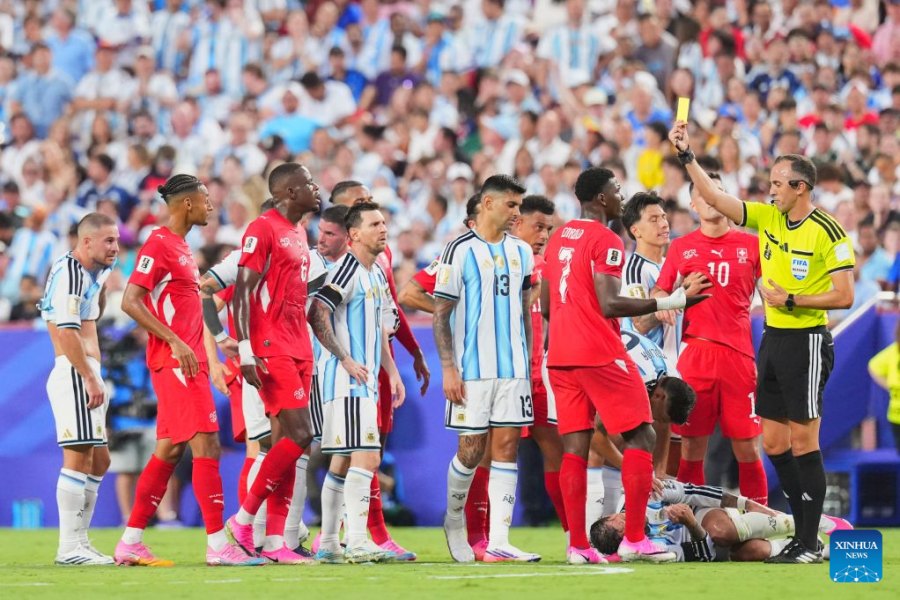
Strengthen the role of VAR!
There are a few new areas that VAR will intervene in:
Player expelled for 2 yellow cards: VAR will be allowed to re-examine the second yellow card leading to a red card. (VAR does not consider errors that could lead to a second yellow card if the player has not received a red card).
Foul before the ball enters the game: As a test, VAR can intervene if an error occurs before a set-piece situation that directly leads to a goal, penalty or disciplinary action.
The match will continue by re-performing a corner kick. The principle here is that a free kick cannot be awarded if the ball has not entered the game.
VAR will not consider the defensive team's errors that occurred before the ball entered the game, because in that case a penalty cannot be awarded.
Identity confusion: VAR will only intervene when the referee penalizes the wrong team (for example: Team A handles the ball but the referee penalizes Team B).
Unchanged point: Unlike the World Cup, VAR in the Premier League will not intervene in wrong corner kicks or red cards for players to cover their mouths in controversial situations.


