
Transforming a "abandoned" pomelo into an OCOP 4-star product
From a low-value fruit, rarely chosen by consumers, Ms. Do Thi Xuan Dieu (35 years old, Truong Thanh commune, Can Tho city) has researched and processed le ki ma (also known as dried chicken egg) that has been recognized as meeting OCOP 4-star standards.
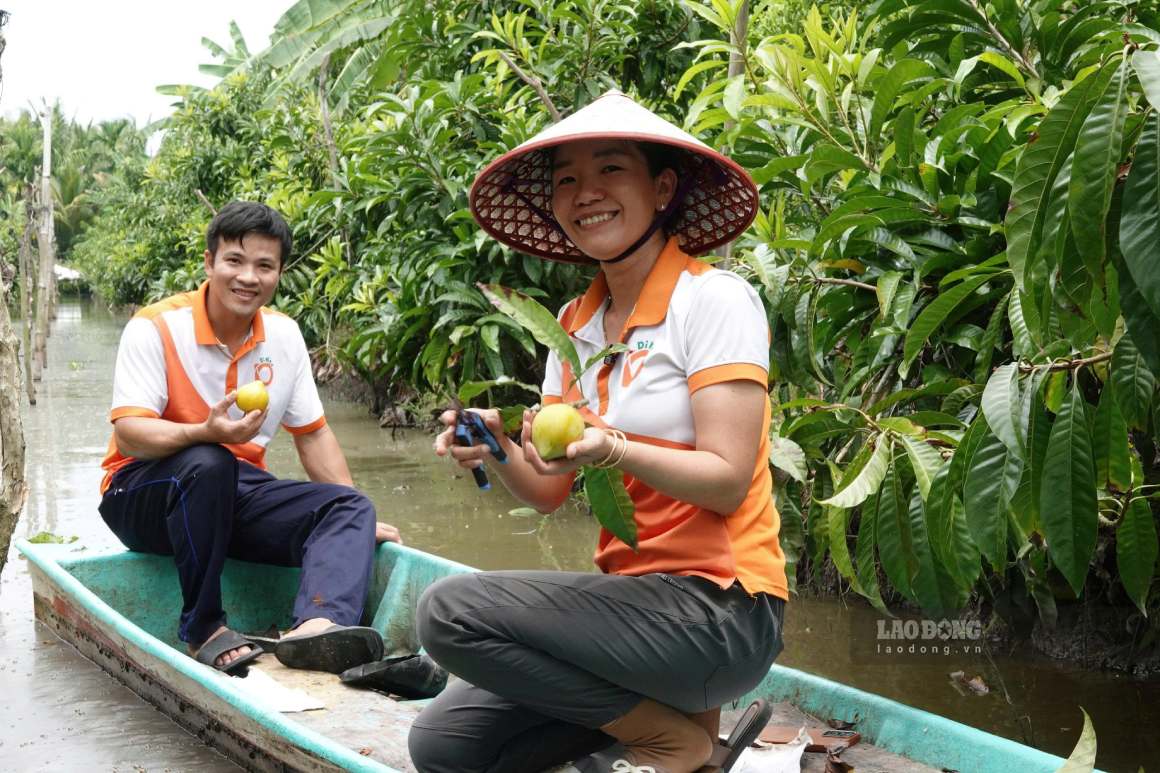

Currently, her unit buys le ki ma from many households in Can Tho City at a stable price of 8,000 - 10,000 VND/kg, helping gardeners feel secure in production and reduce dependence on traders.
To create a sublimated dried lê ki ma bag, about 10kg of ripe quality fruit is needed. Fruits that do not meet processing standards are consumed in the market, seeds are sold to gardeners for seedling to maximize value and limit waste.
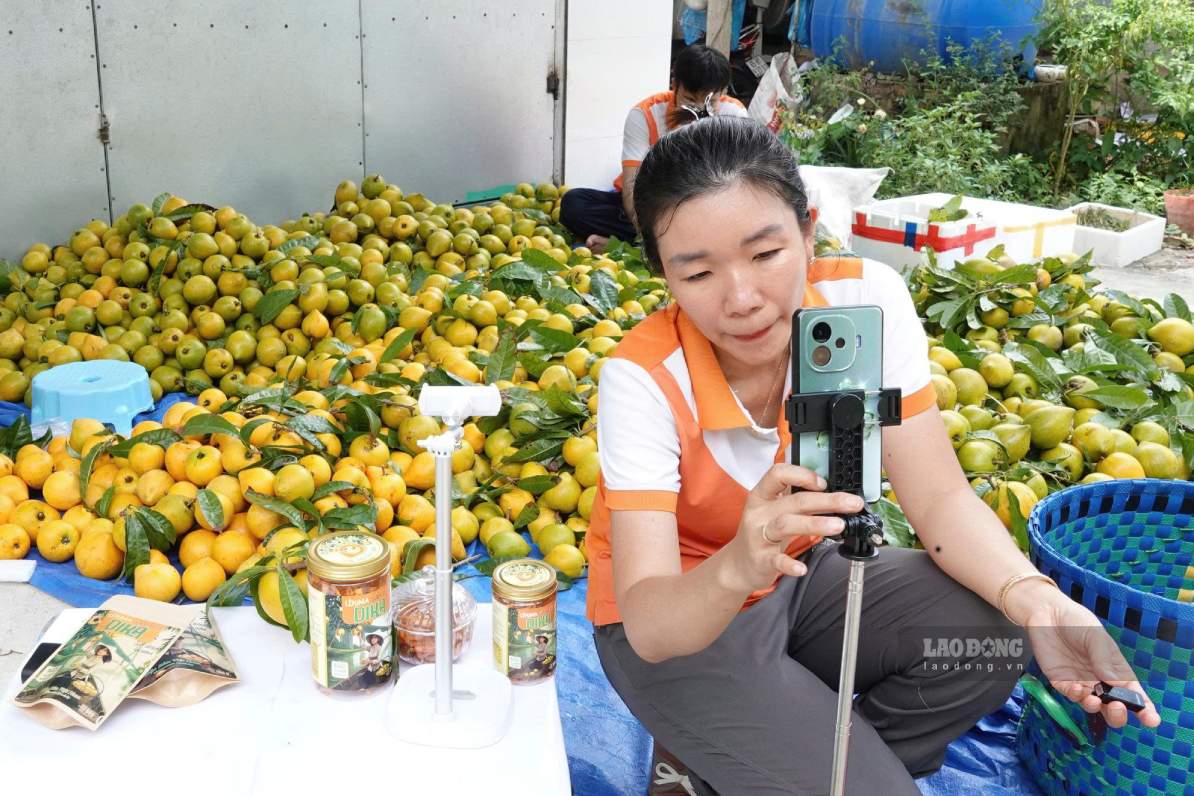
Along with production, Ms. Dieu gradually standardized the process according to HACCP standards, perfected the origin traceability system, applied digital technology and artificial intelligence (AI) in communication, marketing and market expansion. She also built videos to share knowledge about Le Ki Ma on social networks, introduced nutritional values, guided how to use and put products on e-commerce platforms.
Her startup project once reached the final of the National Agricultural Startup Competition, entered the top 10 startup projects in the Mekong Delta, achieved the 4-star OCOP certificate of Can Tho City, completed food safety standards, traceability and successfully registered intellectual property rights for products.
From the family kitchen to the workshop
Born into a purely agricultural family in Truong Thanh commune, Ms. Dieu witnessed the scene of fruit continuously "bumper crops, price drops". Wishing to improve the value of her hometown products, she decided to quit her job in the city to return to her hometown to start a business.
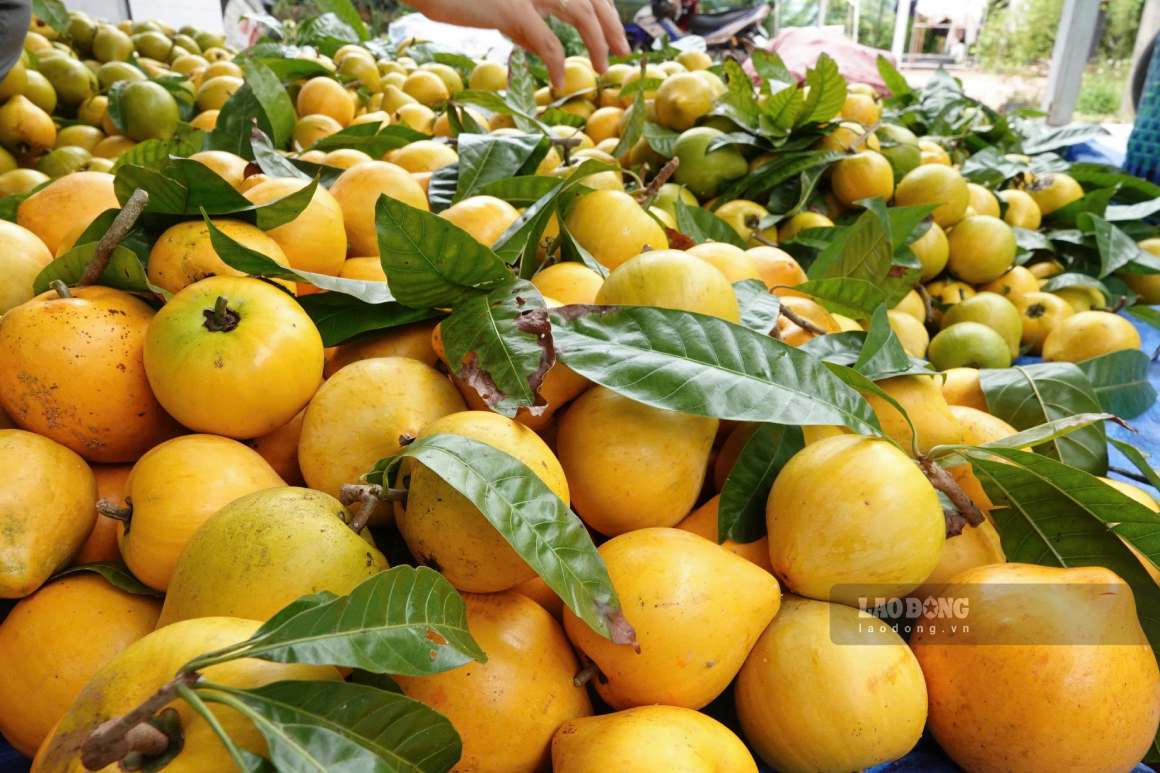
Le Ki Ma contains many vitamins, fiber and antioxidants. However, eating fresh is easy to get tired of, so consumers "abandon" it, rarely choosing it. Meanwhile, the plant is very easy to grow, requires little care and is abundant in my hometown. I think, if processed into a new product, it can create different values," Ms. Dieu said.
Her husband - a Master of Food Technology - accompanies her on her startup journey. Without a professional laboratory or production line, the couple started from a family kitchen with an oil-free frying pot.
Dozens of batches of le ki ma were dried, ground into powder and then adjusted in temperature, time, and humidity. Some batches were burned, and the finished product did not meet the requirements for flavor and color, but she did not give up.
After many months of testing, the first chewy dried lê ki ma was born with a natural, easy-to-eat flavor, more suitable for consumer tastes.
In 2021, Ms. Dieu established a company. After investing in factories and completing the process, she successively launched softened le ki ma dried, le ki ma powder, frozen le ki ma and sublimated le ki ma dried into the market.
In the coming time, she will continue to research new products, including flexible dried lê ki ma cakes, and at the same time nurture a plan to export lê ki ma flour.
She hopes to build a brand for Vietnamese ki ki fruit, helping farmers have stable output, develop clean raw material areas and bring Mekong Delta agricultural products closer to domestic and foreign consumers.
Ms. Mai Tuyet Phung - Chairwoman of the Truong Thanh Commune Women's Union said that Ms. Dieu's model is suitable for local conditions, contributing to improving the value of agricultural products, creating jobs, increasing income and expanding product consumption links with farmers.


