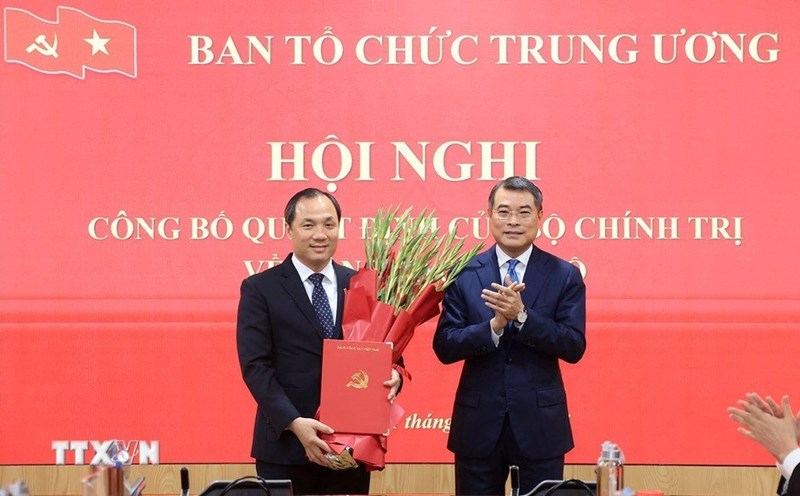
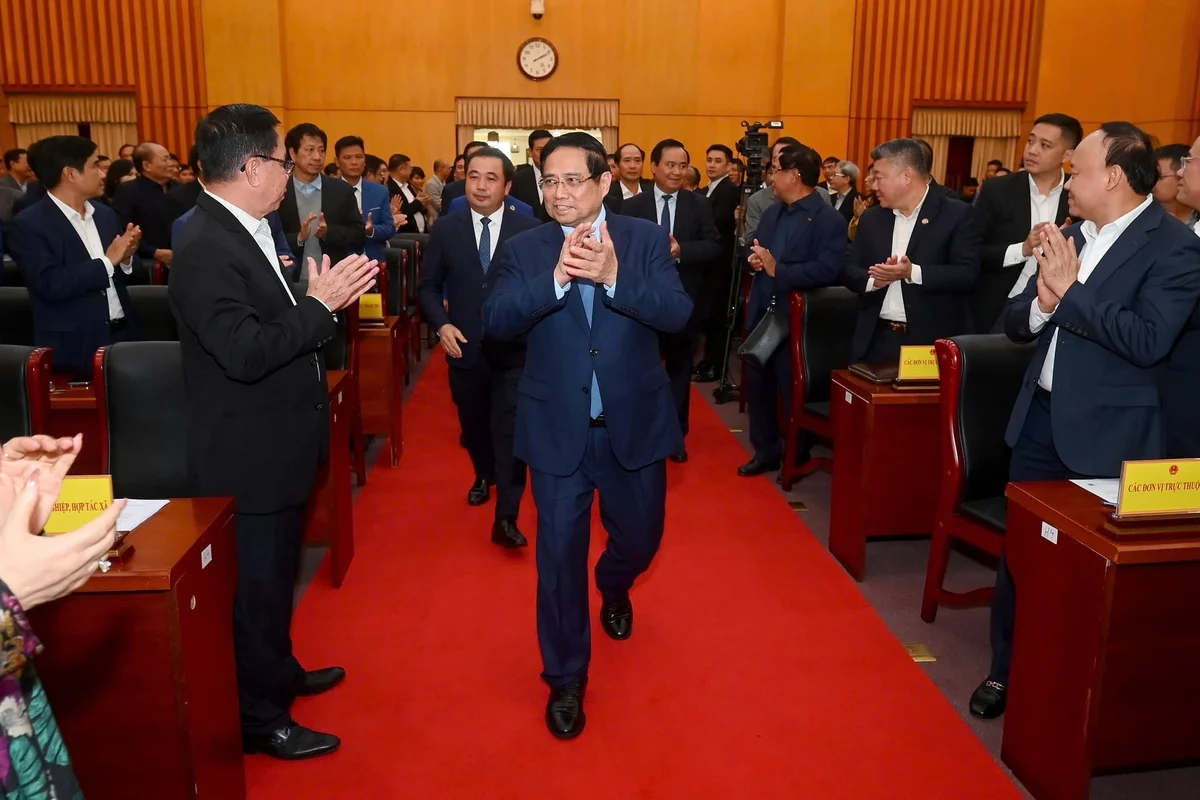
On December 31, 2025, the Ministry of Agriculture and Environment organized a conference to summarize the work in 2025, the period 2021-2025 and deploy the plan for 2026. Prime Minister Pham Minh Chinh attended and delivered a directing speech at the Conference.
Agricultural, forestry and fishery exports are estimated at over 70 billion USD
According to a report by the Ministry of Agriculture and Environment, in the context of volatile global economies, slow growth, climate change and complex natural disasters, the entire sector has proactively and synchronously implemented solutions right from the beginning of the year with the action motto "Discipline and responsibility - proactive and timely - streamlined efficiency - accelerate breakthroughs". The focus is identified as perfecting institutions, administrative reform, decentralization, delegation of power; promoting digital transformation; developing green, ecological, circular agriculture; strengthening resource and environmental governance and proactively adapting to climate change.
As a result, in 2025, the entire industry achieved and exceeded 9/9 targets assigned by the Government. GDP growth of the industry reached about 3.7-3.92%. Agricultural, forestry and fishery export turnover is estimated at over 70 billion USD, exceeding the target of 65 billion USD; trade surplus of over 20 billion USD.
Nearly 80% of communes meet new rural standards; forest cover rate reaches 42.03%. In the environmental field, 95% of urban domestic solid waste collected and treated meets standards; the rate of multidimensional poverty decreases by 0.8-1 percentage points.
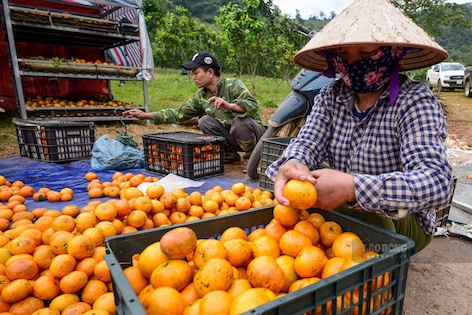
Agricultural production continues to develop stably in the direction of green agricultural economy and emission reduction. In 2025, 312,734 hectares were implemented under the Project of 1 million hectares of high-quality, low-emission rice in the Mekong Delta region; grain-based food output reached 48.09 million tons. Livestock production reached 8.7 million tons of live meat, nearly 21.4 billion eggs.
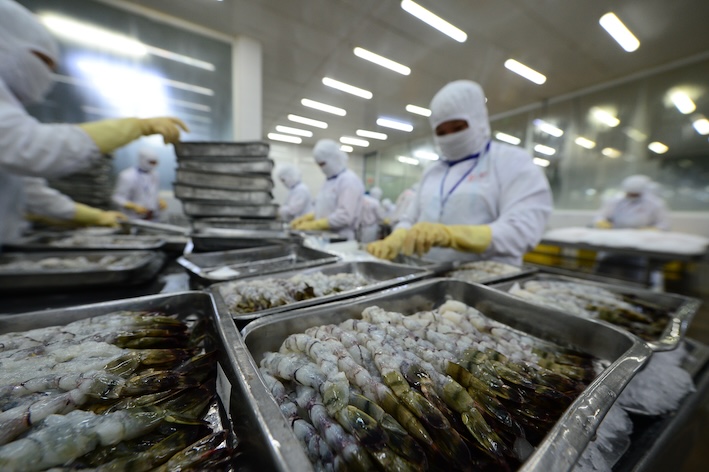
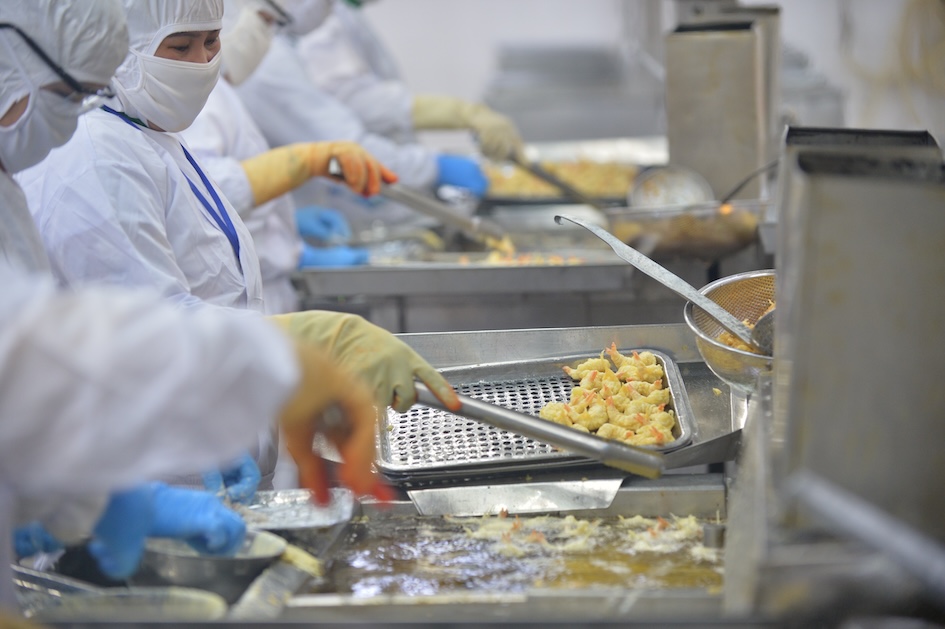
Seafood reached 9.78 million tons, exported about 11 billion USD. Wood and forestry exports reached over 18 billion USD; forest environmental service revenue reached 3.734.7 billion VND. The entire industry maintains over 2,500 value chains, organic production area of over 174,000 ha.
Regarding organizational structure, after consolidation, the Ministry has reduced 25/55 focal points (45.45%), rearranged units in a streamlined and effective direction, ensuring unified and smooth operation. Institutional improvement work has been promoted, submitted and promulgated 2 laws, 19 decrees, 4 resolutions, 74 circulars; reviewed 1,055 documents, decentralized 381 tasks, reduced and simplified 208 business conditions and 73 administrative procedures.
Digital transformation continues to be a highlight when the Ministry provides 277 online public services; consolidates digital infrastructure, builds shared data centers; synchronizes 61 million land plots into the national database. Science and technology contributes with 461 new varieties, 216 technical advances, 34 patents, helping to increase economic efficiency by about 30%.
In the fields of resources, environment and climate change response, the Ministry focuses on modern management, based on data; controlling polluting sources, protecting public health, biodiversity conservation and ecosystem restoration. At the same time, preparing technical components for the carbon market, towards efficient operation and serving the emission reduction goals in the coming period.
Unlocking internal resources, creating new momentum for production development
Speaking at the Conference, Minister of Agriculture and Environment Tran Duc Thang said that the Agriculture and Environment sector implemented the 2025 plan in the context of trade war, US counter-tax policy... the entire political system implemented the policy of innovation, streamlining the apparatus and adverse weather conditions, "storm after storm, flood after flood". However, the Sector has achieved important and positive achievements.
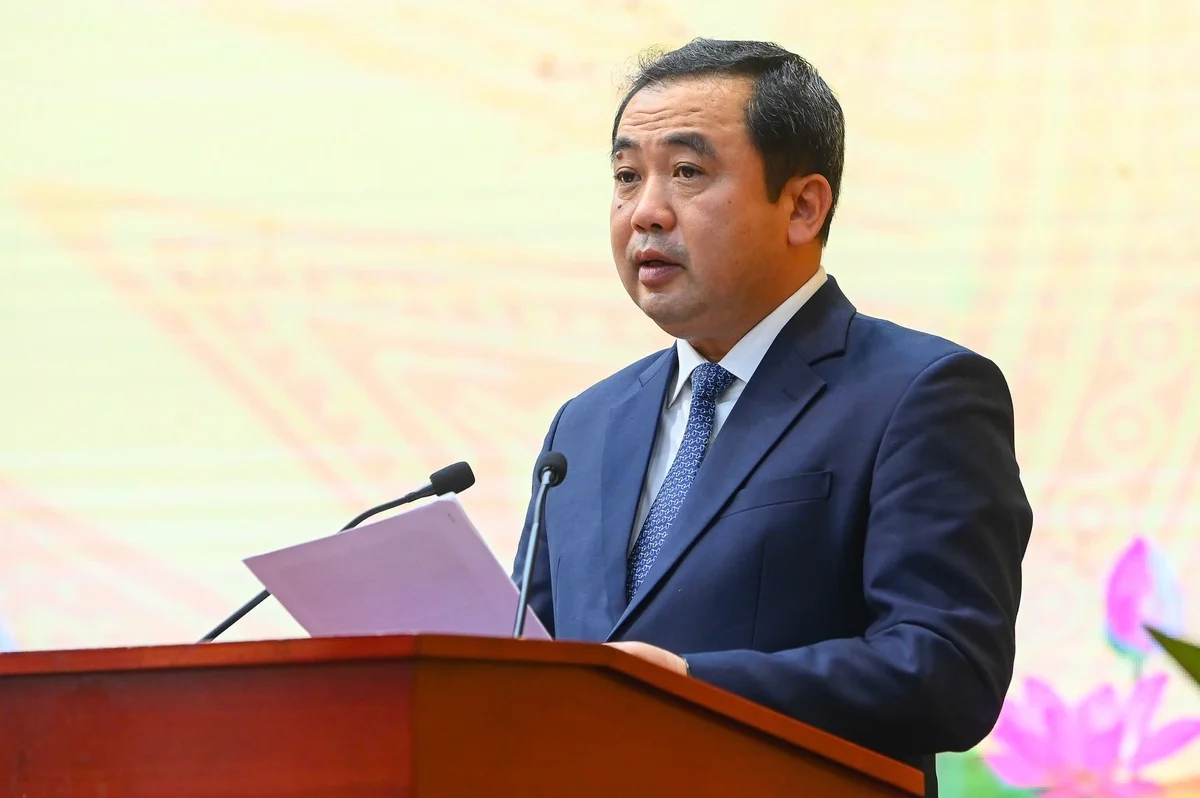
Quickly stabilize the organizational structure after the merger of the two Ministries: Receive additional state management tasks on "poverty reduction", previously under the Ministry of Labor, Invalids and Social Affairs. After the merger, the organizational structure of the Ministry has been adjusted and streamlined: reduced by 25/55 focal points (reducing 45.45%), reduced by 19/78 directly affiliated public service units (reducing 24.36%); reduced by 63/301 department-level focal points directly under units (reducing 20.9%).
The system of mechanisms, policies, and laws on agriculture and environment continues to be completed. In particular, at the 10th session of the 15th National Assembly recently, the Ministry advised the Government to submit to the National Assembly for approval 02 Laws and 01 important Resolution amending and supplementing 17 Laws in the field of industry management), promptly removing difficulties and obstacles in the process of organization and implementation.
Besides the achieved results, the Ministry also frankly acknowledged some shortcomings and limitations, in which air pollution is still developing complicatedly and has not been effectively controlled. The ability to respond and minimize the harmful effects of natural disasters and climate change has not met requirements...
According to Minister Tran Duc Thang, some specific tasks in the coming time of the industry are to continue to review and streamline the effective and efficient apparatus; promptly coordinate to handle and remove difficulties, obstacles, inadequacies, and new issues arising, especially related to the activities of local authorities at 2 levels; Completing institutions and policies to serve industry growth and promote agricultural, forestry and fishery exports; synchronously implementing resolutions, strategies, programs, projects and industry development plans; Strengthening solutions to build infrastructure for agricultural and rural development; effectively managing and exploiting land, water resources and primary factors; unlocking internal resources and creating new momentum for production development...
It's a bit of a bit of a bit of a bit of a bit of a bit.