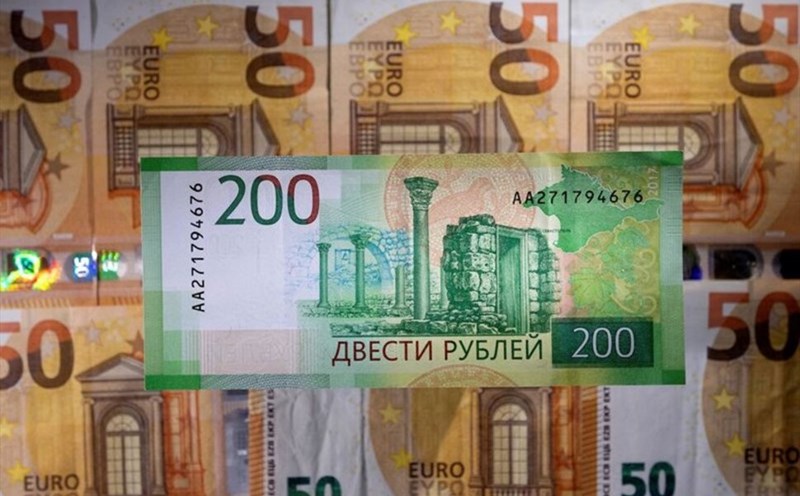
Sự kết hợp giữa đồng rúp mạnh và giá dầu cao sẽ tạm thời kiềm chế lạm phát nhưng cũng có thể đẩy nhanh giá tiêu dùng trong tương lai, nhật báo kinh doanh Nga RBC dẫn lời Tiến sĩ Kinh tế Denis Domashchenko.
Chuyên gia kinh tế Nga cảnh báo, sự áp đảo của doanh thu ngành năng lượng cùng với đồng rúp Nga mạnh có thể dẫn tới cái gọi là "căn bệnh Hà Lan" (Dutch disease).
Trong kinh tế học, "căn bệnh Hà Lan" là mối quan hệ nhân quả giữa tăng trưởng kinh tế của một lĩnh vực cụ thể và sự suy giảm trong các lĩnh vực khác.
Trạng thái này có thể hình thành như những hậu quả tiêu cực phát sinh từ việc giá trị tiền tệ của một đất nước tăng đột biến do tốc độ tăng trưởng xuất khẩu hàng hóa của một ngành chiếm ưu thế, thường là nhiên liệu hóa thạch.
Lúc đầu, dòng ngoại tệ đổ vào làm giảm lạm phát trong nước, nhưng đồng thời nó cũng làm chậm lại sự phát triển của các ngành khác, cản trở tăng trưởng kinh tế, dẫn đến tăng giá.
Thuật ngữ "căn bệnh Hà Lan" được The Economist sử dụng lần đầu năm 1977 để mô tả sự suy giảm của lĩnh vực sản xuất ở Hà Lan sau khi phát hiện ra mỏ khí đốt lớn Groningen năm 1959.
Theo Tiến sĩ Domashchenko, việc đồng tiền của Nga mạnh lên gần đây và doanh thu từ các sản phẩm năng lượng Nga tăng cao là rủi ro cho sự phát triển của nền kinh tế đất nước trong dài hạn.
Nhà kinh tế học Nga cảnh báo, "căn bệnh Hà Lan" hoặc hiệu ứng Groningen có thể tự biểu hiện rõ ràng trong nền kinh tế Nga, tỉ giá hối đoái cao có thể gây ra tình trạng tồn đọng trong lĩnh vực công nghệ cao và dẫn đến tăng giá chậm.
Việc thiết lập tỉ giá hối đoái đồng rúp cố định thay vì tỷ giá hối đoái thả nổi đã hoạt động ở Nga từ năm 2014 sẽ giúp tạo ra sự cân bằng giữa điều tiết lạm phát và tăng trưởng kinh tế, theo nhà kinh tế học Domaschenko. Ông cũng cho rằng, một cơ chế tương tự trước đây đã giúp ổn định tình hình kinh tế ở Trung Quốc.
Ngày 23.5, đồng rúp Nga đã tăng hơn 6% so với đồng euro lên 58,75, đạt mức mạnh nhất kể từ tháng 6.2015. So với đồng USD, đồng tiền của Nga tăng 4,6% lên giao dịch ở mức 57,47, gần với mức cao kỷ lục trong 4 năm ghi nhận ngày 20.5.