
One of the contents of concern to voters is the salary reform policy. The adjustment of the base salary, pension and allowance regimes in 2026 is being built under the direction of the Government.
The Prime Minister has issued Official Dispatch 38/TTg-QHĐP on the implementation of the Resolution at the 10th session, 15th National Assembly. According to the attached appendix, the adjustment of the base salary, pension and allowance and subsidies are identified as one of the key tasks to be implemented.
In Decision 282/QD-TTg on the key state administrative reform plan for the period 2026-2030, the Prime Minister emphasized the requirement to build salary and bonus reforms and diversify preferential policies for cadres, civil servants, and public employees in 2026.
According to the Government Portal, at the meeting with voters and candidates for the 16th National Assembly held on March 9, Party Central Secretary, Deputy Prime Minister Pham Thi Thanh Tra said that salary reform is a common desire of voters nationwide.
Salary reform is not only applied in the public sector but also related to workers in the private sector. Reform must be implemented according to a roadmap suitable to the economic conditions, financial resources and budget capacity of the country.
According to the Deputy Prime Minister, if reform and streamlining of the organizational structure are continued, while innovating the growth model and promoting economic growth at a higher level, budget revenue will be improved, creating conditions for salary reform in the coming time.
Therefore, the salary adjustment in the past time has been implemented according to a cautious, step-by-step, solid, effective and suitable roadmap for the economy's capacity.
To date, the base salary of cadres, civil servants, public employees and armed forces has increased by about 58%. However, compared to practical requirements and the living standards of workers, this salary level is still low.
For the private sector, the minimum wage is also adjusted annually, but in general, it still does not fully meet the actual needs.
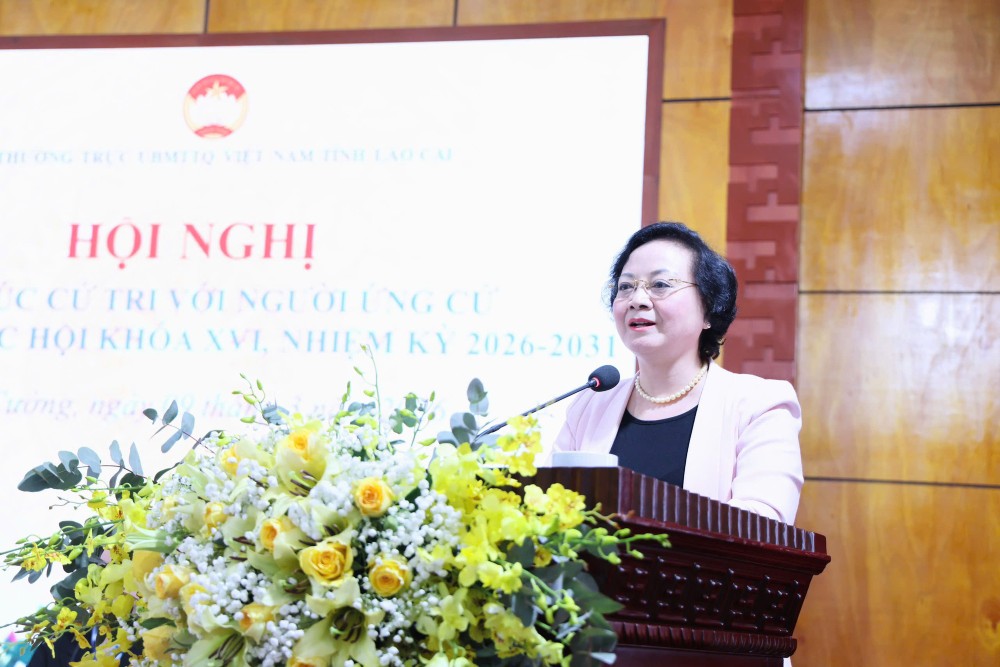
The Deputy Prime Minister said that in the coming time, functional agencies are summarizing the implementation of Resolution No. 27-NQ/TW dated May 21, 2018, the 7th Conference of the Party Central Committee (12th term) on salary policy reform for cadres, civil servants, public employees, armed forces and employees in enterprises - to report to competent authorities on the roadmap for salary reform in the next phase.
In the immediate future, it is expected that from July 1, 2026, the base salary will be temporarily adjusted to increase by about 8%," the Deputy Prime Minister informed.
The salary adjustment will be considered based on budget capacity, while ensuring balance, harmony and rationality between the salaries of cadres, civil servants, public employees, and armed forces and the regime for retirees, people with meritorious services, and social protection beneficiaries, in order to ensure social progress and fairness.
The Government also continues to study and improve the bonus mechanism associated with work results, creating resources for agencies and units to evaluate and classify work efficiency according to KPI, ensuring to pay salaries and bonuses to the right people for the right jobs and improve the operational efficiency of the apparatus.
Building reform of salary, bonus and preferential policies
In Decision No. 282/QD-TTg promulgating the Key State Administrative Reform Plan for the period 2026-2030, the Prime Minister assigned the task of reviewing, building and completing job positions suitable to the functions and tasks of each agency, unit, and organization as a basis for recruiting, appointing, and using cadres, civil servants, and public employees.
In the Decision, the Prime Minister also assigned the Ministry of Home Affairs to take the lead in coordinating with relevant ministries and sectors to build a reform of salary and bonus regimes and diversify preferential policies for cadres, civil servants, and public employees in 2026.


