
The ride-hailing and delivery market in Vietnam is constantly fluctuating, leading to a race to expand services between platforms. With TADA, the decision to join the delivery segment also raises the question: why delivery, when this is inherently a fiercely competitive market in terms of speed, cost and driver coverage?
TADA Delivery: Optimizing costs and quality for sustainable development
In the initial launch phase, TADA Giao Hang will focus on small, compact items that need quick delivery such as documents, records, food, cosmetics or clothing, suitable for motorbike transportation and not requiring specialized vehicles. This approach simplifies the delivery process, while taking advantage of the inherent flexibility of the 2-wheeled driver partner team.
With customers, TADA focuses on committing not to combine orders to optimize delivery speed. Instead of having to wait to collect many orders to optimize one trip, drivers can receive and deliver directly 1-1 from the sender to the recipient. This helps customers reduce waiting time, while drivers can complete each trip quickly and continue to receive the next order.
An important part of TADA's model is the policy of not collecting platform fees and commissions. When the driver partner receives the full fare, TADA has more basis to maintain a competitive price for customers, while creating motivation for drivers to receive and complete direct orders. From there, the three "quick, no pairing, super cheap" commitments do not stand alone but are linked together in the same operating method.
Greedy" for the market or resource optimization strategy?
TADA Delivery launched at first glance can be seen as an effort by the ride-hailing platform to exploit more transportation markets. But looking further, this move also brings a practical benefit to the TADA driver community: better taking advantage of available time and resources.
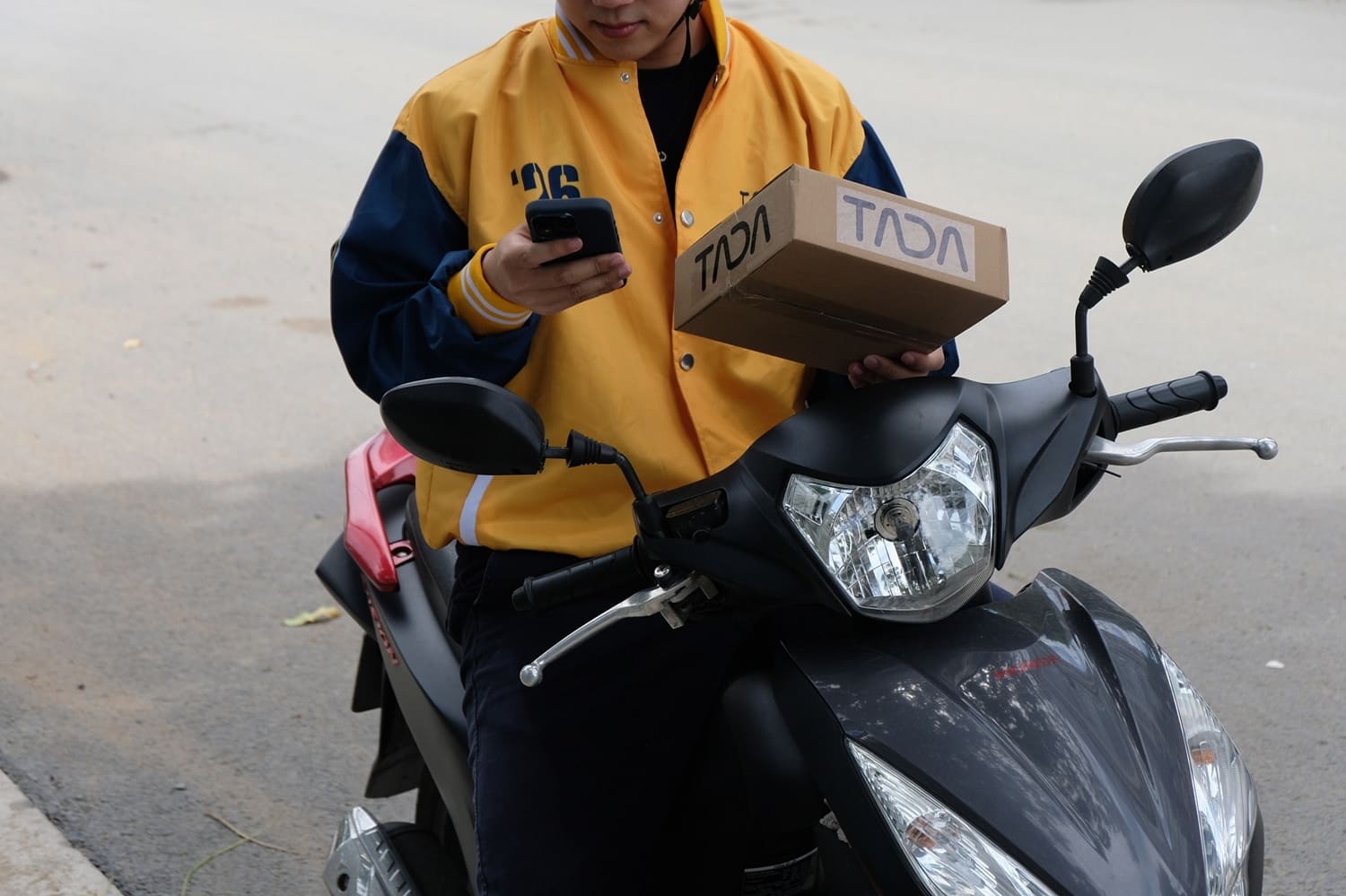
Specifically, partners can take advantage of the free time between trips to receive additional delivery orders. A day of driving can therefore be more flexible: carrying passengers in the morning, delivering goods in the middle of the day, and returning at peak hours to serve travel needs. With the same vehicle, the same platform, but with an additional source of orders for drivers to exploit.
In general, TADA Giao Hang is taking advantage of its existing driver network to meet additional transportation needs, while opening up more opportunities to generate income in periods when passenger demand is low. If this is a "covetous" move, then at least, it is a "covetousness" in optimizing existing resources.


