
In the context of Vietnam promoting energy transition and reducing emissions, E10 bio-gasoline is emerging as a feasible solution in the short and medium term.
Not only contributing to reducing dependence on fossil fuels, E10 is also expected to help improve environmental quality, in line with sustainable development commitments.
Biofuel development is one of the key orientations in Resolution 55-NQ/TW of the Politburo on the national energy strategy. To concretize this policy, according to the roadmap in Circular 50/2025/TT-BCT, Vietnam will completely convert from RON95 mineral gasoline to biofuel from June 1, 2026.
In the context of volatile global energy markets, especially in the face of geopolitical tensions, the need to ensure energy security and reduce dependence on mineral gasoline is becoming increasingly urgent.
On March 19, 2026, the Prime Minister issued Directive 09/CT-TTg, setting a goal to promote the use of E10 bio-gasoline, aiming to reduce about 10% of mineral gasoline consumption in the coming time.
One of the notable points is that Vietnam's energy consumption scale is increasing rapidly, leading to great pressure on fuel supply and imports. In that context, E10 gasoline not only helps reduce greenhouse gas emissions but also contributes to taking advantage of domestic raw materials, gradually improving energy self-sufficiency.
According to Vietnam National Petroleum Group (Petrolimex), the pilot implementation in Ho Chi Minh City has shown positive signs. After more than 8 months of use, E10 gasoline has not recorded negative feedback from consumers related to quality or safety. Consumption output has also increased significantly, showing that market acceptance is gradually improving.
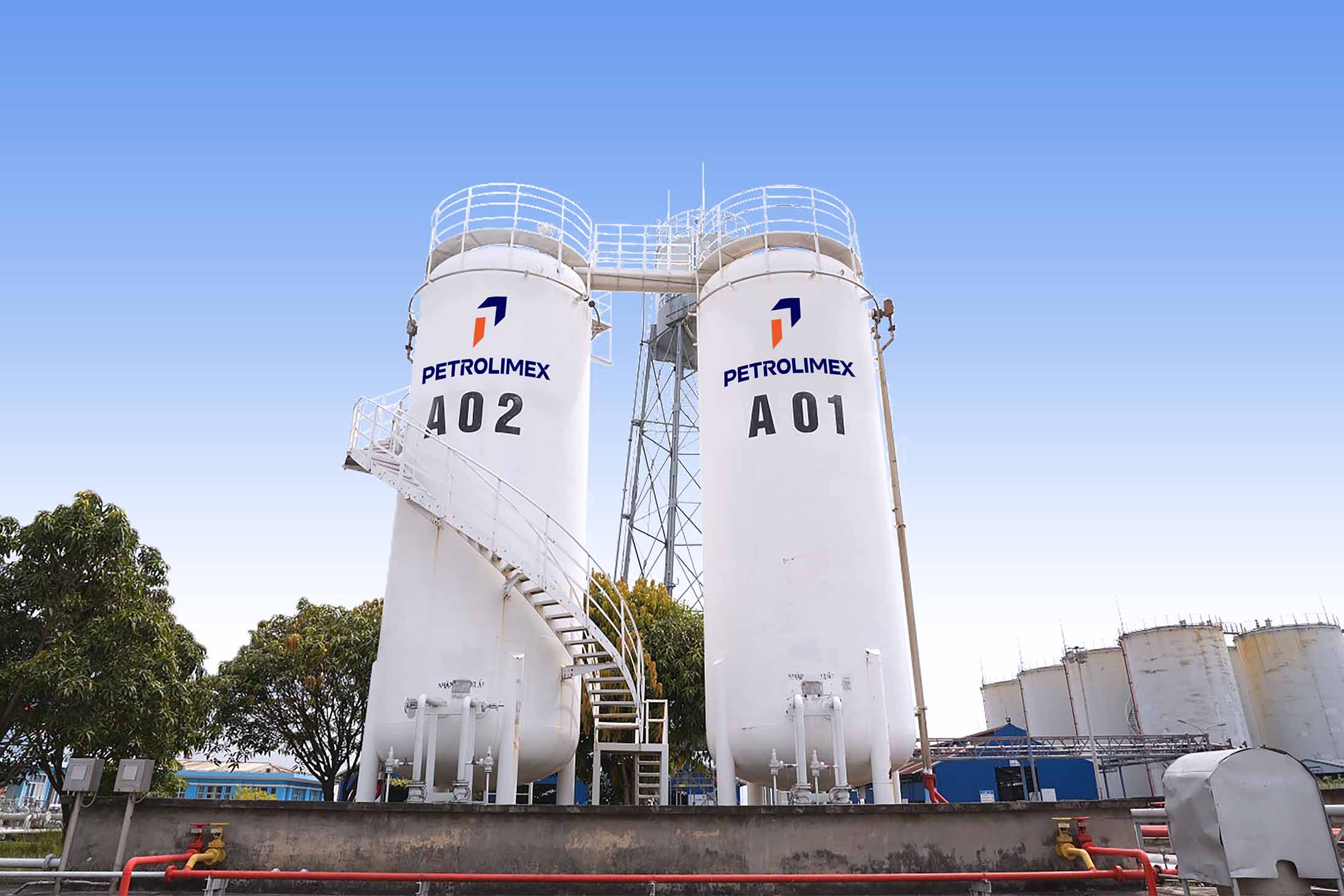
Besides environmental factors, one of the important benefits of E10 gasoline is the ability to reduce import pressure on mineral gasoline. According to calculations, if completely converted to E10 RON95, this group can reduce mineral gasoline by about 10%, equivalent to about 35,000-40,000 m3 per month, contributing to reducing import pressure. This is not only economically significant but also contributes to ensuring national energy security in the long term.
However, the transition to bio-gasoline also poses many challenges. In which, the issue of supply, infrastructure investment costs and consumption habits are factors that need to be resolved synchronously. Ensuring product quality, technical standards and distribution systems also play a key role in creating trust for users.
From a market perspective, the participation of key enterprises plays an important role in realizing this roadmap. Petrolimex is one of the units that early piloted E10 gasoline, and at the same time invested in warehouse infrastructure, blending technology and distribution systems to be ready for the widespread transformation process.
In addition, the development of fuel products that meet emission standards at level 5 (Euro 5) also contributes to supporting the emission reduction goal. High-quality gasoline and oil lines not only help reduce harmful gases but also improve operating efficiency and engine life.
In the long term, E10 gasoline is expected to become an important link in Vietnam's sustainable energy ecosystem. Promoting the use of biofuels not only helps reduce emissions, but also creates momentum for the development of related industries such as ethanol production, raw material agriculture and clean energy technology.
In the context of strong global energy transition, the early deployment and expansion of E10 bio-gasoline will help Vietnam take advantage of opportunities, minimize risks from market fluctuations and move closer to the goal of sustainable development.


