
According to a newly published analysis by the International Settlement Bank (BIS), the speculative investment wave of individual investors - especially through ETF funds using leverage - played an important role in the strong sell-off in the gold and silver markets at the end of January 2026.
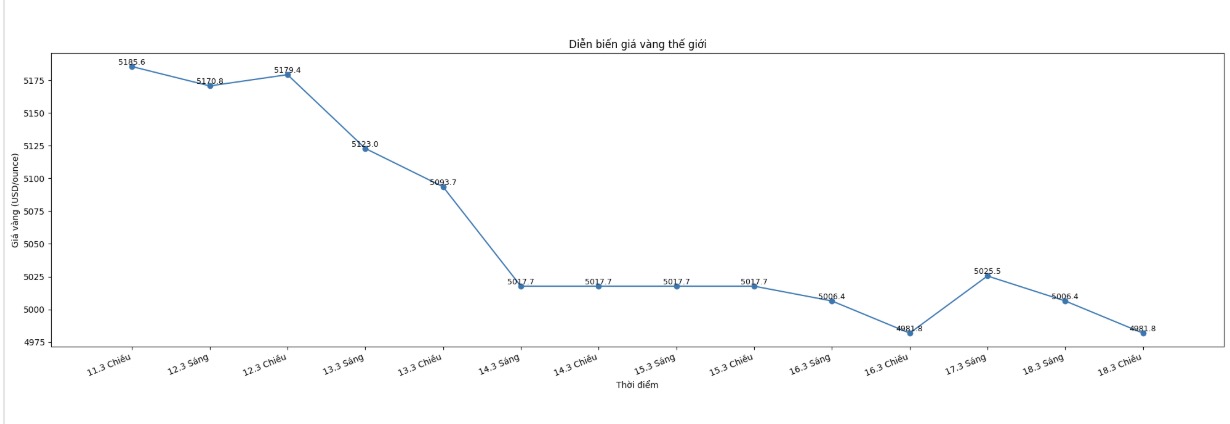
After a strong growth year in 2025, precious metal prices continued to escalate in the first weeks of 2026. Silver even increased by more than 50% in January alone, after doubling in the previous year. However, this upward momentum quickly reversed. In just one trading session at the end of January, silver prices fell by about 30%, while gold also fell accordingly but to a milder extent.
BIS believes that this development is difficult to fully explain by fundamental factors such as monetary policy or the fluctuation of the USD. Instead, the market structure with high leverage and the massive participation of individual investors is the main cause of extreme volatility.
Capital flow data shows that the main buying force before the decline came from small investors, while large financial institutions maintained stable positions or even reduced proportions. In the futures contract market, small investors also held large buying positions for silver right before the market adjusted.
When prices started to fall, margin pressure increased, forcing this group to sell to cut losses. At the same time, trend investment funds and other organizations also reduced buying positions, creating simultaneous selling pressure, causing prices to fall faster.
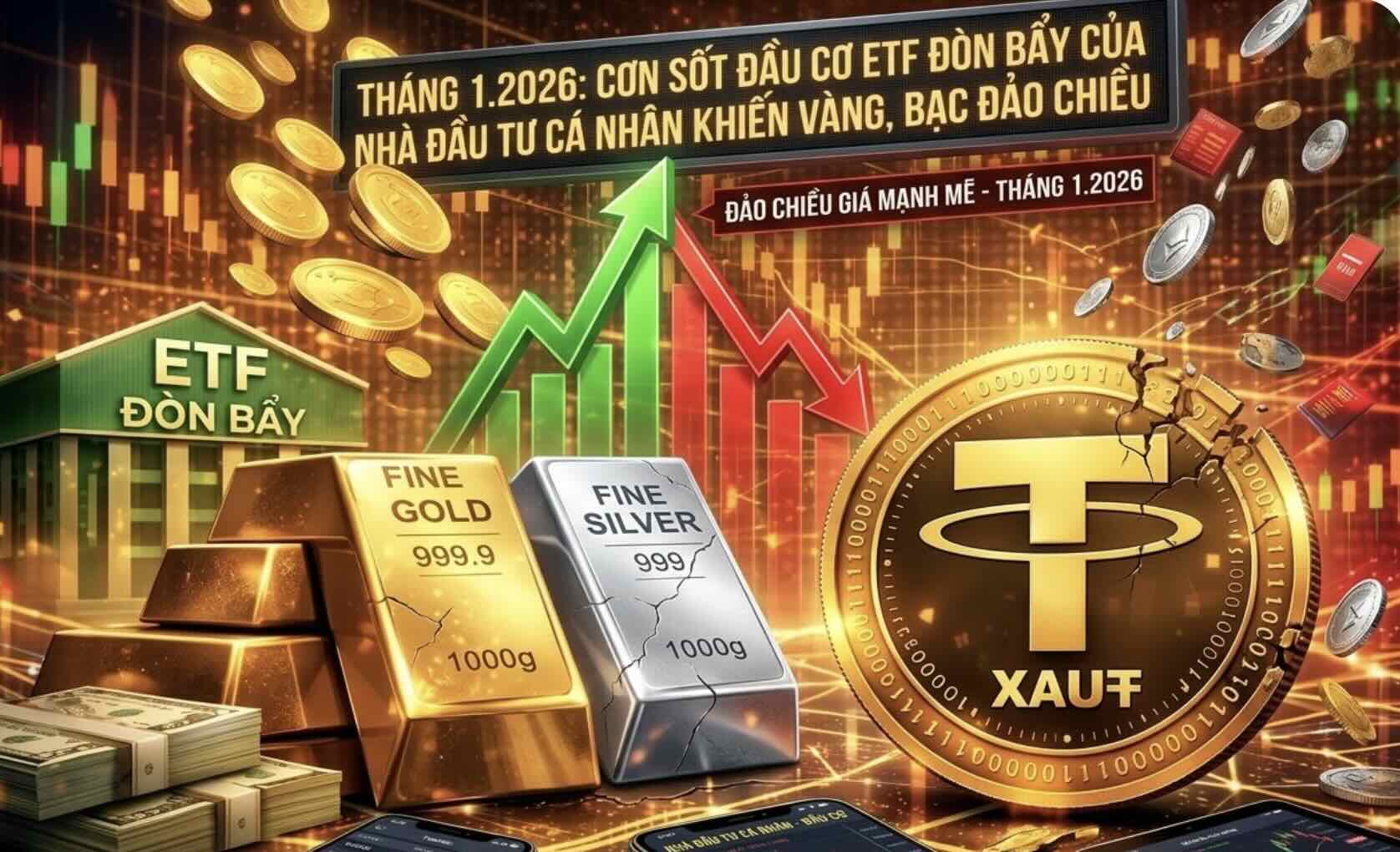
ETF lever amplifies upward and downward momentum
One of the important factors that makes volatility stronger is the popularity of ETF funds using leverage. This is a tool to help investors increase the level of exposure to assets without having to spend all capital, thereby strongly attracting personal cash flow.
However, the operating mechanism of these funds is an amplification of the trend. To maintain a fixed daily leverage ratio, funds must rebalance their portfolios: buy more when prices increase and sell out when prices decrease.
This creates a self-reinforcing loop. In the upward market phase, buying activities from ETFs contribute to pushing prices up faster. But when the trend reverses, this mechanism itself increases selling pressure, pulling prices down deeper.
According to BIS, the level of impact of rebalancing activities from leverage ETFs has increased significantly in 2025, showing the increasing role of individual speculative cash flow in the precious metals market.
Margin pressure creates a "chain sell-off" effect
Besides ETFs, the margin factor in the derivatives market also contributes to amplifying the downward momentum. When prices fall rapidly, exchanges have raised margin requirements, forcing many investors to supplement capital or close positions.
In the context of sharp price decreases, many investors who could not manage capital in time were forced to sell, creating more pressure on the market. This process formed a negative spiral: Price decreases followed by sell-offs, thereby causing prices to fall even deeper.
A sign that the market had previously been pushed up too much is that gold and silver ETF funds continuously traded higher than net asset value. When the trend reversed, this difference quickly disappeared, even switching to discounted status, reflecting strong selling pressure.
BIS believes that the combination of selling activities due to ETF leverage and yield releases on the derivatives market has created a major shock, causing precious metal prices to fluctuate sharply in a short period of time.
This development is also a warning about the risks of using leverage in investment, especially in the context that individual investors are increasingly deeply involved in global financial markets. When euphoria spreads, leverage can help amplify profits, but when the trend reverses, it itself becomes a factor that causes losses to increase rapidly and are difficult to control.


