
Những vi sinh vật kỳ lạ
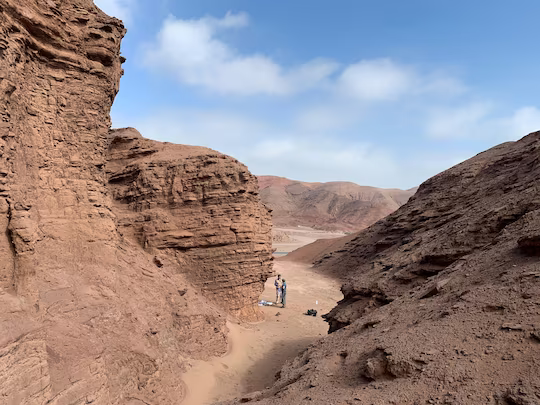
Sa mạc Atacama ở Chile là nơi khô hạn nhất trên Trái đất. Ở nhiều khu vực, sa mạc này trông rất giống sao Hỏa. Nhưng ngay cả ở những vùng siêu khô cằn, sự sống vẫn tồn tại.
Sử dụng thiết bị hiện đại để thăm dò đá sa mạc, các nhà nghiên cứu đã tìm thấy những mẩu ADN từ một hỗn hợp vi khuẩn hấp dẫn.
Đáng chú ý, 9% các đoạn gene được tìm thấy thuộc về những sinh vật mà khoa học chưa biết đến, khiến chúng trở thành một phần của “hệ vi sinh vật tối”, theo nghiên cứu công bố tuần này trên tạp chí Nature Communications.
Những sinh vật này là những vi khuẩn “rất kỳ lạ và khác biệt”, đến nỗi các nhà nghiên cứu không thể xác định được bất kỳ họ hàng nào đã biết.
Trưởng nhóm nghiên cứu Armando Azua-Bustos - nhà vi trùng học tại Trung tâm Sinh vật học ở Madrid - chia sẻ với The Washington Post: “Trong gần một nửa số trường hợp, cơ sở dữ liệu không thể nói rõ ràng chúng tôi đang có gì trong tay".
Armando Azua-Bustos và cộng sự tin rằng, sa mạc Atacama là nơi thử nghiệm tuyệt vời cho việc tìm kiếm sự sống trên sao Hỏa.
Nhưng cuộc tìm kiếm tương tự bằng những phiên bản như tàu thám hiểm sao Hoả đang ở trên hành tinh đỏ không thể phát hiện ra dấu hiệu của vi sinh vật.
Điều đó có nghĩa là việc tìm kiếm bằng chứng thuyết phục về sự sống hiện tại hoặc quá khứ trong đất của sao Hỏa sẽ khó nếu không mang các mẫu vật về Trái đất.
Nghiên cứu dường như củng cố chiến lược thăm dò sao Hỏa dài hạn của NASA và đối tác - Cơ quan Vũ trụ châu Âu (ESA). NASA và ESA đang thực hiện một sứ mệnh nhiều giai đoạn mang tên "Mars Sample Return".
Nếu mọi việc diễn ra theo đúng kế hoạch, các mẫu vật từ sao Hỏa do tàu thám hiểm Perseverance của NASA thu được sẽ được đưa trở lại Trái đất trong khoảng đầu thập kỷ tới để xem xét trong các phòng thí nghiệm.
Nhưng nghiên cứu mới cũng nêu bật những thách thức mà các nhà khoa học phải đối mặt khi muốn biết lịch sử sinh học của sao Hỏa.
Sự sống vi sinh vật, đặc biệt là nếu chúng đã tuyệt chủng và hóa thạch từ lâu, có thể tồn tại ở mức hoặc vượt quá giới hạn xa nhất mà những loại dụng cụ đủ nhỏ để phóng vào không gian và đáp xuống một hành tinh khác có thể được phát hiện ra.
Tàu Perseverance và tàu Curiosity đã tìm thấy dấu vết của các phân tử hữu cơ - loại phân tử là nền tảng của sự sống - trên bề mặt sao Hoả dù điều này không phải là bằng chứng về nguồn gốc sinh học.
Amy Williams - nhà khoa học hành tinh tại Đại học Florida và là thành viên của nhóm khoa học Curiosity and Perseverance - cho biết, báo cáo mới của Azua-Bustos và cộng sự rất quan trọng vì cho thấy việc bảo quản chất hữu cơ bị hạn chế trong các môi trường giống như sao Hỏa và sẽ khó phát hiện ngay cả với các thiết bị phòng thí nghiệm hiện đại.
"Điều này có nghĩa là việc phát hiện chất hữu cơ bằng các thiết bị không gian, như các tàu thám hiểm trên sao Hỏa hiện tại và tương lai, có thể là một thách thức lớn hơn, vì chất hữu cơ dễ dàng bị phân hủy trong môi trường bề mặt sao Hỏa có nhiều bức xạ" - ông Williams nói.
Cách hiệu quả nhất để tìm ra dấu vết sự sống trên sao Hỏa
Tuy nhiên, nghiên cứu tại Atacama cho thấy, ngay cả một môi trường rất khô cằn cũng sẽ có các lớp đá trầm tích với một lượng đáng kể tàn tích sinh học, Chris House, nhà địa chất học và sinh vật học vũ trụ của Đại học bang Pennsylvania, chia sẻ.
Nhà khoa học Azua-Bustos là cư dân gốc Atacama. Ông sinh trưởng tại một thị trấn Chile, nơi mưa chỉ rơi khoảng một lần mỗi năm. Ông cho biết, có những nơi ở đây cư dân chưa bao giờ nhìn thấy mưa trong nhiều thế hệ.
Trên sa mạc có một khu vực là Đá Đỏ, nơi những tảng đá có màu đỏ do sự hiện diện của khoáng chất, hematit - đây cũng là khoáng chất tạo ra màu đỏ của sao Hỏa.
Hơn 100 triệu năm trước, vào thời đại khủng long, Đá Đỏ là một đồng bằng sông, giống như khu vực trên sao Hỏa trong miệng núi lửa Jezero mà tàu thám hiểm sao Hoả Perseverance đang khám phá.
Nhà khoa học Azua-Bustos đã rất ngạc nhiên trước vật liệu di truyền có bản chất lạ được phát hiện trong nghiên cứu ở Atacama.
Ông Azua-Bustos nhận định, đây có thể là di tích vật liệu di truyền từ các dạng sống đã tuyệt chủng từ lâu và chưa được ghi nhận trước đây.
Tàu thám hiểm Perseverance tiếp tục khám phá miệng núi lửa Jezero, đào lên và lưu trữ các mẫu đất sao Hỏa. Kế hoạch là đưa một con tàu vũ trụ khác lên bề mặt hành tinh đỏ.
Perseverance sau đó sẽ chuyển các mẫu đất sao Hỏa đến tàu đổ bộ để tàu này đưa mẫu vật vào quỹ đạo. Ở đó, tàu đổ bộ sẽ gặp một phương tiện khác - tàu quỹ đạo do châu Âu chế tạo - để tàu quỹ đạo vận chuyển mẫu vật về Trái đất.
Nghiên cứu mới cho thấy đây có thể là cách hiệu quả nhất - và có thể là cách cuối cùng duy nhất - để tìm hiểu xem có thứ gì từng tồn tại trên sao Hỏa hay không.
“Chúng ta biết có những thứ cần phát hiện. Nhưng nếu thiết bị của bạn không được thiết kế để có thể phát hiện ra những thứ đó, thì chúng ta gặp vấn đề" - ông Azua-Bustos lưu ý.


