
Nga có trữ lượng đất hiếm đứng thứ hai trên thế giới, nhưng chỉ chiếm gần 2% sản lượng đất hiếm toàn cầu. Sự phát triển bị cản trở do thiếu nhu cầu nội địa, trong khi đó, Nga nhập khẩu tới 90% lượng đất hiếm để đáp ứng nhu cầu của các doanh nghiệp trong nước.
Các bộ, ban, ngành đã cố gắng giải quyết nghịch lý này trong nhiều năm liền. Có vẻ như mọi thứ cuối cùng bắt đầu tiến về phía trước - theo Sputnik.
Các kim loại đất hiếm bao gồm 15 nguyên tố thuộc nhóm Lanthan cộng với yttrium và scandium. Chúng có tính chất hóa học tương tự nhau và thường xuất hiện cùng nhau trong thiên nhiên.
Cái tên "đất hiếm" xuất hiện vào cuối thế kỷ 18 bởi vì vào thời điểm đó người ta tin rằng, những nguyên tố này là tương đối hiếm. Vì các nguyên tố này tạo thành các oxit chịu lửa không tan trong nước nên được gọi là "đất".
Đất hiếm đang được sử dụng rộng rãi trong điện tử vô tuyến, chế tạo dụng cụ, kỹ thuật hạt nhân, kỹ thuật cơ khí, công nghiệp hóa chất, luyện kim và lĩnh vực quốc phòng. Dự trữ chiến lược về đất hiếm là một yếu tố quan trọng trong sự cạnh tranh toàn cầu và an ninh quốc gia.
Ví dụ, các tập đoàn quốc phòng Mỹ phải có đến 417 kg kim loại đất hiếm để sản xuất một tiêm kích tàng hình F-35. Và lutetium, một trong những loại đất hiếm hiếm nhất và đắt nhất, được sử dụng trong động cơ tên lửa đẩy.
Tiềm năng chưa được khai thác
Người chơi lớn nhất trên thị trường đất hiếm toàn cầu là Trung Quốc, nước này chiếm 62% sản lượng toàn cầu và hơn 42% trữ lượng nguyên liệu đất hiếm. Khu vực có nhiều đất hiếm nhất là Bayan Obo tại khu tự trị Nội Mông cung cấp tới 1/3 sản lượng toàn cầu.
Trung Quốc đáp ứng đầy đủ nhu cầu của mình đối với nguyên liệu thô chiến lược này và đang kiểm soát thị trường toàn cầu. Trung Quốc chiếm khoảng 72% tổng lượng tiêu thụ đất hiếm trên thế giới.
Ở Nga, trữ lượng đất hiếm lớn nhất tập trung ở các vùng khó tiếp cận và ít được thăm dò. Chỉ có mỏ Lovozerskoye trên bán đảo Kola đang hoạt động và cung cấp các loại quặng loparite với độ khó khai thác khá cao.
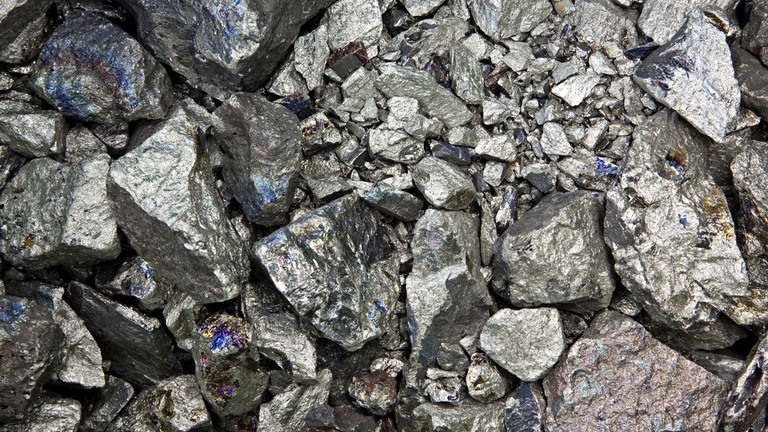
Ngoài đất hiếm, mỏ Lovozerskoye khai thác tantali, niobi và titan. Là thành phần liên quan, đất hiếm cũng được khai thác từ quặng apatite-nepheline tại một số mỏ ở vùng Murmansk.
Quặng đã làm giàu được gửi đến nhà máy sản xuất magie ở Solikamsk duy nhất trong nước, nơi thu được sản phẩm trung gian - điều chế kim loại đất hiếm bằng cách hoà tan oxit hoặc cacbonat, sau đó cô đặc dung dịch.
Để chiết xuất kim loại cần thiết cho ngành công nghiệp, cần phải tách nó thành các oxit.
Ở Nga chưa có doanh nghiệp nào có thể làm điều này ở quy mô công nghiệp. Sau sự sụp đổ của Liên Xô, các doanh nghiệp này ở lại trên lãnh thổ Kazakhstan và Estonia. Trước đây, chất cô đặc đã được gửi để xử lý đến các doanh nghiệp đó, bây giờ chương trình này không hoạt động.
Kết quả là, dù là một trong những nước sở hữu nguồn trữ lượng kim loại đất hiếm lớn nhất thế giới, Nga lại phụ thuộc 100% vào việc nhập khẩu nguyên liệu thô chiến lược này. Các mỏ đất hiếm chưa được khai thác, các nhà máy tinh luyện đất hiếm không được xây dựng vì không có nhu cầu.
Phá vỡ vòng luẩn quẩn
Tháng 7.2019, chính phủ và tập đoàn năng lượng nguyên tử Rosatom đã ký thỏa thuận hợp tác về phát triển lĩnh vực công nghệ cao “công nghệ vật liệu và chất mới” tại Liên bang Nga.
Tại Diễn đàn Khai khoáng Quốc gia lần thứ VI GORPROMEXPO-2022 ở Mátxcơva, ông Andrey Shevchenko, giám đốc công nghệ của Rosatom, đã đưa ra các mục tiêu lớn với lộ trình rõ ràng bao gồm các dự án trọng điểm về đất hiếm.
Đại diện Rosatom lưu ý, các nhiệm vụ được đặt ra đến năm 2025 - giảm phụ thuộc nhập khẩu xuống 50%, tăng sản lượng đất hiếm lên đến 2,7 nghìn tấn. Theo lộ trình này, đến năm 2030, Nga sẽ có thể đáp ứng 100% nhu cầu nội địa, sản xuất 7,5 nghìn tấn kim loại đất hiếm mỗi năm.
"Kho báu ngủ quên"
Theo các tác giả của lộ trình, bước đầu tiên là dự án liên quan đến phosphogypsum, một sản phẩm phụ trong quá trình sản xuất phân lân. Trong đó kim loại đất hiếm thuộc nhóm xeri chiếm 0,4-0,5% và kim loại stronti - có nhu cầu không kém trong các ngành công nghiệp công nghệ cao và công nghiệp hạt nhân - chiếm 1,5%.
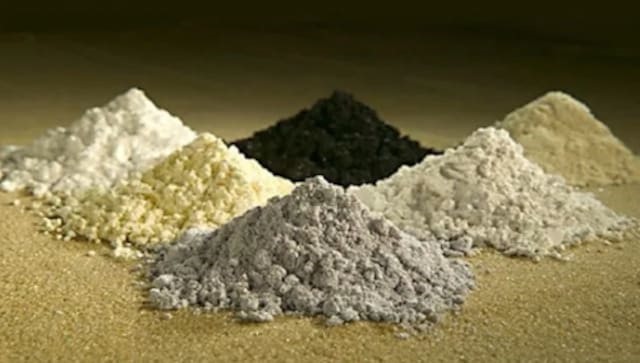
Những “núi trắng” phosphogypsum đang nằm la liệt khắp đất nước. Công ty Skygrad tại thị trấn Korolev gần Mátxcơva, là doanh nghiệp đầu tiên ở Nga khởi động nhà máy tinh luyện đất hiếm.
Công ty vẫn tiếp tục hoạt động. Đến năm 2023, Skygrad có kế hoạch sản xuất 500 tấn oxit đã tách mỗi năm, vào năm 2024 - lên tới 1.000 tấn, năm 2025 - là 2.000 tấn.
Atomredmetzoloto cũng đang thực hiện một dự án với quy mô tương tự nhưng chậm hơn một năm.
Sản lượng này là đủ để đáp ứng nhu cầu nội địa. Sau đó cần phải khai thác các mỏ mới, xây dựng các doanh nghiệp chế biến lớn để cung cấp kim loại đất hiếm cho ngành công nghiệp công nghệ cao và thâm nhập thị trường nước ngoài.
Theo các chuyên gia, chỉ riêng mỏ Tomtor, sau khi hoàn thành việc thăm dò và sản xuất hết công suất, sẽ đáp ứng tới 10% nhu cầu đất hiếm toàn thế giới. Hơn nữa, quặng của mỏ Tomtor chứa nhóm đất hiếm nặng, khan hiếm nhất.
Hiện tại, hai vấn đề chính là bảo đảm hậu cần và tìm kiếm các nhà đầu tư, mà các vấn đề này trở nên phức tạp hơn do tác động của các lệnh trừng phạt kinh tế.


