Để hay bán?
Các công ty dự trữ khí đốt hy vọng kiếm bộn tiền trong mùa đông này nhờ giá khí đốt cao ở Châu Âu do nguồn cung thiếu hụt và thời tiết lạnh hơn. Tuy nhiên, việc giá bán buôn giảm mạnh gần đây đang làm ảnh hưởng đến lợi nhuận của các công ty.
Châu Âu đã lấp gần đầy hầu hết các cơ sở dự trữ khí đốt trước mùa đông, nhưng một số nhà cung cấp có khả năng muốn giữ lại lượng dự trữ đó cho đến khi có thể bán với mức giá hấp dẫn hơn.
Theo Bloomberg, động thái như vậy sẽ đẩy giá thị trường cao hơn và làm tổn hại thêm nền kinh tế của Châu Âu, vốn đã đi vào suy thoái, phần lớn là do tác động của xung đột Nga-Ukraina đối với thị trường năng lượng.
Khí đốt thường được các nhà kinh doanh tích trữ vào mùa hè khi giá thấp hơn và bán trở lại thị trường vào mùa đông khi giá tăng. Năm nay, các hợp đồng đã đi theo hướng ngược lại. Điều đó có nghĩa là một số nhà khai thác, đặc biệt là ở Đức - nước tiêu thụ khí đốt lớn nhất trong khu vực - có thể lỗ khi bán khí đốt dự trữ để bù đắp cho sự gián đoạn nguồn cung.
Giá khí đốt vào vào mùa hè này đã có lúc đạt đỉnh khoảng 340 euro/megawatt-giờ. Trong khi đó, các hợp đồng mùa đông hiện đang giao dịch ở mức thấp hơn một nửa, gần 140 euro.
Henning Gloystein - giám đốc phụ trách năng lượng, khí hậu và tài nguyên của Tập đoàn Eurasia ở London - cho biết: “Đây là một vấn đề thực sự, có lẽ chỉ có thể được giải quyết nếu một số công ty được quốc hữu hóa gần đây bán lại lượng khí đốt đã mua với giá cao và chấp nhận chịu lỗ".
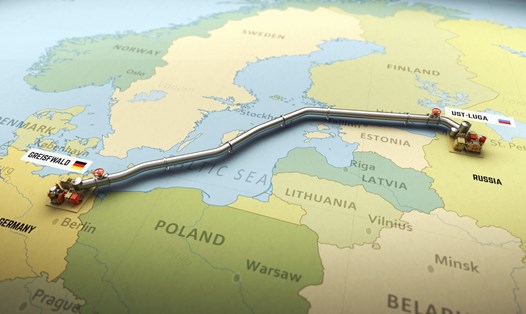
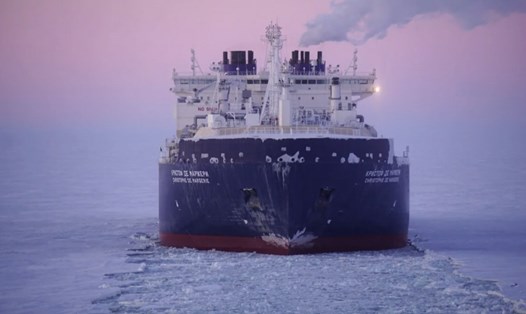
Nếu dự trữ khí đốt bị giữ lại, vì bất cứ lý do gì, thì EU chỉ còn một nguồn cung cấp hàng ngày đến từ các tàu chở khí tự nhiên hóa lỏng (LNG) từ Mỹ, Qatar, hoặc bằng đường ống từ Na Uy và Bắc Phi.
Bất kỳ lời kêu gọi nào nhằm bổ sung khối lượng hàng ngày đều có thể dẫn đến khả năng tăng giá trở lại sau một đợt giảm nhẹ, khiến hóa đơn năng lượng sẽ ở mức đáng kinh ngạc trên khắp Châu Âu.
Chi phí để đảm bảo dự trữ khí đốt của Châu Âu trong năm nay lên tới hàng chục tỉ euro. Mặc dù các thương nhân thường bán khí đốt ngay sau khi mua - để phòng ngừa rủi ro - họ vẫn có thể bị lỗ do chênh lệch giá. Điều này đặc biệt nghiêm trọng đối với các công ty tiện ích và thương nhân phụ thuộc nhiều vào các hợp đồng dài hạn với Nga - quốc gia đã đáp ứng 20% nhu cầu khí đốt của EU vào mùa đông năm ngoái.
Nỗi đau của Đức
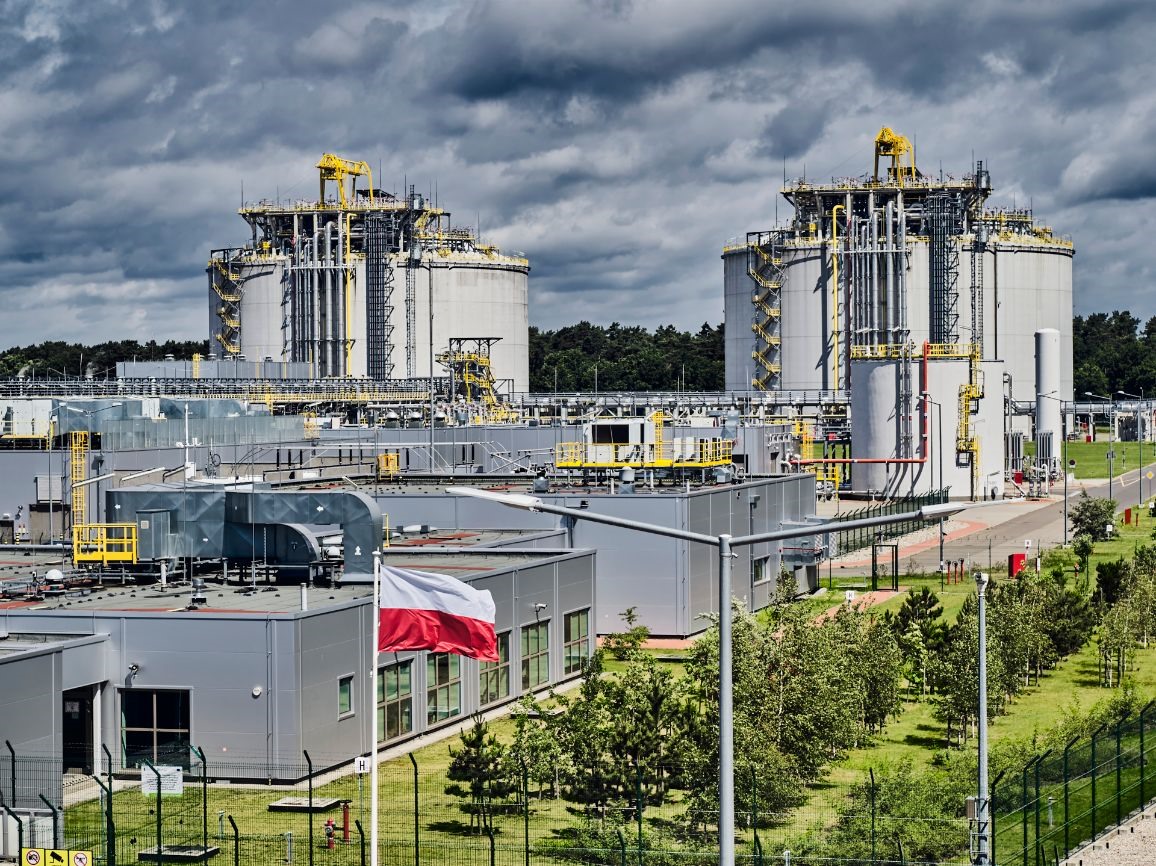
Châu Âu đã tăng cường lưu trữ khí đốt, tuy nhiên chỉ có khoảng 10% lượng khí dự trữ của Châu Âu được coi là dự trữ quốc gia - theo dữ liệu của Bloomberg.
Trong khi đó, nhiều công ty sử dụng viện trợ của nhà nước, đặc biệt là ở Đức, đã tăng cường mua khí đốt dự trữ trong mùa hè vừa qua. Chính phủ Đức đã chi tới 15 tỉ euro cho Trading Hub Europe - công ty quản lý thị trường khí đốt của Đức - mua khí đốt dự trữ. Công ty này đã mua lượng khí đốt khoảng 60 terawatt giờ, tương đương với khoảng 25% công suất lưu trữ của cả nước.
Để tránh rủi ro về nguồn cung, các chính phủ cũng có thể tìm cách ban bố tình trạng khẩn cấp. Trong trường hợp này, Đức và các quốc gia khác sẽ có quyền ra lệnh xuất kho dự trữ.
Đức đã thông qua luật về các chỉ tiêu dự trữ khí đốt. Nước này đạt mục tiêu 95% đến ngày 1.11 và yêu cầu mức 40% đến ngày 1.2. Các cơ sở dự trữ có nguy cơ bị phạt nếu không đáp ứng được các mức đó.
Khoảng lặng trước cơn bão
Các hợp đồng tương lai đã mất khoảng 70% giá trị so với mức đỉnh của tháng 8 do tháng 10 thời tiết ấm áp bất thường - khiến nhu cầu chậm lại và chưa cần dùng đến dự trữ. Ngoài ra còn có nhiều nguồn LNG. Châu Âu thậm chí còn phải đối mặt với tình trạng dư thừa khí đốt tạm thời. Nhưng châu lục này cần phải giữ mức giá cao hơn so với Châu Á để giành chiến thắng trong cuộc cạnh tranh về LNG.
Mặc dù hiện tại mức giá khí đốt đã giảm, nhưng hầu hết giới chuyên gia tin rằng giá tăng trở lại chỉ là vấn đề thời điểm.
Theo dự báo thời tiết, nhiệt độ dự kiến sẽ giảm nhẹ dưới mức bình thường vào giữa tháng 11.
Nhà phân tích Stefan Ulrich của BloombergNEF cho biết, thời tiết lạnh giá, nhu cầu tăng hoặc nguồn cung LNG dưới mức kỳ vọng có thể khiến giá quay trở lại mức cao hơn.