
Gấp đôi đường hầm dẫn nước dài nhất thế giới hiện tại
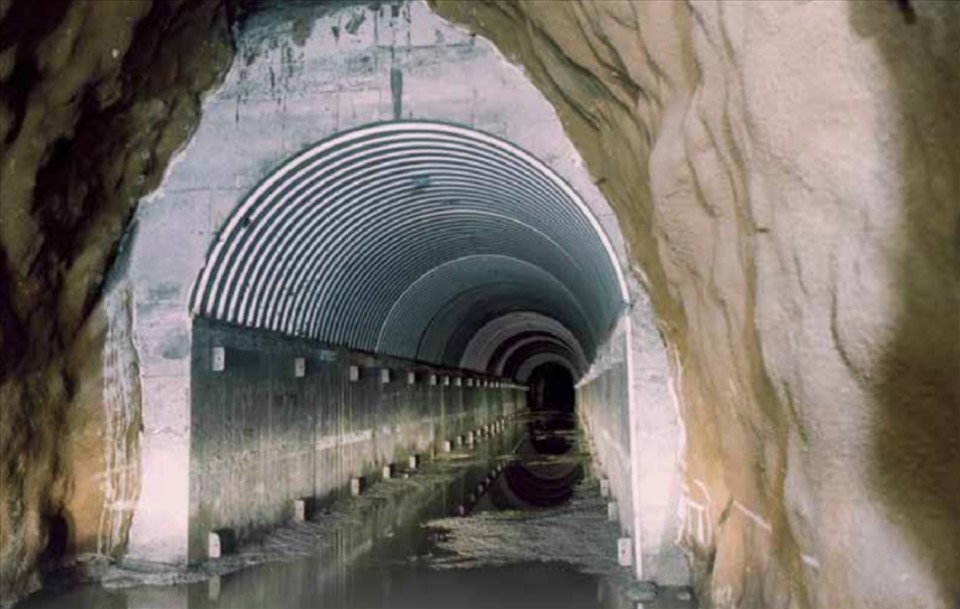
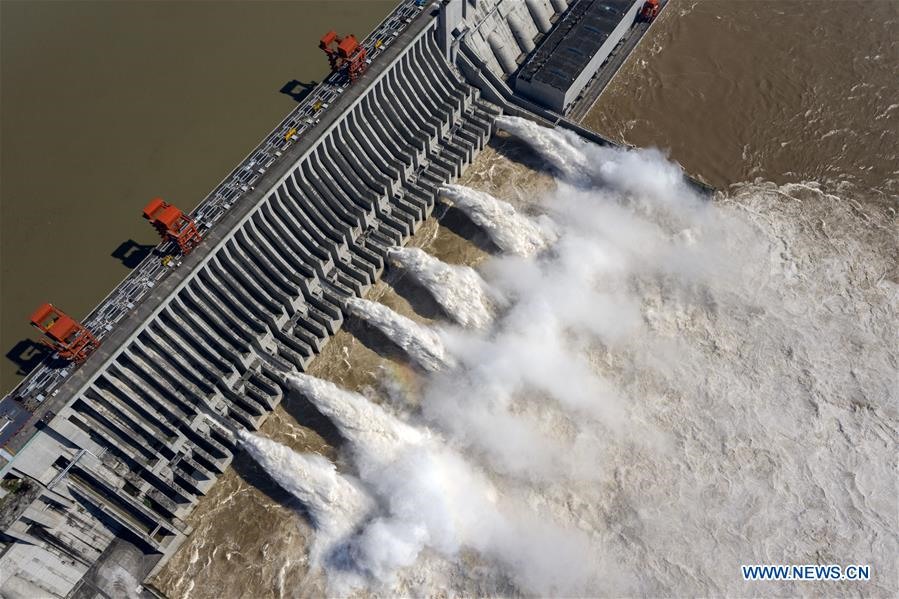
Đường hầm Yinjiangbuhan (Dẫn Giang Bổ Hán) sẽ đưa nước từ đập Tam Hiệp lớn nhất thế giới ra sông Hán Giang - một nhánh chính của sông Dương Tử (sông Trường Giang).
Đến hồ chứa Đan Giang Khẩu ở hạ lưu sông Hán Giang, nước sẽ chảy về phía bắc đến tận Bắc Kinh qua con kênh mở dài 1.400km của Dự án chuyển hướng nước Nam - Bắc (Nam thuỷ Bắc điều).
Päijänne - đường hầm dẫn nước dài nhất thế giới ở Phần Lan - trải dài 120km trong nền đá sâu 130m. Theo SCMP, đường hầm Yinjiangbuhan dài gấp đôi và nhiều phần sẽ đi sâu tới 1km dưới lòng đất.
Sẽ mất một thập kỷ và 60 tỉ nhân dân tệ (8,9 tỉ USD) để xây dựng đường hầm Yinjiangbuhan - theo một bài viết ngày 8.7 của Nhật báo Quang Minh có trụ sở tại Bắc Kinh.
Niu Xinqiang - Chủ tịch Viện Khảo sát, Quy hoạch, Thiết kế và Nghiên cứu Trường Giang - cho biết: “Yinjiangbuhan sẽ kết nối đập Tam Hiệp và Dự án chuyển hướng nước Nam - Bắc, hai cơ sở hạ tầng quan trọng của Trung Quốc”. Lễ khởi công diễn ra vào ngày 7.7.
Zhang Xiangwei - Vụ trưởng Vụ Kế hoạch, Bộ Thuỷ lợi Trung Quốc - cho biết Yinjiangbuhan là dự “án khởi đầu cho các dự án khác. “Sẽ có nhiều dự án tiếp theo để mở rộng và củng cố các mạng lưới cấp nước xương sống trên toàn quốc” - ông Zhang nói với Nhật báo Quang Minh.
Đầu tư vào hạ tầng quy mô lớn để kích thích tăng trưởng
Hệ thống thuỷ lợi của Trung Quốc được phân bổ không đồng đều. Khu vực miền Đông và miền Nam Trung Quốc thường xuyên bị lũ lụt, trong khi tình trạng thiếu nước đã hạn chế nghiêm trọng sự phát triển kinh tế và sản xuất lương thực ở các khu vực miền Tây và miền Bắc. Sự suy thoái của nền kinh tế do đại dịch đã thúc đẩy chính phủ đầu tư vào các dự án cơ sở hạ tầng quy mô lớn để kích thích tăng trưởng.
Liang Shumin - nhà nghiên cứu về kinh tế và phát triển của Học viện Khoa học Nông nghiệp Trung Quốc - cho biết tổng chiều dài của các đường hầm và kênh đang được xây dựng hoặc được lên kế hoạch dẫn nước ở Trung Quốc có thể lên tới gần 20.000km - tương đương khoảng cách của một chuyến đi khứ hồi từ Thượng Hải tới Seattle ở Mỹ.
Nhưng liệu những dự án này có nên được xây dựng hay không là chủ đề của cuộc tranh luận đang diễn ra, ông nói. Theo ước tính của Liang, các dự án sẽ tiêu tốn hơn 9.000 tỉ nhân dân tệ (1.330 tỉ USD) trong 30 năm tới, tương đương khoảng 8% GDP của Trung Quốc vào năm ngoái.
Nhưng cơ sở hạ tầng có thể nâng sản lượng lương thực hàng năm của Trung Quốc lên hơn 540 triệu tấn, gần bằng tổng sản lượng nông nghiệp hiện tại của Mỹ.
Trung Quốc đang sản xuất 660 triệu tấn lương thực mỗi năm, nhiều hơn bất kỳ quốc gia nào trên thế giới. Nhưng để đáp ứng mức sống ngày càng cao của 1,4 tỉ người dân Trung Quốc, quốc gia này nhập khẩu hơn 100 triệu tấn ngũ cốc mỗi năm.
Theo Liang, cơ sở hạ tầng dẫn nước mới có thể biến gần 750.000km2 đất hoang vu - lớn hơn diện tích của Chile - thành những trang trại thích hợp để trồng lúa mì, lúa, ngô, đậu và các loại cây trồng khác.
Liang cho hay, trong bối cảnh tốc độ tăng trưởng tiêu thụ lương thực sẽ chậm lại trong tương lai (do dân số giảm), Trung Quốc có thể trở thành nước xuất khẩu ròng ngũ cốc và hạt có dầu vào năm 2043. Và sau năm 2050, khối lượng lương thực xuất khẩu ròng hàng năm có thể đạt hơn 100 triệu tấn.
Theo một số nhà khoa học, cơ sở hạ tầng tái phân phối nước khổng lồ này có thể làm thay đổi cảnh quan của Trung Quốc.
Ví dụ, Dự án chuyển hướng nước từ Nam sang Bắc đã đưa 54 tỉ mét khối nước từ khu vực sông Dương Tử để đáp ứng nhu cầu của hơn 140 triệu người ở miền Bắc Trung Quốc kể từ khi bắt đầu hoạt động vào năm 2014 - gần bằng số lượng của nước trong toàn bộ sông Hoàng Hà.
Điều này dẫn đến những thay đổi gần như ngay lập tức, tuy nhiên một số thay đổi hoàn toàn bất ngờ. Tại một vài thành phố như Hình Đài, nước ngầm dâng cao đến mức tràn vào một số bãi đậu xe và hầm trú ẩn dưới lòng đất.
Các dự án nhất thế giới ở Trung Quốc
Theo các nhà khoa học tham gia dự án, Trung Quốc đang xây dựng đường hầm dài nhất thế giới ở Tân Cương với hơn 20 máy khoan đường hầm - số lượng máy khoan lớn nhất hành tinh hoạt động đồng thời.
Ngoài ra, Trung Quốc còn có một kế hoạch chuyển hướng nước tuyết tan từ Tây Tạng cao nguyên đến sa mạc Gobi và Taklamakan.
“Đây là nỗ lực kỹ thuật thuỷ lợi lớn nhất trong lịch sử loài người. Hiệu quả tổng thể và tác động môi trường của các dự án này phần lớn vẫn chưa được biết đến” - một nhà địa chất học ở Bắc Kinh cho biết.
Nhiều dự án dẫn nước này, bao gồm cả đường hầm Yinjiangbuhan, phải đi qua một số địa hình khó khăn nhất trên Trái đất.
Các kỹ sư và công nhân đào hầm phải đối mặt với một danh sách dài các thách thức, bao gồm áp suất nén trong đá sâu, vùng đứt gãy hoạt động, lũ lụt và nhiệt mà ngay cả máy móc cũng không thể chịu được.
Nhưng Yang Qigui - nhà khoa học chính của Viện Khảo sát, Quy hoạch, Thiết kế và Nghiên cứu Trường Giang ở Vũ Hán - cho biết Trung Quốc đã giải quyết hầu hết các vấn đề kỹ thuật này với một số lượng lớn các cải tiến kỹ thuật đạt được trong 5 năm qua.
Ví dụ, Trung Quốc đã sử dụng trí tuệ nhân tạo trong hầu hết các đường hầm dẫn nước được xây dựng gần đây, từ lập kế hoạch dự án, xây dựng và kiểm soát chất lượng cho đến hoạt động lâu dài.
Theo nhóm của Yang, một số đường hầm dẫn nước của Trung Quốc đang được xây dựng ở phía tây Gobi hoặc Himalaya đã lên tới gần 300km và sâu hơn 2km.


