
In the context of the Resolution of the 14th Party Congress identifying culture and people as the most important endogenetic resource of development, the field of performing arts - especially ballet - is facing a new opportunity to transform itself.
The orientations emphasizing the development of the cultural industry, improving the quality of art and caring for the team of artists not only open up expectations for a dynamic creative market, but also set requirements for fundamental changes in operating mechanisms and remuneration policies.
In recent years, the Vietnam National Opera & Ballet Theatre has shown proactively harmonizing with this trend.
A series of large-scale works such as "Thien Nga Lake" or "Do" are elaborately staged, clearly showing efforts to improve professional qualifications and approach international standards.
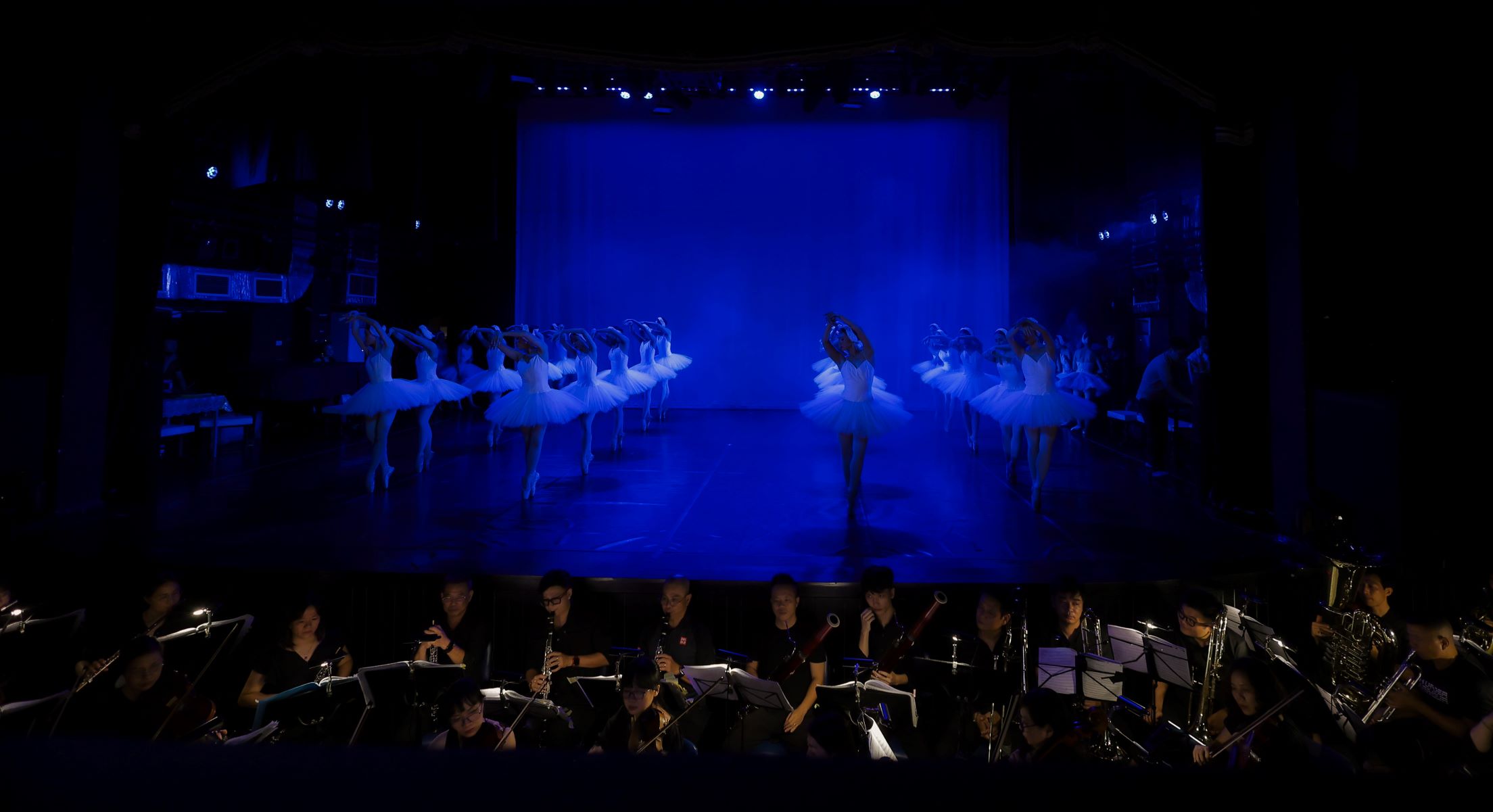
Not only stopping at technical elements, the plays also pay more attention to storytelling, stage art and audience experience - the core elements of the modern cultural industry.
According to Meritorious Artist Phan Luong - Head of the Ballet Troupe, Vietnam National Opera & Ballet Theater - the staging of a complete play usually takes 4 to 6 months, including the entire process from script construction, music composition, costume design to rehearsal.
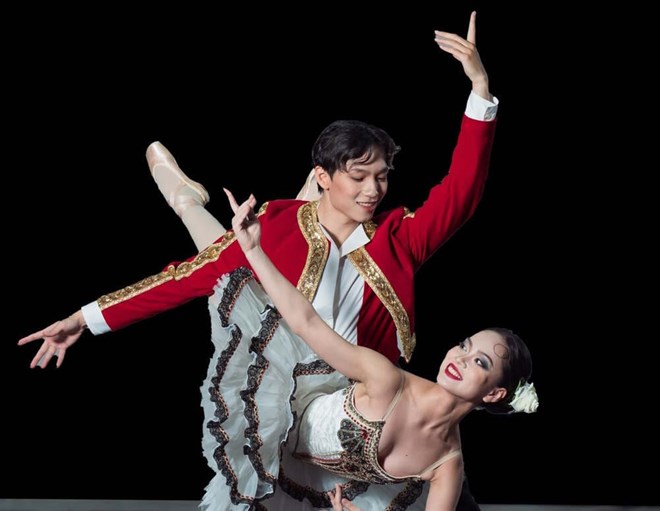
This is a series of artistic labor requiring high intensity and close inter-sectoral coordination. "Only when you have high professional qualifications can you create high-quality works," he emphasized, while saying that the theater is actively cooperating with businesses and promoting communication to expand the audience.
However, behind the artistic achievements is a reality of many concerns. Although the works are increasingly reaching higher standards, the lives of ballet artists are still facing many difficulties. Low income, high training pressure and short seniority are becoming barriers that make many young people hesitant to pursue this path.
According to sharing from Artist Phan Luong, the remuneration for each performance currently only ranges from 250,000 to 500,000 VND, while the duration can last up to several hours with high intensity of exercise.
A lot of effort and brainpower is put in, but training is too little," he said. Basic salary based on coefficients is also not enough to ensure life, causing many artists to find extra jobs outside or leave the profession.
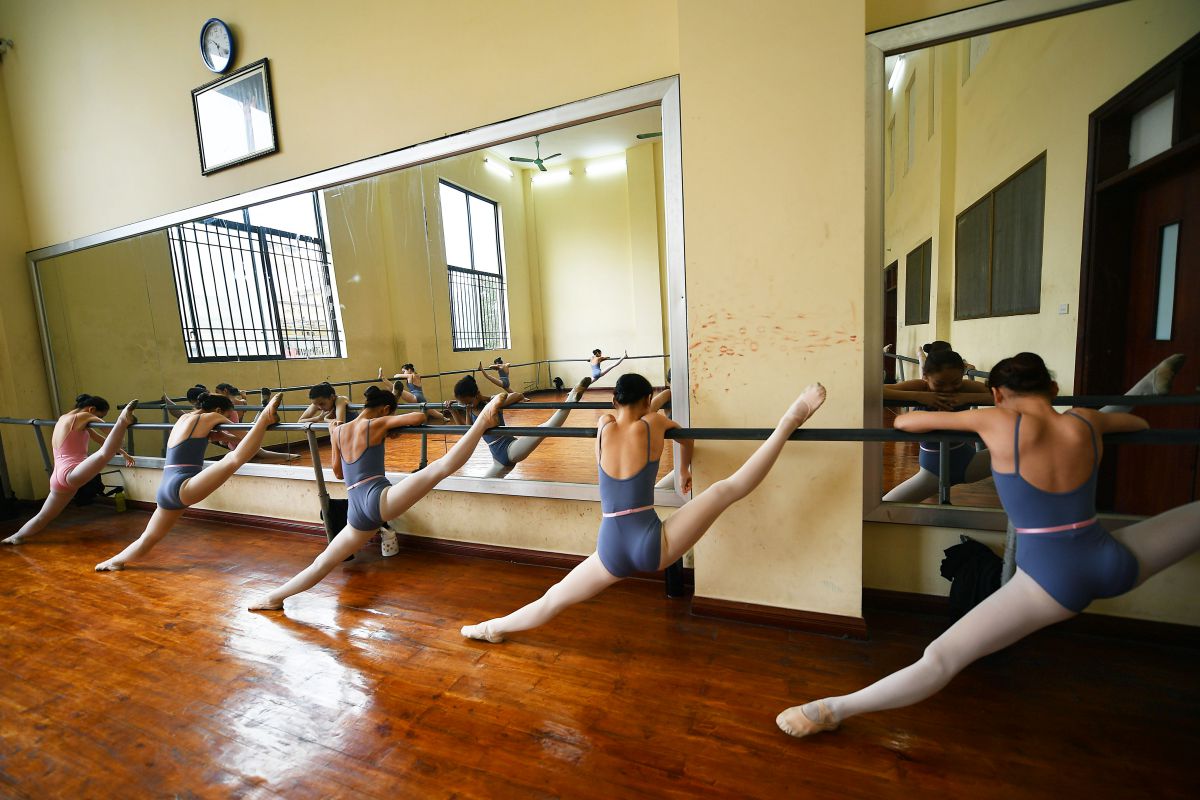
Another specific difficulty is the short seniority. With ballet - a type that requires high physical strength and technique - many artists can only perform top-notch performances until about 30-35 years old. After that, career change lacks a clear orientation. Support mechanisms for switching to teaching, management or other positions in the art ecosystem are still not really synchronized.
The consequence is an increasingly obvious shortage of human resources. When implementing large projects, the theater is forced to "borrow" more actors from training units or outside, causing difficulties in ensuring progress and training quality. This is a noteworthy paradox: art can reach its peak performance, but professionals cannot live on it.
In that context, the Resolution of the XIV Congress is expected to create a turning point. Focusing on the development of the cultural industry not only expands the creative space but also promotes the formation of a professional art market, where the labor value of artists is properly valued.
At the same time, policies prioritizing training, supporting specialized artists and innovating cultural institutions, if effectively implemented, will contribute to solving long-standing "bottlenecks".
Before the National Conference to study, study, thoroughly grasp and implement the Resolution of the 14th Party Congress for press and publishing agencies and representatives of artists and intellectuals scheduled to be held on April 8, 2026, many artists expressed clear expectations.

Artist Phan Luong said that this is a "very important motivation" for the team of artists, especially young artists, to be assured of their long-term contributions. "If these policies become reality, they will certainly create a strong development step for the field of academic art," he assessed.
From practical activities, artists also proposed a number of specific policy directions.
First of all, it is to improve the remuneration regime, including increasing performance remuneration, adjusting basic salaries and building a revenue mechanism linked to the market.
The second is to establish a clear career change roadmap for artists after the age of performing, through retraining programs and job connections in the fields of education and cultural management.
In addition, it is necessary to increase investment in training and aesthetic education from an early age. Bringing knowledge about ballet, symphony or academic arts into schools will contribute to forming a new generation of audiences - a key factor for market development.
Finally, promoting public-private partnerships and digital transformation in promoting and distributing art products will help expand the access space, bringing ballet closer to the public.
It can be seen that Vietnamese ballet is facing an important turning point. When the policy orientation is clear, what remains is the speed and effectiveness of implementation.
If the problem of people - from training, remuneration to career development - is solved, the progress in art in the past time will not only stop at individual achievements, but may become the foundation for a truly sustainable cultural industry.


