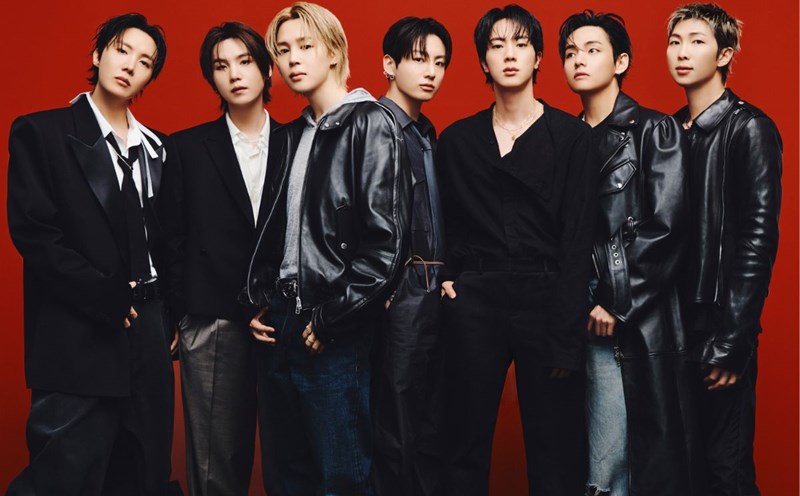
According to Korean media, the global group BTS once again became the focus of discussion - not because of their comeback or musical achievements on the charts, but because of a debate in the fan community with the question: "has the group's signature "sharp dance like a knife" disappeared?
Once defined by explosive, high-synchronous performances in songs such as "DNA", "Fire", "I need u", "Not today", "On", BTS built their global identity based on a strong stage presence and precise group dance to every detail.
These stages are not only music performances but also "cultural imprints", contributing to bringing Kpop to the world.
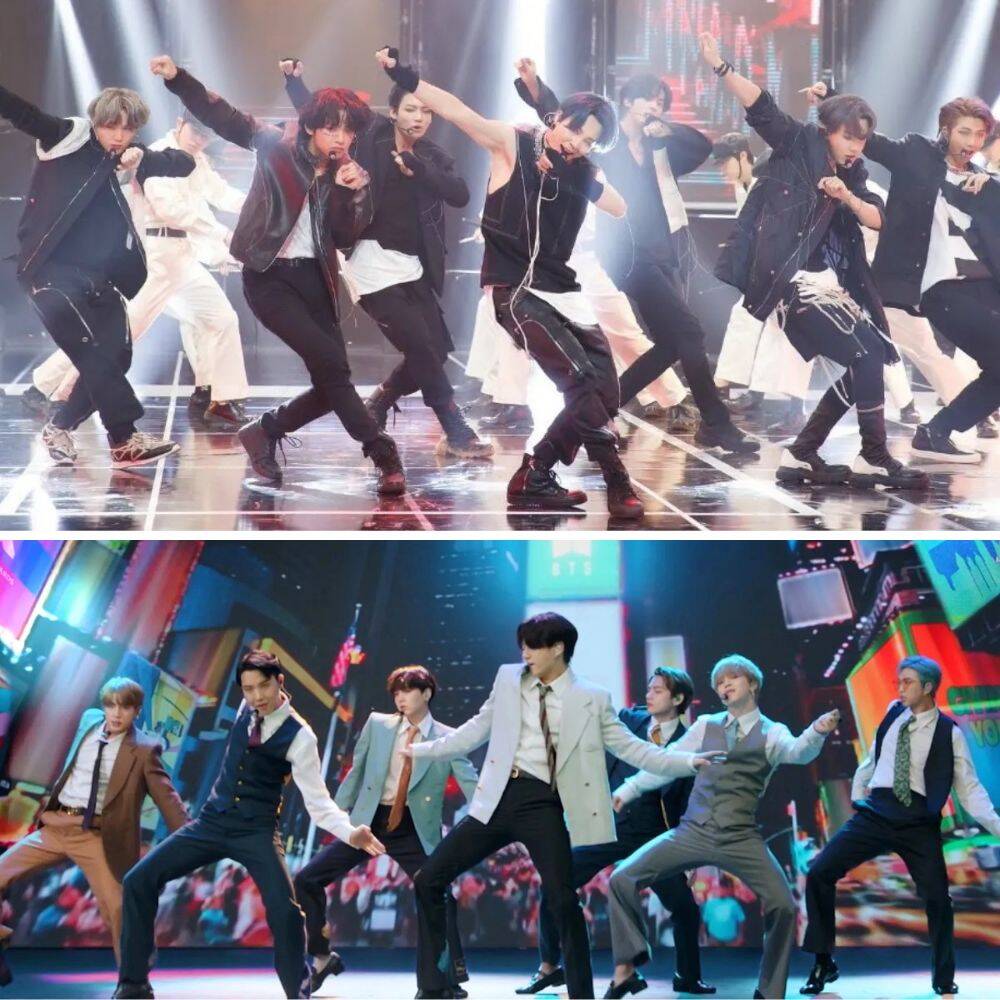
However, the group's recent products and performances, including gentle songs like "Swim", have shown a clear change in style.
Some critics and fans believe that BTS is leaning more towards international pop, with thicker English lyrics and reduced focus on high-intensity dance.
According to a person in the music industry, BTS's new direction shows clear artistic efforts, but also comes with a trade-off, which is the loss of the stage explosion element that was once the group's mark.
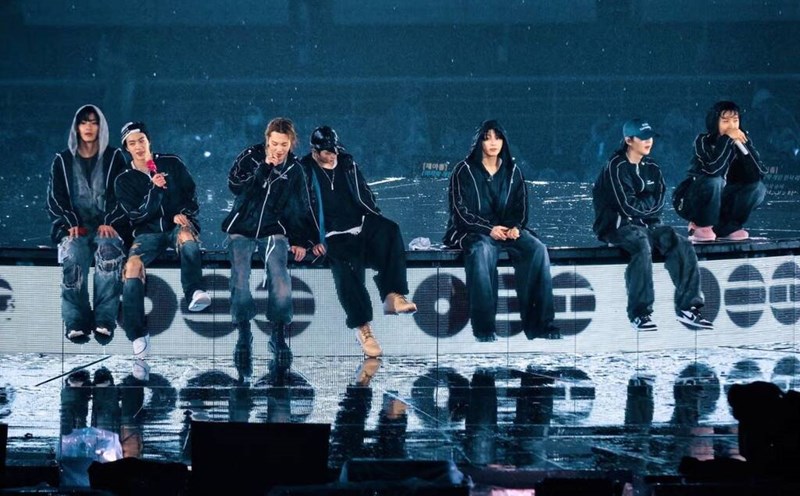
This reaction was immediately shown in the recent "Arirang" concert at Goyang Stadium (Korea), when the audience's energy was said to reach its peak not in new songs, but in performances with familiar synchronous dances of BTS.
The audience reacted most strongly when sharp and uniformly moving teams returned to the stage, showing emotional attachment to the previous performance style.
Another new song, "Body to body", also caused controversy. Although the song itself was highly appreciated for its sound, many fans expressed disappointment because there was no official dance video or content focused on performance, making the experience considered "not complete".
As BTS prepares for a large-scale world tour, the question is whether this changing performance style can maintain its global influence as before.
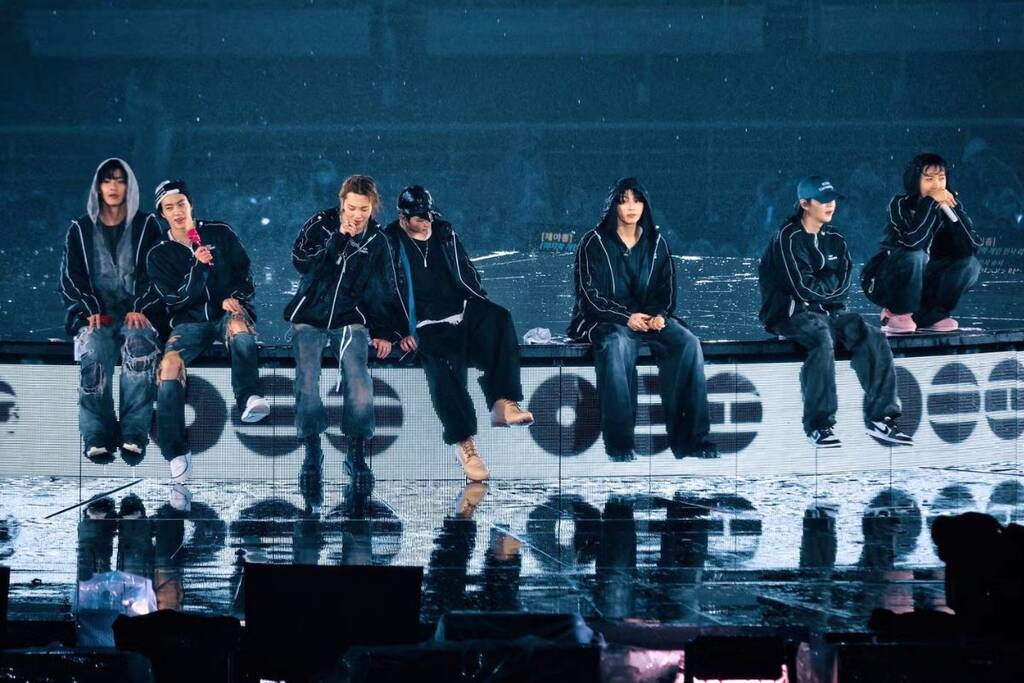
Although the gentle style helps BTS expand their musical color and attract a wider international audience, some fans worry that the group's core strength - precise choreography and stage energy - is gradually fading.
Even in the new album, some songs still have choreography, but according to observations, the intensity and visual effects are no longer as prominent as in the previous period.
The nature of the debate is not that BTS has "declined", but whether they are changing too far from the identity that once made them a global icon or not.
Fans still show strong emotional attachment to the group's performance heritage, showing that dance is still the key factor that makes up BTS's unique appeal on stage.