In the history of April Fool's Day pranks, "Lion Wash at the Tower of London" has long been considered one of the most classic and long-standing tricks.
Not only causing curiosity because of the bizarre idea, this joke also shows how people are easily drawn into seemingly reasonable but completely untrue stories.
According to documents compiled on the "Museum of Deception" by author Alex Boese - a website specializing in recording and analyzing famous deceptions and urban legends - "lion washing" has appeared very early.
A record in 1698 states that many people were tricked into flocking to the moat of the Tower of London to witness lions being baptized, although this event never existed.
A news report published on April 2, 1698 described "many people coming to see the lion washed", showing that the prank had spread and made many people believe it was true.
This is also considered one of the earliest evidences that April 1st has been associated with pranks in social life.
In essence, "lion washing" belongs to the type of "meaningless prank", that is, tricking victims into looking for an event or object that does not exist at all.
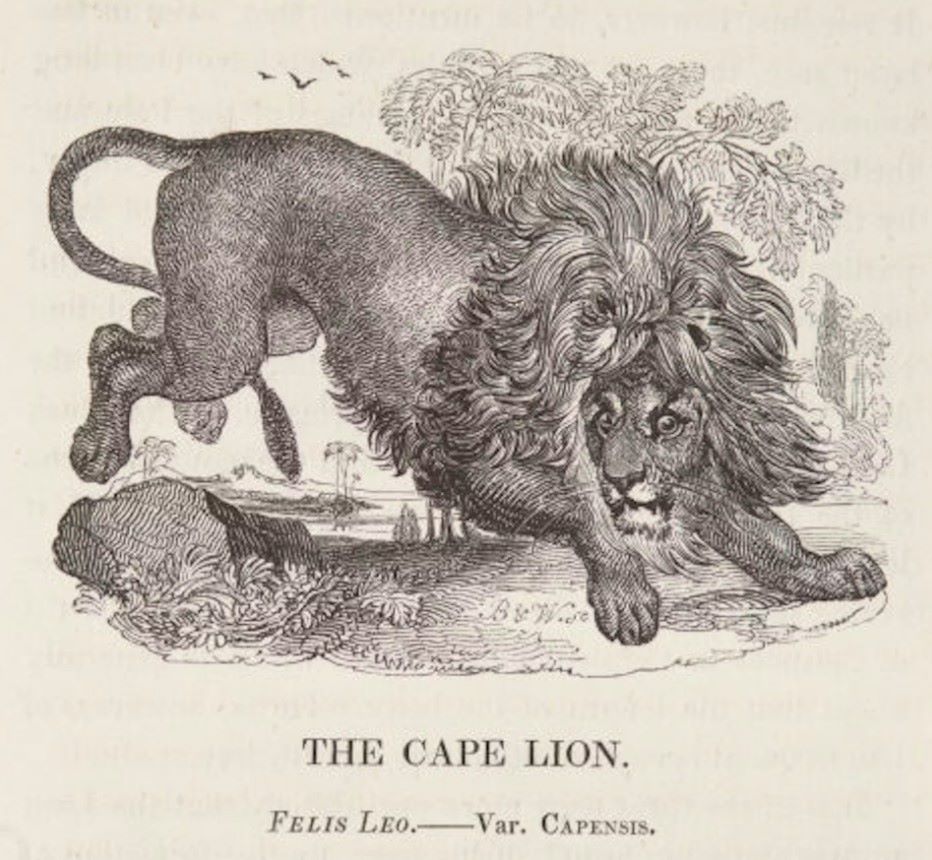
Initially, this game was simply a word of mouth about a strange ritual. However, over time, it gradually "upgraded" with more sophisticated and organized forms.
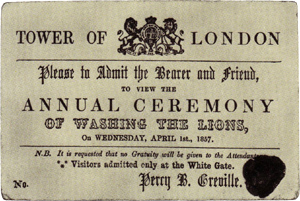
In the 18th and 19th centuries, pranks became popular in London. Fools began printing formal invitations, clearly stating the time, place, and even the name of the "official" in charge of the ceremony.
Some versions also require participants to go to "White Gate" - a gate that does not exist in the London Tower campus.
The peak of this scam took place in the mid-19th century, when a series of people carrying "invitation tickets" flocked to the Tower of London on April 1.
From the initial excitement, the crowd quickly turned into anger when they realized they had been deceived. The guard force at that time had to struggle to explain, and at times the situation became tense.
The success of the prank is not accidental. For centuries, the Tower of London has been a breeding ground for rare animals such as lions, elephants, and white bears.
This real factor has made the story of a "lion washing ritual" reasonable in the eyes of the public, thereby easily deceiving those who are not vigilant.
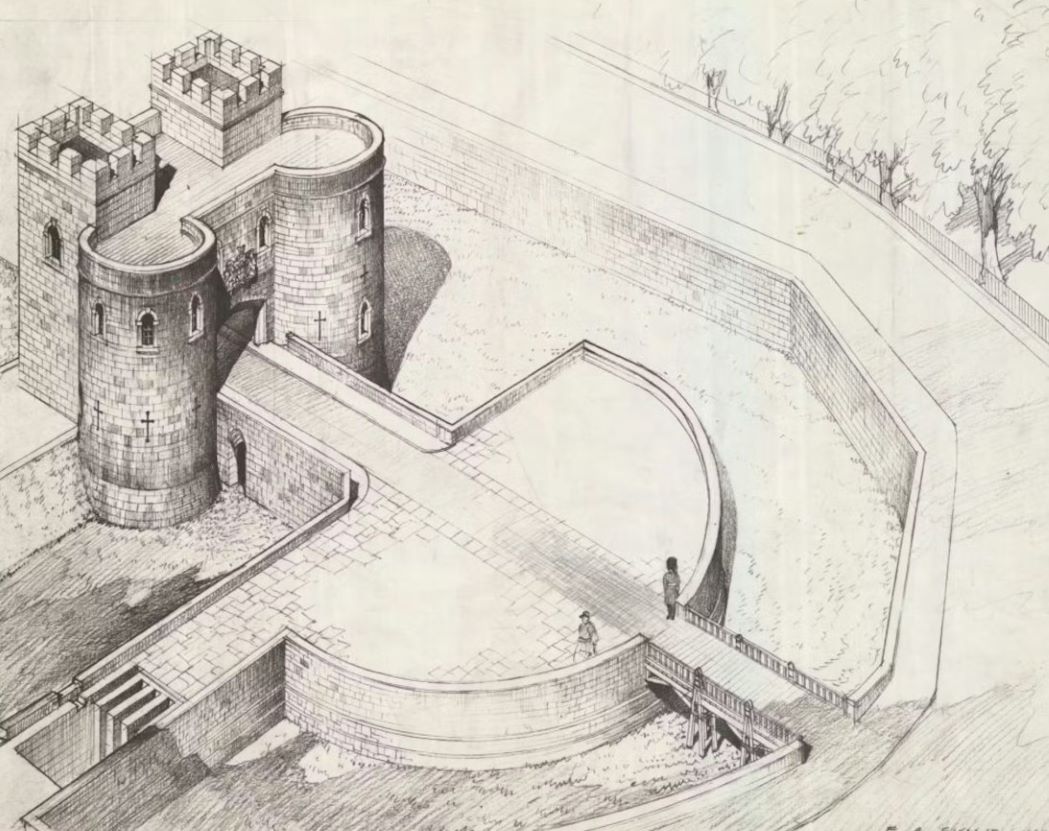
When the zoo at the Tower of London was dissolved in the 19th century, the prank did not disappear but continued to transform to suit the new context.
Instead of luring people to the tower, the pranksters switched to selling fake tickets to the zoo to watch the "animal parade".
In 1866, hundreds of people flocked to the London Zoo hoping to witness the event, before realizing they had become victims of the April Fools game.
Moving into modern times, this prank even appears in a new form through the phone. Victims are lured to call the zoo to meet staff with names like "Al Gator", "Anna Conda" or "Jim Panzie" - in fact, it's just a word game referring to animals.
Therefore, every April 1st, zoo staff often receive a series of teasing calls.
Although the form changes over time, the nature of the "lion wash" game remains unchanged: hitting people's curiosity and belief. After more than three centuries, this trick still proves its sustainable vitality, becoming a typical example of seemingly simple jokes but capable of "deceiving" crowds on April Fool's Day.