
Poor people don't raise horses
The Mong people in the Ky Son border area (old), Nghe An province once considered horses as a great asset of each family. Mr. Ly Pa Cho - former Chairman of Muong Long Commune People's Committee - said that not every family has enough conditions to buy a good horse. The cost of building stables, caring for and raising them is not small. Therefore, folk wisdom says: "Rich people don't raise ducks/poor people don't raise horses".
According to Mr. Mua A Po - who used to be a horse trader from Nam Can International Border Gate to Muong Xen - choosing horses also has its own standards.
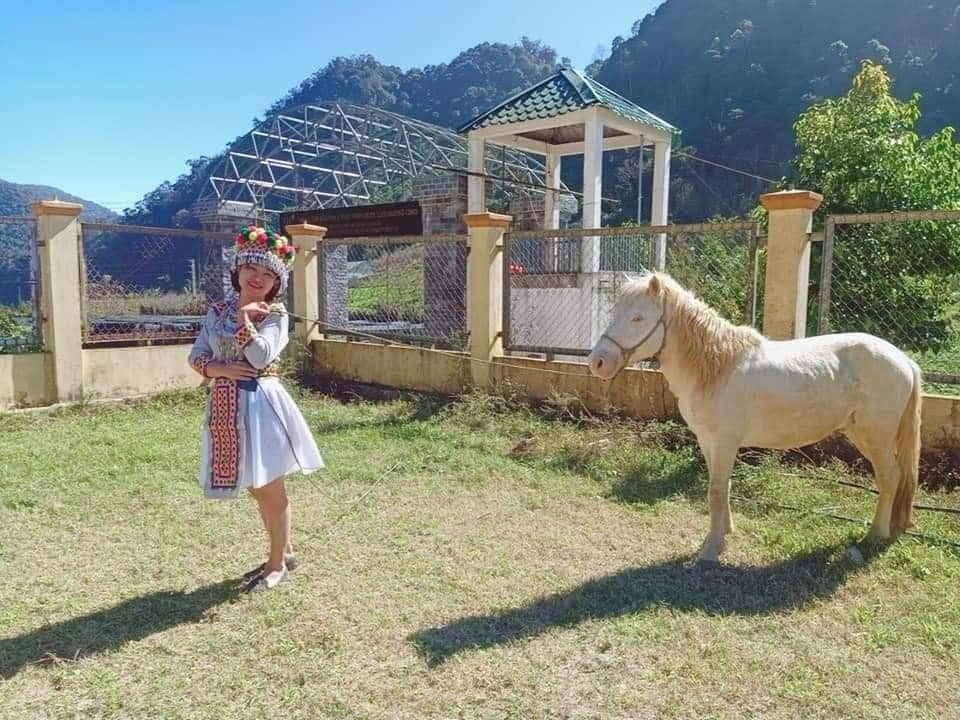
Good horses must have even whirlpools on the neck, back, and standard height. Racehorses need to meet the criteria of "four túc mai hoa", long strides, small calves, slender belly, and even four hooves; when galloping, the two hind legs must overcome the front hooves. Pulling horses should not have whirlpools on the chest and forehead, and the hooves should be clustered instead of spread out.
When transportation infrastructure was not developed, horses were the most effective means of transportation and transportation on steep, dangerous roads. The Mong horse breed in Ky Son is not tall but flexible, can withstand frost, and is familiar with steep slopes.
From bustling markets to roaming trips between villages, horses carrying chickens, ducks, corn, rice, vegetables, gourds, pumpkins from distant fields to home. The horse accompanies the Mong people like a soulmate, becoming a symbol of perseverance and resilience - typical qualities of the local community.
Gradually disappearing the sound of horse hooves at the gate of heaven
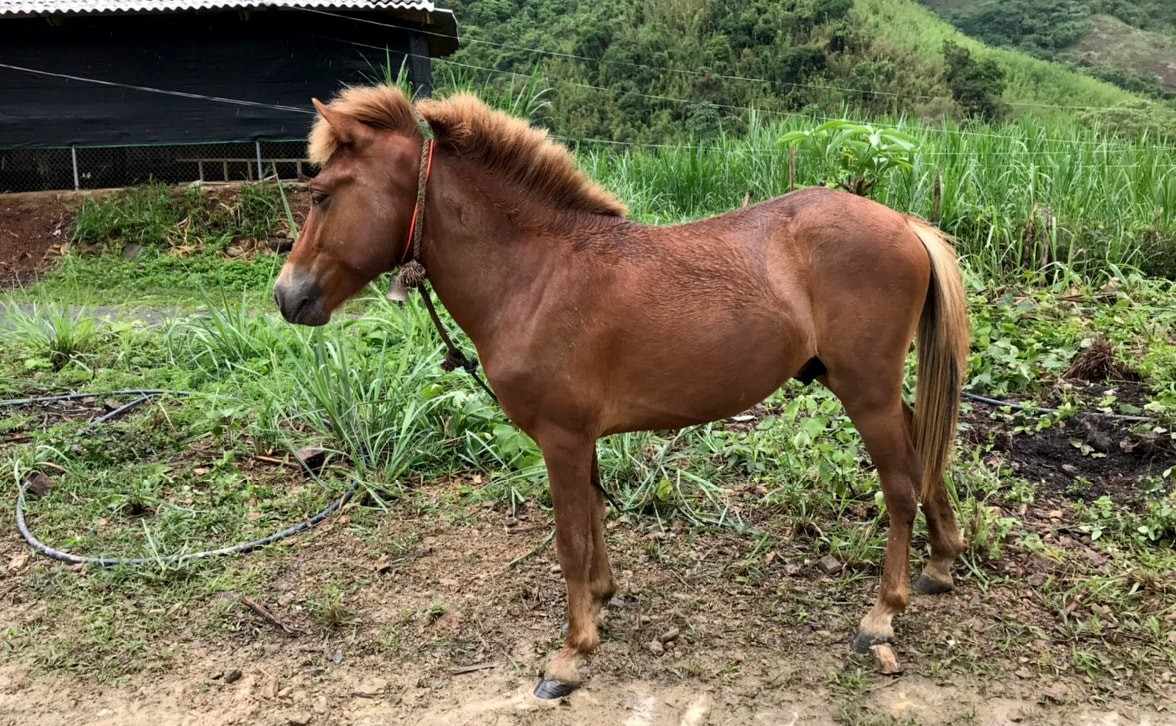
Previously, native horses were raised a lot in Muong Long commune, Ky Son district (old). However, the current number has decreased significantly. The risk of a precious horse breed disappearing in the "heaven's gate" area of Muong Long is present.
Muong Long horse is a native breed of Ky Son, raised for a long time in areas where Mong people live such as Muong Long, Huoi Tu, Na Ngoi... Among them, Muong Long was once the place with the largest number.
This horse breed has yellow, brown or black fur; average height 1.1 – 1.3 meters, weighs nearly 200 kg. They adapt well to cold climates, live at altitudes over 1,500 m above sea level, have few diseases, and are suitable for traditional farming methods of the Mong people.
However, according to Mr. Va Nhia Tu (Muong Long 1 village), previously due to difficult roads, people raised many horses to carry agricultural products from the fields to home. When transportation became more convenient, motorbikes and cars gradually replaced them, horse breeding was no longer common. Horses have weaker pulling power than buffaloes and cows; care is hard and difficult to tame, so people gradually stopped raising them.
According to statistics, the entire Muong Long commune currently has only a few dozen horses, scattered in Muong Long 1, Muong Long 2, Trung Tam villages... The price of an adult horse is about 10-20 million VND, not much different from buffaloes and cows, so the economic attractiveness is not high.
Faced with the risk of losing breeds, the Nghe An Center for Application of Scientific and Technological Advances has coordinated with the Institute of Animal Husbandry to implement the Muong Long horse conservation model. This is a precious horse breed, with good vitality and endurance, which needs to be preserved as a unique livestock gene source of the locality.
Currently, Muong Long is famous for its plum, peach and bright red rose gardens, becoming an attractive tourist destination of the mountainous region of Nghe An. The preservation of the native horse breed is not only scientifically significant but also contributes to creating a cultural and tourism highlight for the "heaven's gate" region.
In fact, the sound of horse hooves on the slopes has now gradually thinned out. Motorbikes and cars have crept all the way to the precarious villages on the mountaintops. The horse that has been associated with the Mong people for generations is gradually becoming a memory.
According to elders in the highlands of Nghe An, in the spiritual life of the Mong people, horses are not only pets but also have a special place. Horses are considered to have a soul, worshiped after death; symbolizing courage, strength and community cohesion. Therefore, at the end of the year, some clans and villages still organize horse soul worshiping ceremonies to show gratitude to this familiar animal.


