Stone horses over a hundred years old in Nguyen king's tomb

PHÚC ĐẠT - NGUYỄN LUÂN |

HUE - Stone horses were crafted more than a hundred years ago in the Nguyen Dynasty royal tombs.

Khi xưa, con ngựa được dùng để vua cưỡi, để đánh trận hay vận chuyển lương thực, hàng hóa cho triều đình nhà Nguyễn. Sau khi các vị vua băng hà, ngựa cũng được tạc tượng bằng đá, đặt phía trước sân bái đình của lăng vua và tồn tại cho đến ngày nay.
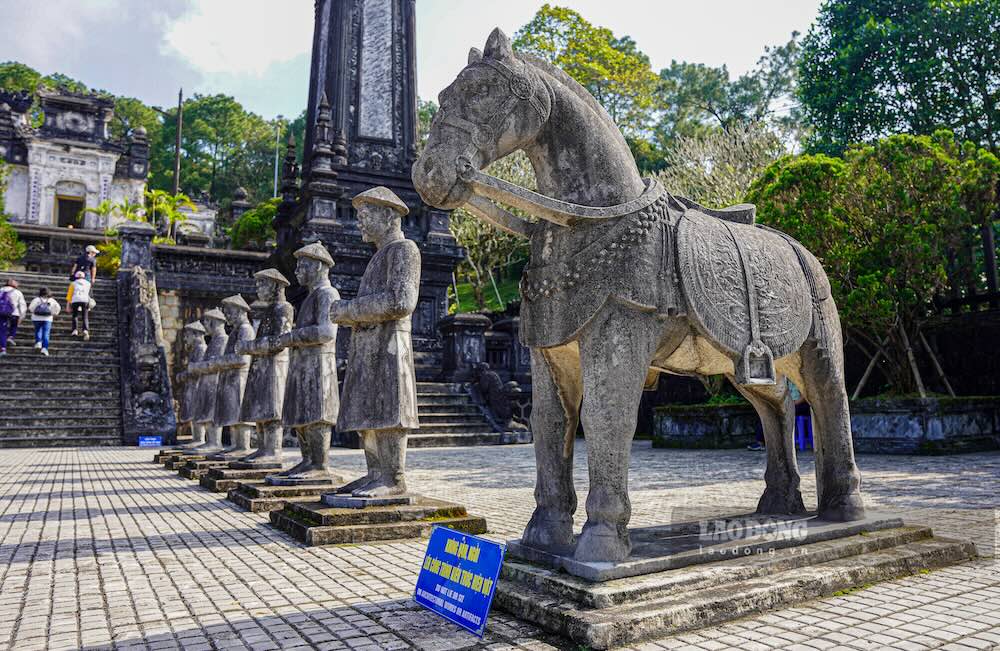
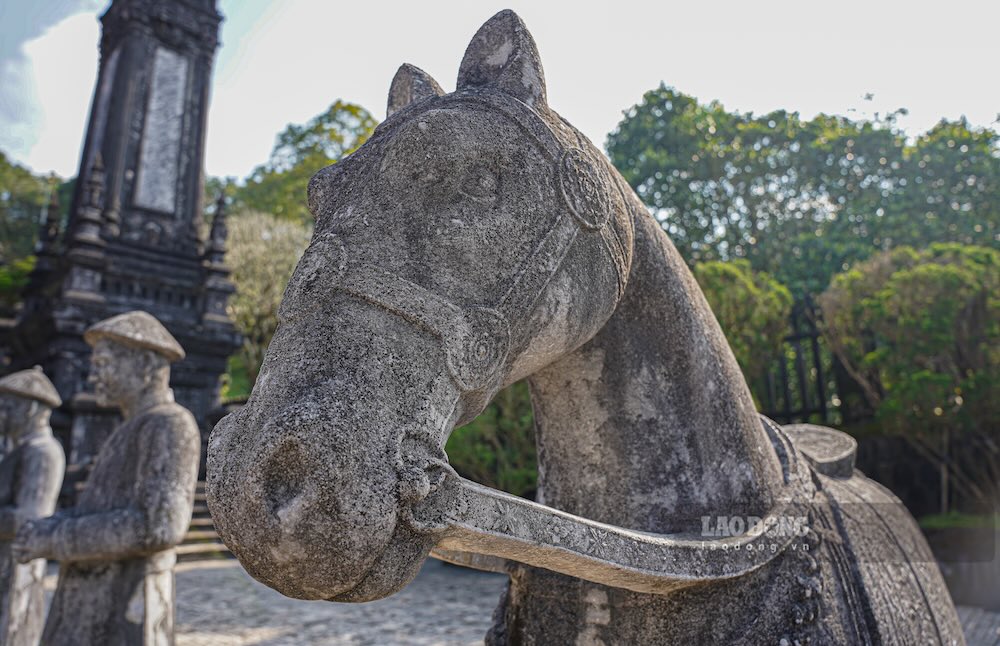
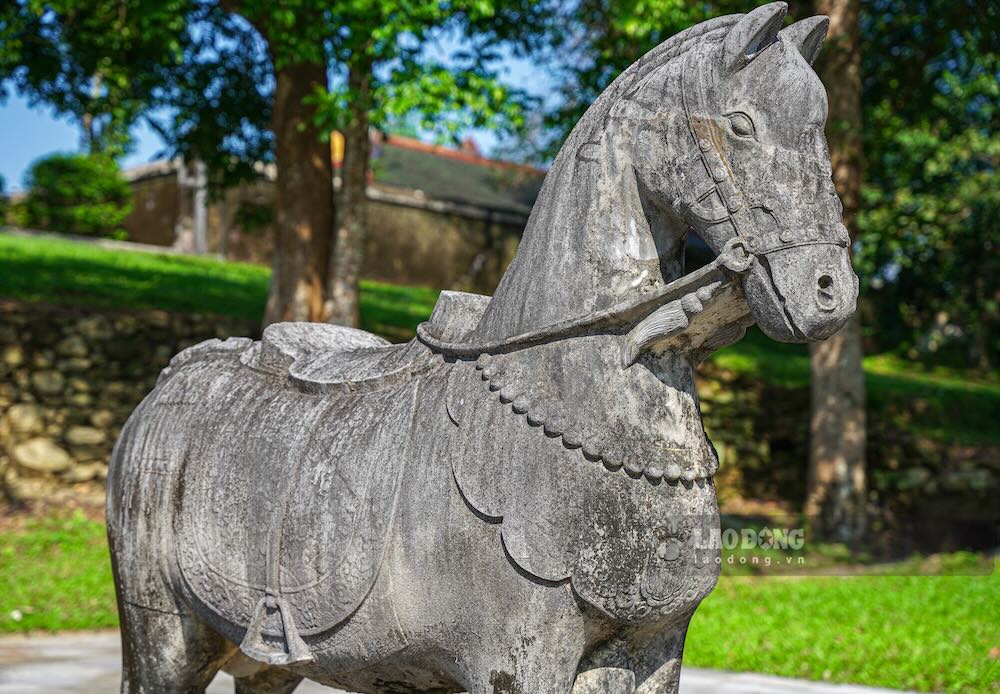
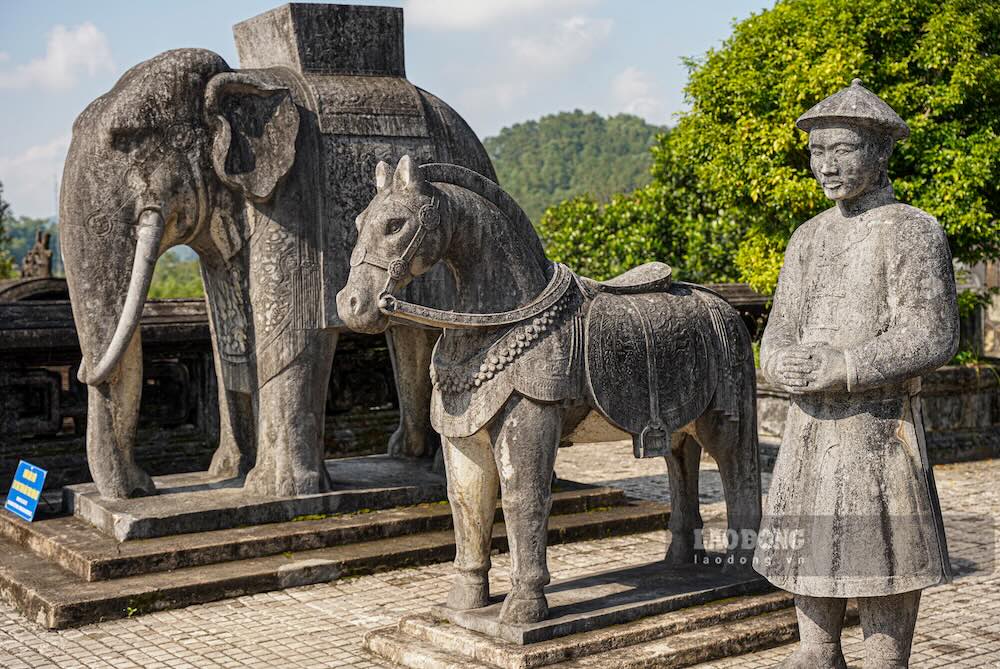
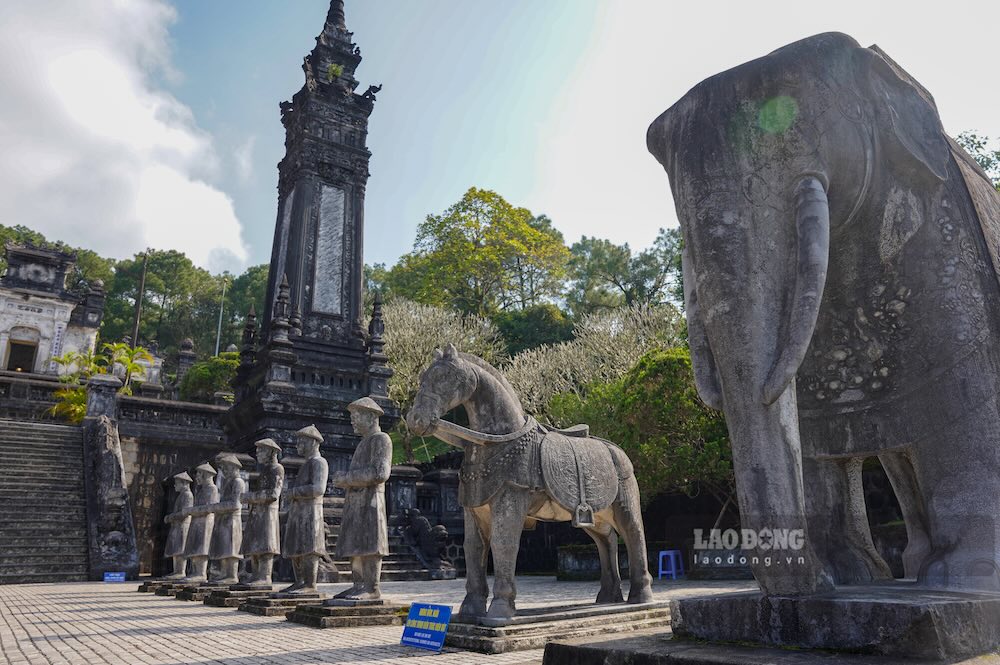
In the past, horses were used for kings to ride, to fight battles or transport food and goods for the Nguyen Dynasty court. After the kings passed away, horses were also carved with stone statues, placed in front of the courtyard of the king's tomb and have existed to this day (Image of a stone horse at King Khai Dinh's tomb, Hue City).
Ngựa đá xuất hiện tại hầu hết các lăng vua Nguyễn, đứng cùng voi đá và hàng quan triều đình cũng được tạc bằng đá.
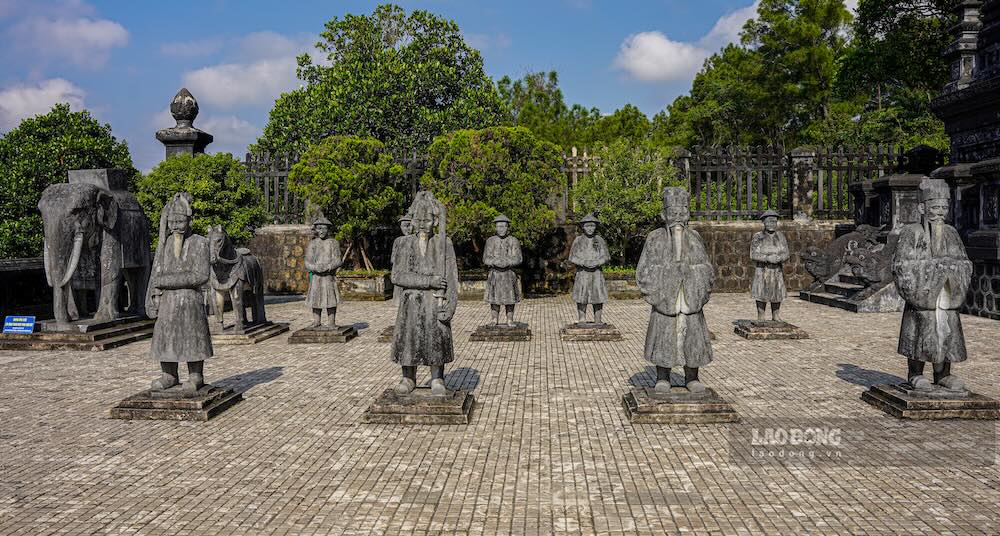
Stone horses appear in most Nguyen king mausoleums, standing with stone elephants and court officials also carved with stone.
Đây không phải là yếu tố trang trí đơn thuần, mà là một phần trong bố cục nghi lễ của cung đình. Khi đặt ngựa đá trước lăng, triều đình gửi gắm quan niệm về sự trung thành và sự phụng sự đối với nhà vua được kéo dài sang cả thế giới bên kia.
This is not a simple decorative element, but a part of the court's ritual arrangement. When placing stone horses in front of the tomb, the court sends the concept of loyalty and service to the king extended to the afterlife.
Điểm đáng chú ý là tạo hình ngựa đá ở Huế khá tiết chế. Ngựa không được thể hiện trong tư thế phi nhanh hay phô bày sức mạnh dữ dội, mà đứng thẳng, bốn chân trụ vững, đầu hơi cúi.
A noteworthy point is that the stone horse shape in Hue is quite restrained. The horse is not shown in a fast-flying or fiercely powerful posture, but stands upright, four legs firmly, head slightly bowed.
: Gương mặt ngựa không dữ, cũng không biểu cảm mạnh. Cách tạo hình này phù hợp với tinh thần thẩm mỹ của triều Nguyễn: cân bằng và có chiều sâu.
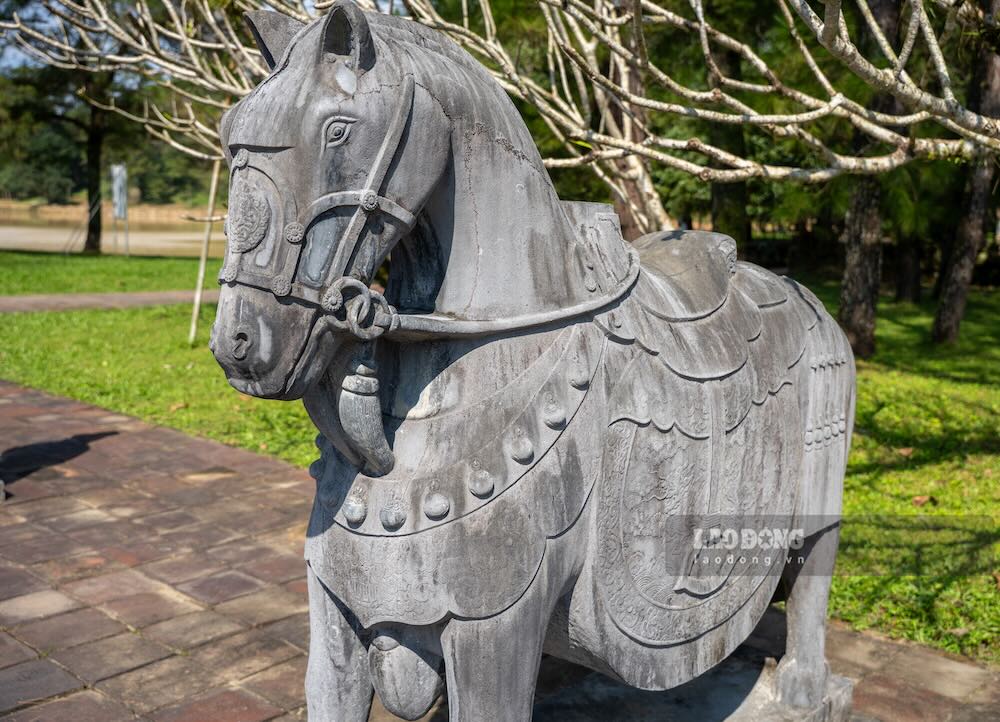
The horse's face is not fierce, nor is it expressively strong. This shaping method is in line with the aesthetic spirit of the Nguyen Dynasty: balanced and deep.
Do tuân thủ những nguyên tắc chung khi kiến tạo sơn lăng cho các bậc đế vương, lăng của các vua triều Nguyễn đều có bi đình và bái đình. Bi đình là nhà bia, nơi dựng bia ghi công đức của chủ nhân khu lăng; bái đình là sân chầu, nơi vua kế nhiệm cùng các đình thần văn võ đến bái lạy trong các dịp húy nhật, lễ kỵ. Đây cũng là không gian mà ngựa góp mặt.
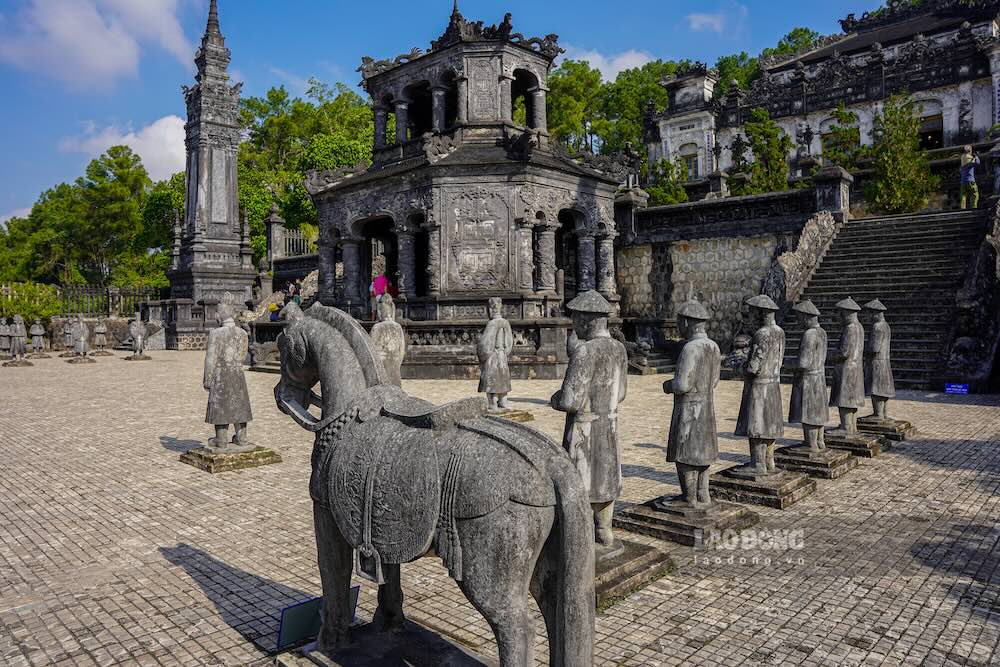
Due to compliance with general principles when building mountain tombs for emperors, the tombs of the Nguyen Dynasty kings all have tombs and worshiping communal houses. The tomb is a stele house, where the stele is erected to record the merits of the owner of the mausoleum area; the worshiping communal house is a courtyard, where the heir king and civil and military mandarins come to worship during festivals and feasts. This is also the space where horses participate.
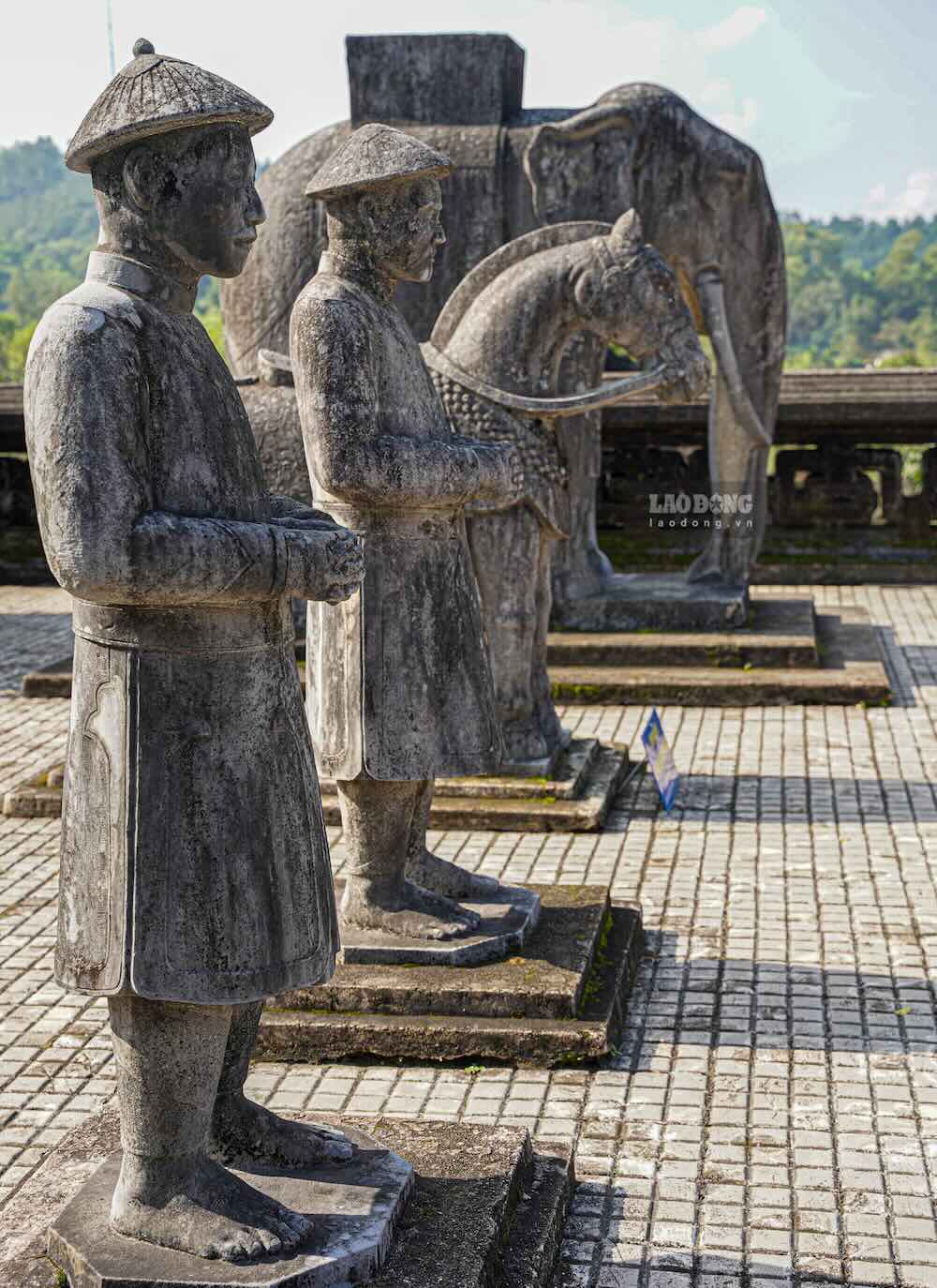
Mỗi bái đình đều có hai hàng tượng quan viên văn võ và voi, ngựa chầu hầu. Trong trật tự sắp đặt ấy, ngựa đứng ở bậc thứ ba, sau văn quan, võ quan và ngang với tượng voi.
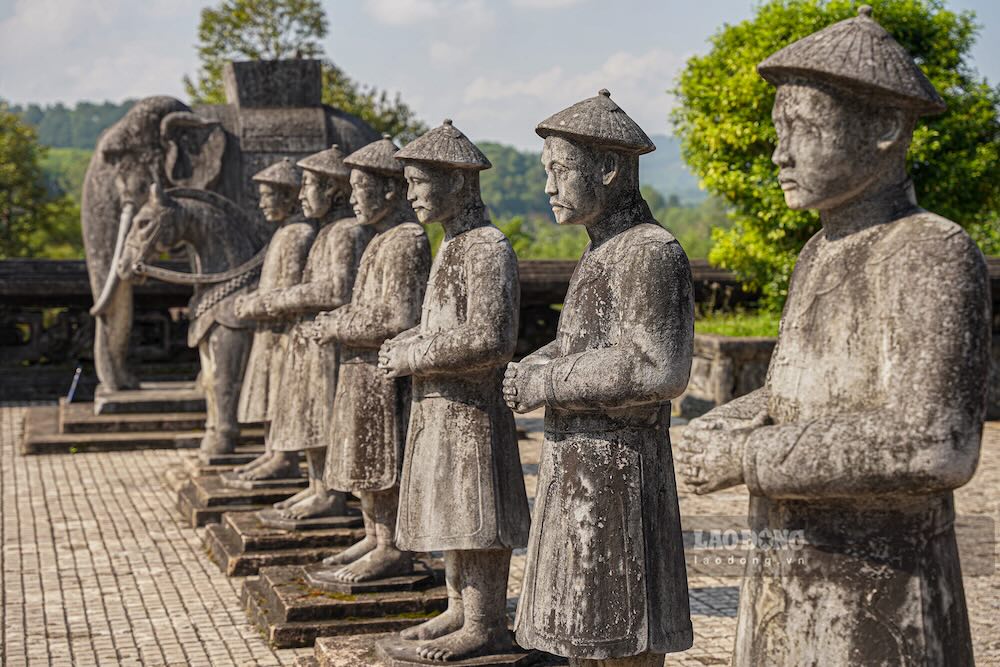
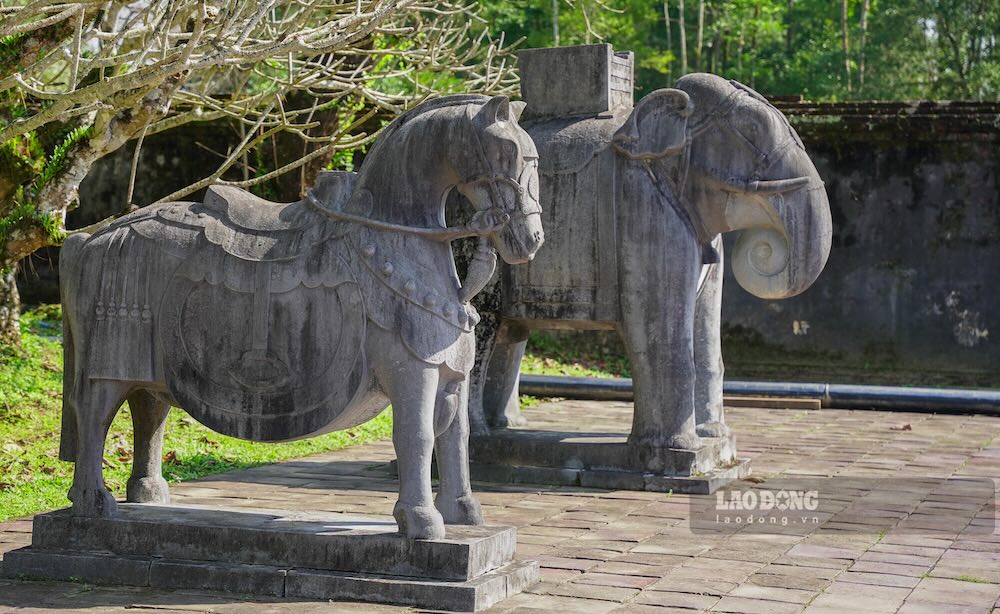
Each communal house has two rows of statues of civil and military officials and elephants and horses worshiping. In that order of arrangement, the horse stands on the third row, after the civil and military officials, and on par with the elephant statue.
Trên hình là ngựa đá ở lăng Minh Mạng, đứng cạnh là voi đá.
Stone horse at Minh Mang mausoleum, standing next to it is a stone elephant.
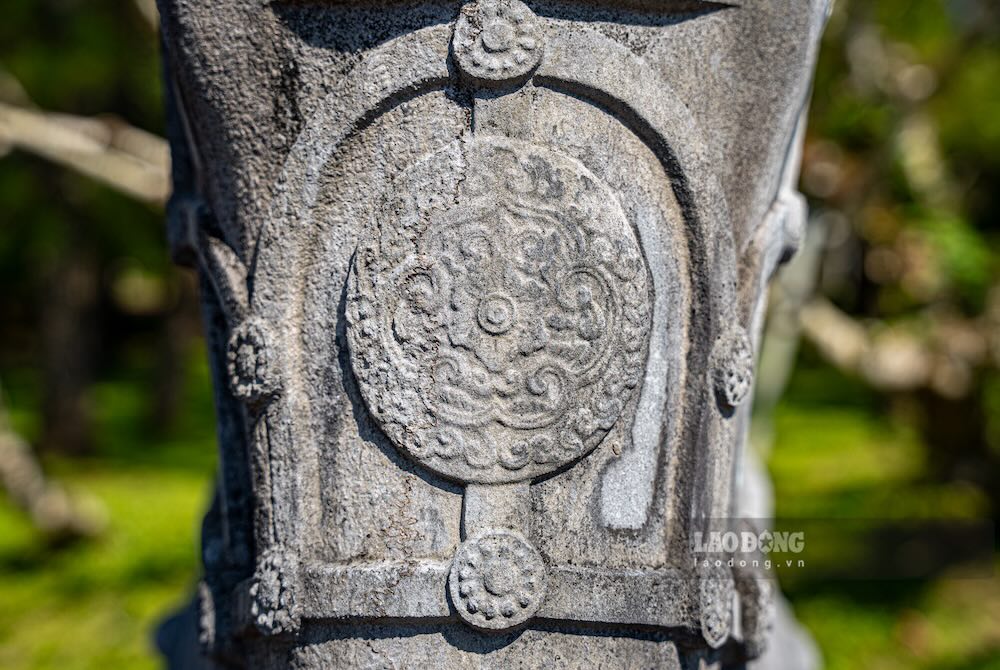
Họa tiết được chạm khắc lên hông ngựa.
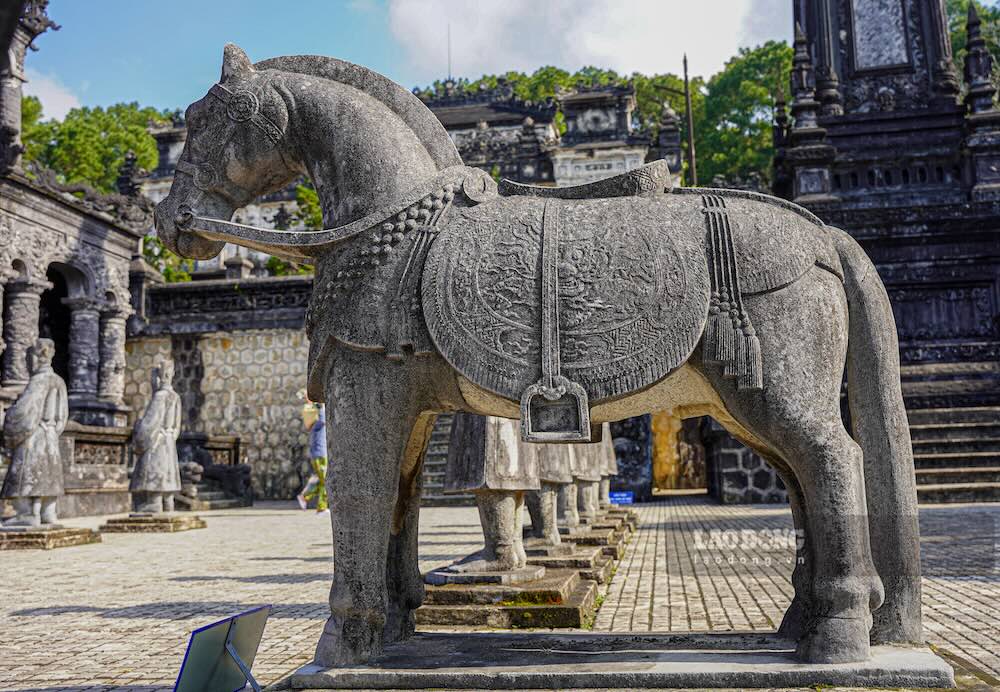
Patterns are carved on the hips of horses.
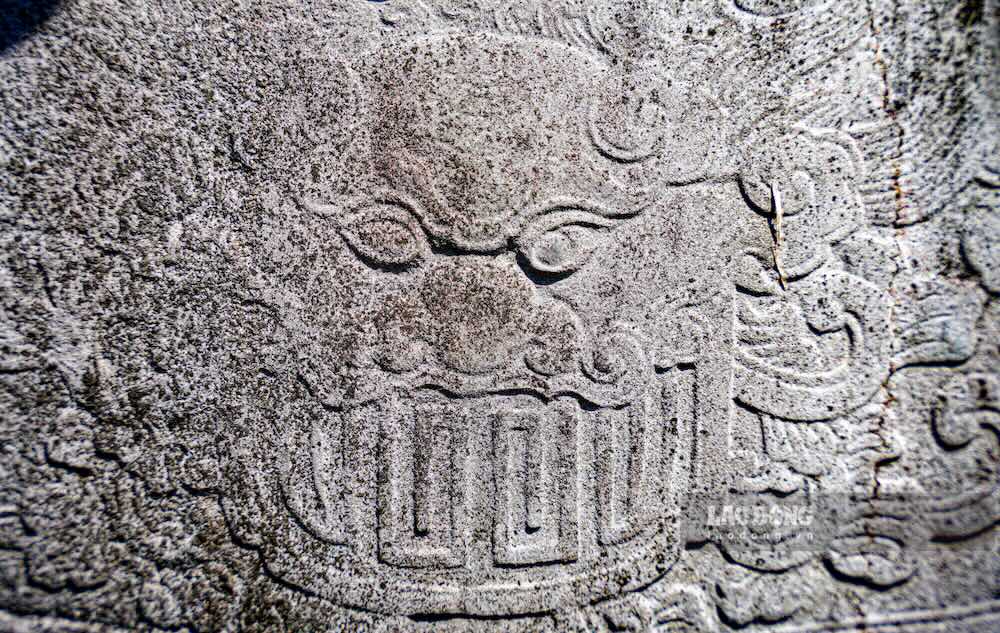
Trán của ngựa đá trước lăng vua Minh Mạng.
The forehead of the stone horse in front of King Minh Mang's tomb.
Ngựa đá ở lăng vua Gia Long.
Stone horses at King Gia Long's tomb.
Ở lăng vua Khải Định cũng có hai tượng ngựa đá trước bái đình.
At King Khai Dinh's tomb, there are also two stone horse statues in front of the communal house.
Theo nhà nghiên cứu Trần Đức Anh Sơn, nguyên Giám đốc Bảo tàng Cổ vật Cung đình Huế, trong 12 con vật cầm tinh của 12 con giáp, ngựa là con vật xuất hiện nhiều trong đời sống văn hóa nghệ thuật ở Huế, có lẽ chỉ sau rồng, linh vật đứng đầu trong tứ linh và là biểu tượng của thiên tử. “Con ngựa có mặt trong sáu khu lăng của các vua nhà Nguyễn, từ lăng Gia Long xây dựng đầu thế kỷ XIX đến lăng Khải Định xây dựng vào thập niên 1920, trừ lăng Dục Đức”, ông Sơn viết.
According to researcher Tran Duc Anh Son, former Director of the Hue Royal Antiquities Museum, among the 12 zodiac animals of the 12 zodiac animals, horses are the animals that appear more in Hue's cultural and artistic life, perhaps only after dragons, the leading mascot in the four sacred animals and a symbol of the son of heaven. "Horses are present in the six mausoleums of the Nguyen Dynasty, from Gia Long mausoleum built in the early 19th century to Khai Dinh mausoleum built in the 1920s, except for Duc Duc mausoleum," Mr. Son wrote.
Cũng theo ông Trần Đức Anh Sơn, tùy từng giai đoạn lịch sử và hoàn cảnh cụ thể, hình tượng ngựa trong các lăng vua Nguyễn có những khác biệt rõ rệt. Ngựa ở các lăng Gia Long, Minh Mạng, Thiệu Trị, Khải Định được tạc bằng đá; riêng ngựa ở lăng Đồng Khánh lại được đúc bằng xi măng. Ngựa lăng Gia Long có vóc dáng rắn rỏi, kiêu dũng; ngựa lăng Minh Mạng to mập, uy nghi, đường bệ...
Also according to Mr. Tran Duc Anh Son, depending on each historical period and specific circumstances, the image of horses in the Nguyen king mausoleums has clear differences. Horses in the Gia Long, Minh Mang, Thieu Tri, Khai Dinh mausoleums are carved with stone; horses in the Dong Khanh mausoleum are cast with cement. Gia Long mausoleum horses have a solid and heroic physique; Minh Mang mausoleum horses are large, fat, majestic, and dignified...
PHÚC ĐẠT - NGUYỄN LUÂN
RELATED NEWS

People anxiously waiting to see the horse mascot in Can Tho

|

Can Tho - As horse mascots in other localities gradually reveal themselves, Can Tho people are also anxiously waiting to see the complete horse mascot on the Spring Flower Street.

Close-up of the degraded items of a special national relic in Ninh Binh

|

Ninh Binh - Many items of the special national relic of Xam Temple are seriously degraded.

Close-up of the thousand-year-old Cham Tower after being flooded

|

HUE - The thousand-year-old Cham Phu Dien Tower has been flooded for many days, and authorities are looking for ways to prevent this situation from recurring in the near future.

Boat capsizes on Gianh River, many people missing

|

Quang Tri - A boat capsizing occurred on the Gianh River through Tuyen Binh commune, causing many people to go missing.

Strawberry prices plummet during Tet, Son La farmers worried

|

Son La - Strawberries ripen red in the fields but prices hit rock bottom, labor costs increase. Many gardens open for everyone to pick for free, farmers are worried about losses.

Rabbit ơi!!" reaches 100 billion VND after nearly 3 days, Tran Thanh dominates Tet box office

|

Just nearly 3 days after officially hitting theaters from the 1st to the afternoon of the 3rd day of Tet, Tran Thanh's movie "Thỏ ơi!!" reached 100 billion VND in revenue.

Hai Phong center attracts tourists during Tet, photographers earn millions of VND per day

|

The Opera House and the central flower carpet of Hai Phong City are always the most brilliant check-in locations "hunted" by many tourists.

Russian President declares he does not accept US sanctions against Cuba

|

Russian President Vladimir Putin receives Cuban Foreign Minister Bruno Rodriguez Parrilla at the Kremlin amid pressure to block Cuba from the US.

People anxiously waiting to see the horse mascot in Can Tho

Phong Linh |

Can Tho - As horse mascots in other localities gradually reveal themselves, Can Tho people are also anxiously waiting to see the complete horse mascot on the Spring Flower Street.

Close-up of the degraded items of a special national relic in Ninh Binh

Hà Vi |

Ninh Binh - Many items of the special national relic of Xam Temple are seriously degraded.

Close-up of the thousand-year-old Cham Tower after being flooded

NGUYỄN LUÂN - HỒNG QUÂN |

HUE - The thousand-year-old Cham Phu Dien Tower has been flooded for many days, and authorities are looking for ways to prevent this situation from recurring in the near future.