
Tet Nam Cung" - the Tet of reunion and gratitude to ancestors
The Dao people in Thanh Hoa have two main groups: the pre-Dao people residing in high mountainous areas, concentrated in the old Muong Lat district area (belonging to villages such as Suoi Tut, Con Dao, of Quang Chieu commune; Pu Quan, Pu Nhi commune) and the Quan Chet Dao people living concentrated in the old Ngoc Lac and Cam Thuy districts (now Ngoc Lac and Cam Thach communes). Although not living in the same area, the Dao people have a common outstanding characteristic of celebrating "Tet Nam Cung".
According to traditional beliefs, during the year, the Dao people have three important Tet holidays: Thanh Minh Tet, the full moon of July, and "Nam Cung Tet". Among these three Tet holidays, "Nam Cung Tet" is considered the largest and most sacred. This is an opportunity for children and grandchildren to report to their ancestors about a year of labor and production, and at the same time pray for a new year of peace and prosperity.
In the last days of December, returning to the villages in Ngoc Lac, Cam Thach, the Tet atmosphere is clearly present in every roof. Mr. Phung Quang Du, an elderly person in Ha Son village, Ngoc Lac commune, shared: When the harvest has been completed, rice has entered the barn, corn has filled the warehouse, the Dao people happily organize "Tet Nam Cung". That is the common joy of the whole lineage, the whole village.
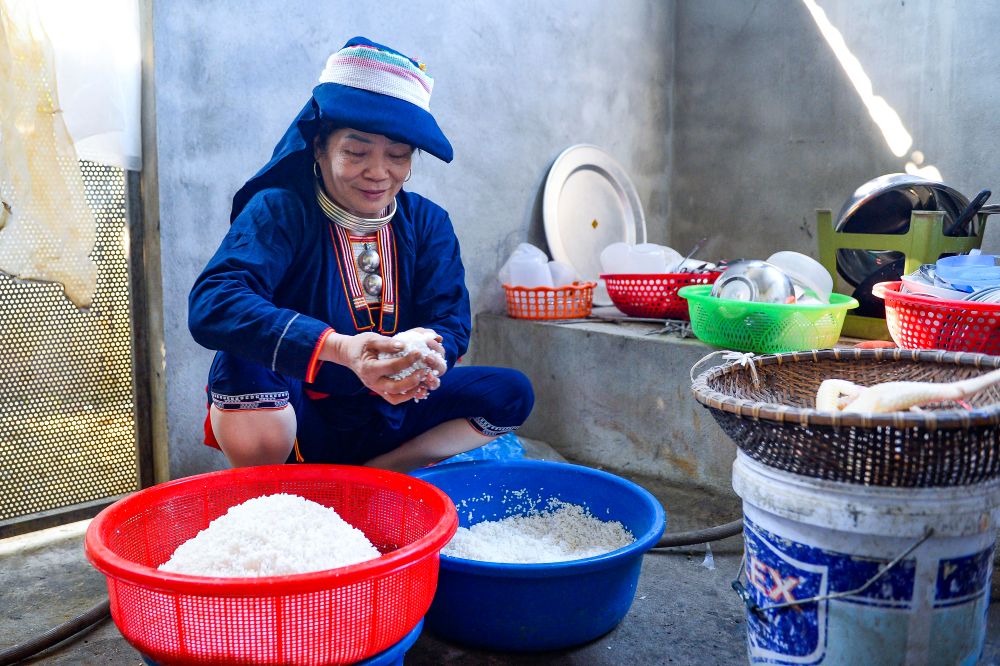
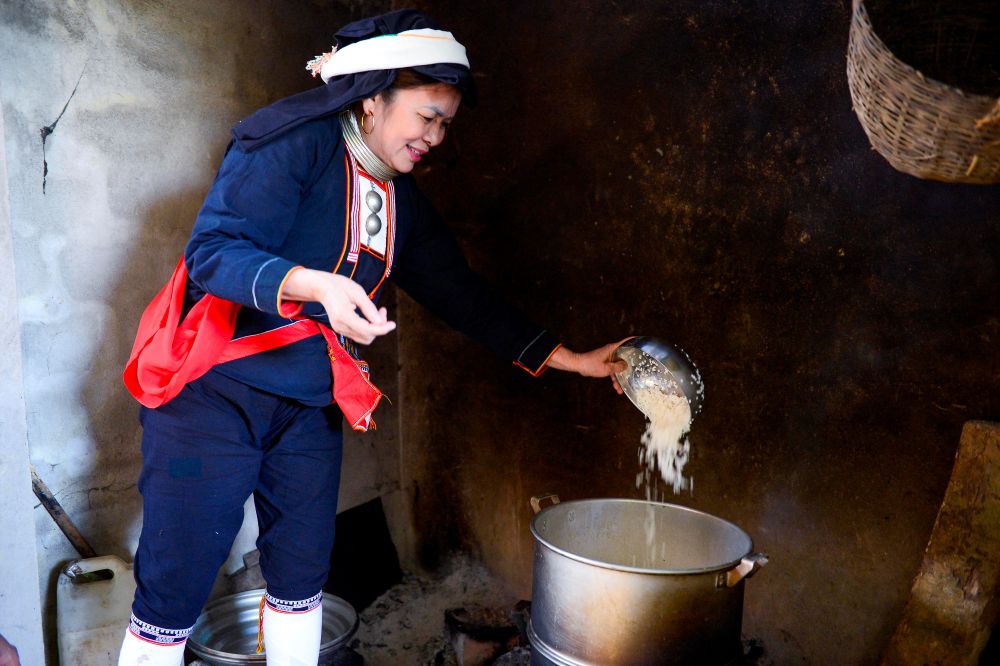
To prepare for Tet, from many months ago, each family took the initiative to raise pigs, raise chickens, stock up on fragrant sticky rice, and prepare ingredients for making cakes. According to custom, "Tet Nam Cung" is organized first at the head of the clan's house, then to other families in the clan. Celebrating Tet lasting many days, depending on the economic conditions of each household, but whether big or small, Tet is always organized solemnly and warmly, expressing respect for ancestors.
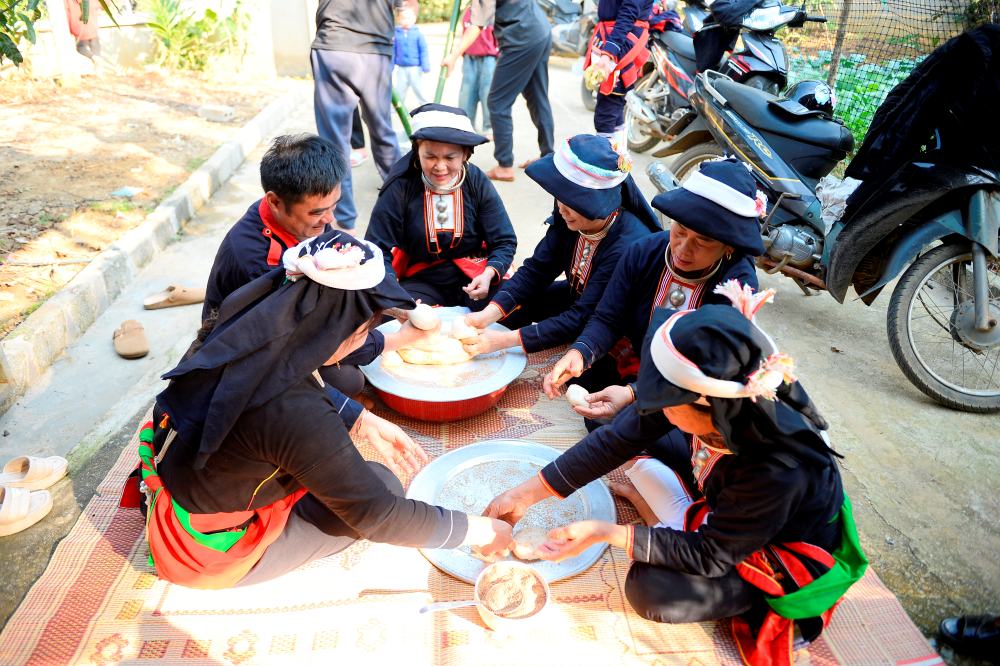
As a young person who has participated in "Tet Nam Cung" for many years, Mr. Phung Van Canh, in Ha Son village, said that each family usually prepares from 10 to 20 trays of feasts, some families up to 30 trays. Children, grandchildren, and relatives join hands, contributing whatever the family has, creating a rare atmosphere of reunion. Only when children and grandchildren in the lineage gather fully, do they go to the head of the lineage to perform rituals and celebrate Tet together. For the Dao people, Tet is not just about eating and drinking, but also an opportunity to connect and remind about their roots.
In Cam Thach commune, the atmosphere of "Tet Nam Cung" also takes place similarly. Mr. Trieu Van Nguyen, an elderly person in Binh Son village, said that no one remembers exactly when "Tet Nam Cung" originated, but through many historical ups and downs, that custom is still preserved intact, even becoming more full and more disciplined. That is proof of the sustainable vitality of Dao culture amidst the flow of time.
Essential products and rituals in "Tet Nam Cung
For the Dao people, the offerings offered during "Tet Nam Cung" are products made by their own hands after a year of labor. The offering tray is not elaborate or extravagant, but must be complete, showing the fruits of labor and gratitude to ancestors.
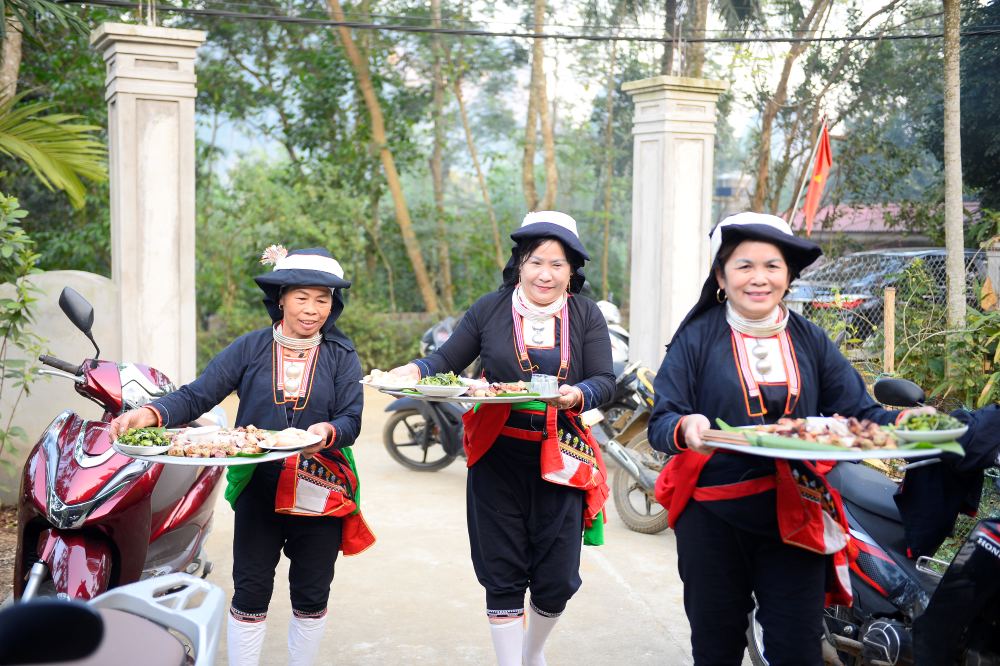
Unlike many other ethnic groups, the Dao people do not worship Ong Cong and Ong Tao on the 23rd day of the twelfth lunar month. They welcome Ong Tao on New Year's Eve, see off on the third day of Tet, and welcome them back on the full moon. In "Tet Nam Cung", the offering tray must have three things: pork, chicken, and banh giay - familiar dishes closely associated with the Dao people's daily life.
According to custom, the homeowner must prepare three trays of offerings to worship ancestors, worship Ban Vuong - the ancestor of the Dao people - and worship ancestors. When the tray of offerings has been solemnly displayed, the shaman will represent the homeowner to report to ancestors what they have done in the old year, and at the same time pray for good health, luck, and smooth business in the new year.
A unique feature in the worshiping ritual is that the Dao people do not use incense bought at the market. Incense is made from the bark of a forest tree with a mild fragrance, when burning it must be accompanied by charcoal. Each burning is a sending of wishes, until the incense cup is full of charcoal and ashes, it stops.
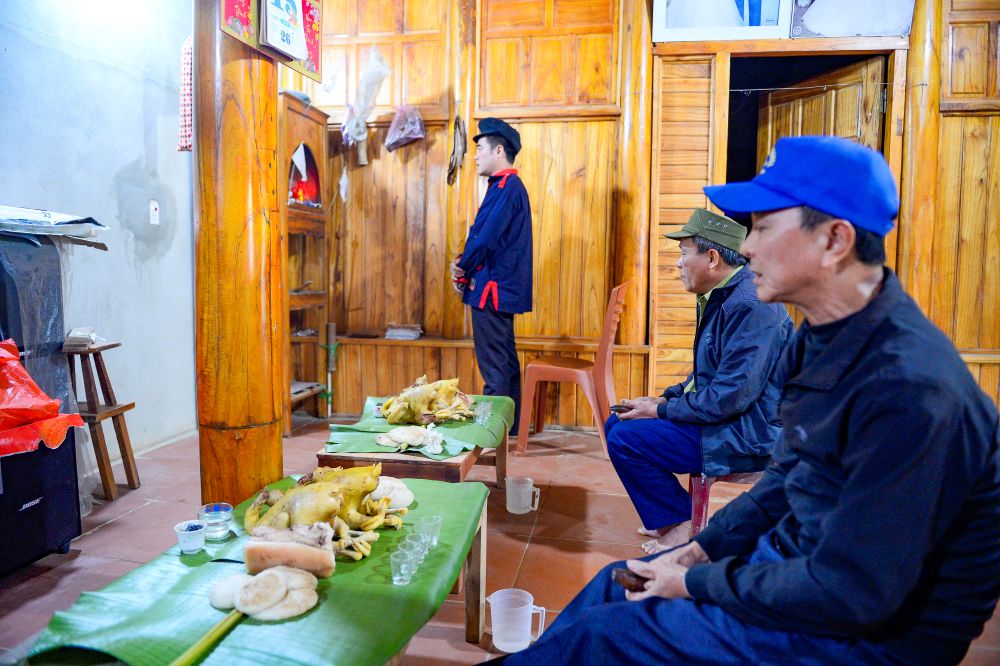
In their beliefs, the Dao people are deeply influenced by Confucianism, Buddhism and especially Taoism. The worshiping ceremony is carried out solemnly and strictly in order. In addition to pork and rooster meat, the offering tray also has 12 banh giay cakes symbolizing the 12 months of the year, a cup of water, five cups of wine, and betel and areca nuts. Plenty of offerings is a wish for a new year of prosperity and wealth.
After reviewing the ceremony, the highest-ranking shaman stands in front of the altar, holding a holy stick in his hand. The stick has one end covered with sharp iron, the other end carved with patterns, accompanied by green branches and leaves. According to beliefs, the holy stick symbolizes spiritual authority, while the branches and leaves are the shelter of risks, so that after the ritual, they can be taken out, sending away bad luck from the family.
Family reunion, preserving identity in modern life
The "Tet Nam Cung" worshiping ceremony usually lasts more than an hour. When the ceremony ends, all offerings are lowered and opened for children and grandchildren to celebrate Tet together. Before meals, the head of the clan often goes around to invite wine, wishing people good health, hoping everyone will unite and do well in business so that the next Tet will be more prosperous.
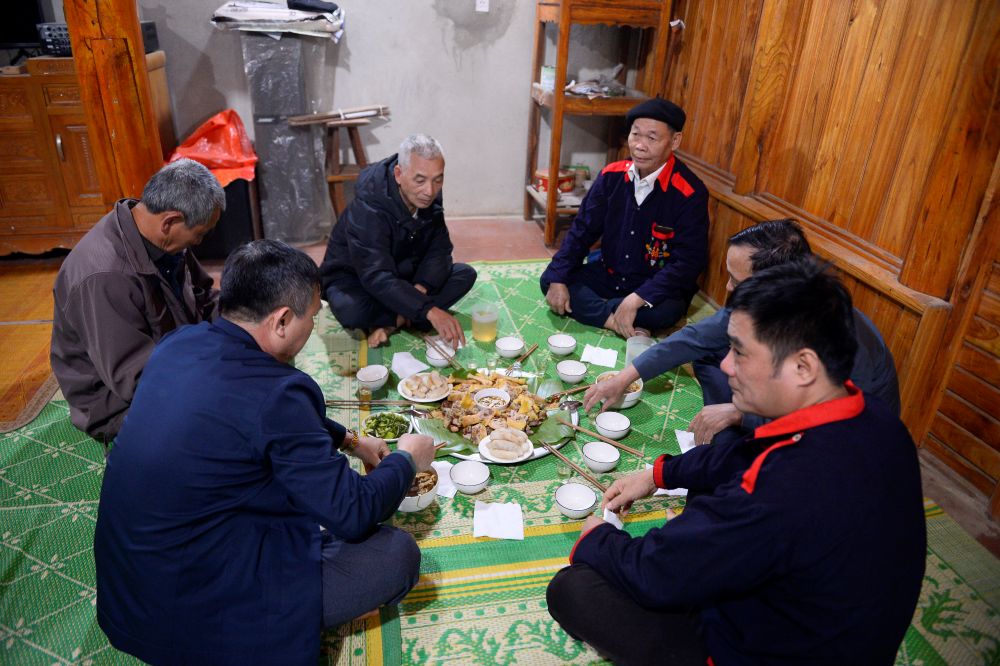
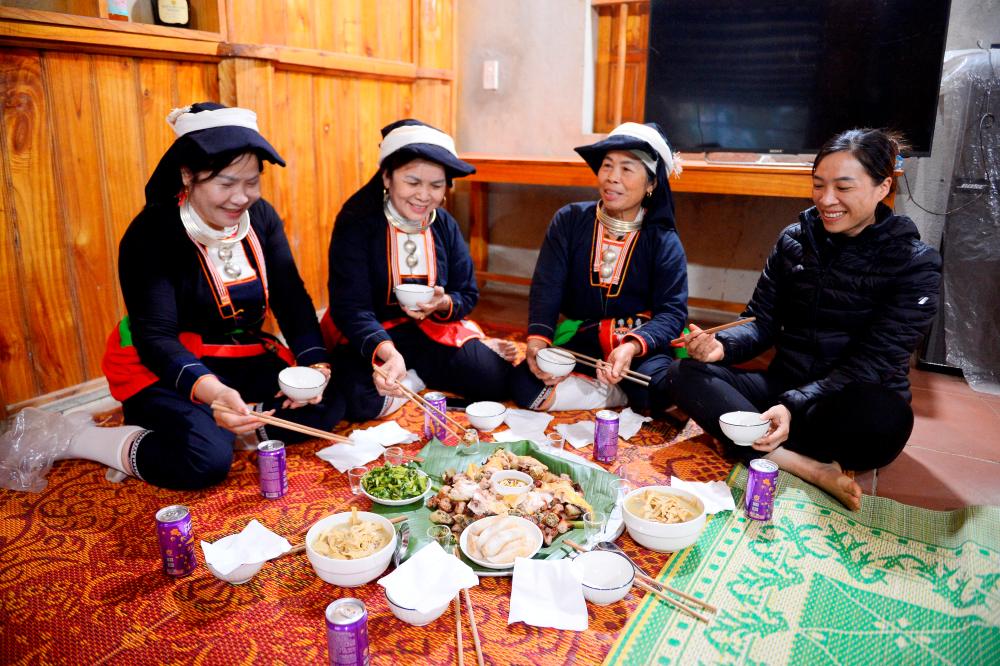
According to custom, shamans, dignitaries and sons in the family sit on separate trays in the large house; women and young people eat in the yard or in the lower house. All food is arranged on fresh banana leaves, both rustic and close to nature.
The Dao people believe that families with many guests coming to celebrate "Tet Nam Cung" are even luckier in the new year. Therefore, during Tet days, the village is always bustling with laughter, greetings, and congratulations. Ms. Trieu Thi Manh, in Ha Son village, shared: Every December, everyone is eagerly looking forward to Tet. Every household prepares carefully, from cakes and fruits to offerings, to both worship ancestors and have the opportunity for relatives in the village to meet and unite in a spirit of solidarity.
According to Mr. Trieu Van Chinh, Secretary of the Party cell, Head of the Fatherland Front Committee of Ha Son village (Ngoc Lac commune), currently the village has more than 260 households, over a thousand people who are Dao people. Although life today has changed a lot, the Dao people of Quan Chet still cherish and preserve traditional cultural values. "Tet Nam Cung" is one of the typical beauties, reflecting the cultural depth and spirit of community cohesion of the Dao ethnic group.
Mr. Ha Thanh Son, Chairman of Cam Thach Commune People's Committee, said that the whole commune currently has more than 1,500 Dao people living in Thach An, Binh Yen, Binh Son villages. On the occasion of December of the lunar calendar, local authorities coordinate with functional forces to strengthen security and order, and at the same time promote propaganda to help people organize "Tet Nam Cung" safely, economically, in accordance with economic conditions, but still retain traditional cultural identity.
Amidst the modern pace of life, the "Tet Nam Cung" of the Dao people still retains the core values of reunion, gratitude and solidarity. It is not only the Tet holiday of a single nation, but also a vivid piece in the diverse cultural picture of the western region of Thanh land, contributing to enriching Vietnamese cultural identity.


