
According to QQ, one of the strangest scenes of 2025 is the image of Liu Yifei appearing in the group's livestream on Douyin.
In the livestream room named "IPO·0120", a female streamer with a face very similar to Liu Yifei, wearing flowers on her hair in the image of an actress at the Vogue Thinh Dien event that once caused a fever, wearing a turquoise evening gown, gracefully shaking to the music.
And "Luu Diec Phi" is not just one person. Right in the same livestream room, the audience also saw "Luu Diec Phi red carpet" holding hands with "Bach Tu Chau" (played by Luu Diec Phi) of the movie "Kim phan the gia" dancing.
Audiences continuously commented: "Just being like three parts is already a perfection of humanity", "Being like one part is enough to be addictive"...
Also livestreaming with the two "Luu Diec Phi" are members like Trieu Lo Tu, Vuong To Hien...
These streamers take recreating the classic image of the star as a characteristic, imitating movements and demeanor to attract viewers, becoming one of the most famous group livestream rooms on Douyin.
Among them, streamer Lieu Lieu - the girl who is considered to have the most Liu Yifei-like face - initially only had a few hundred viewers, but after impersonating Liu Yifei, the number of viewers has increased 10 times, earning millions of yuan per month.
According to statistics, "IPO·0120" has livestreamed 48 sessions in a month, with total views exceeding 42.12 million, an increase of 116,100 followers thanks to livestreaming.
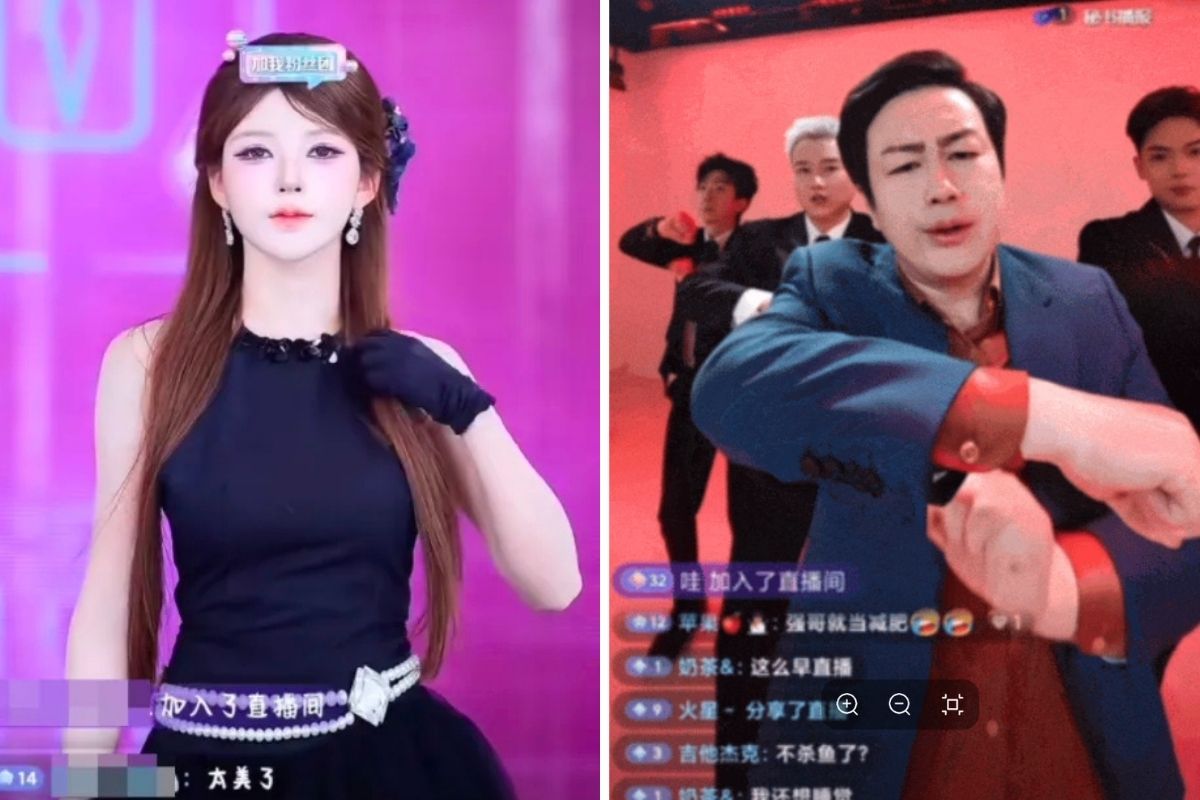
From October 2025, a series of livestream rooms of the "star-simulated" group have continuously appeared.
According to Tan Dau data, from October 20th to mid-December 2025, fake streamer Cao Khai Cuong (played by Truong Tung Van) in "Cuong Phong" livestreamed 18 sessions, with a total viewing of more than 15 million.
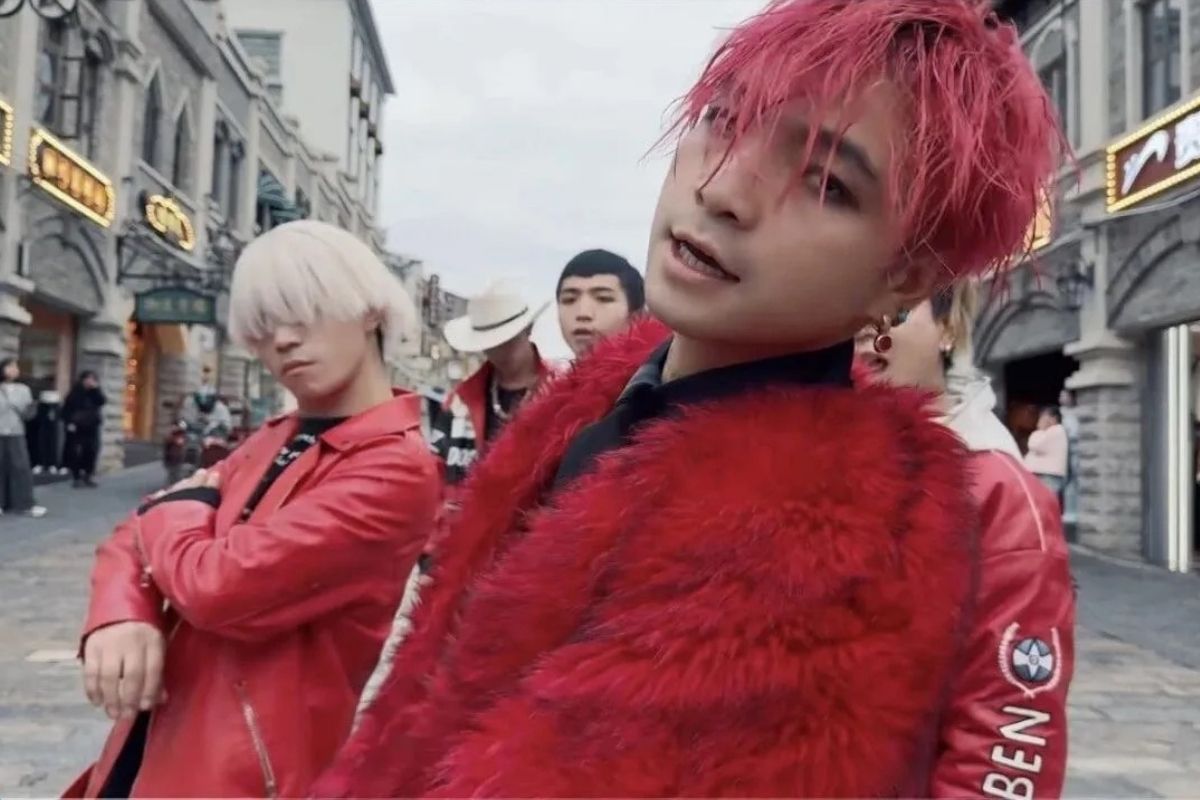
Not only gathering all kinds of Chinese stars, livestream rooms also reach Kpop. The livestream group "BigBang Yunnan" appeared with a rustic image but in contrast to good dance skills, quickly causing a fever.
After becoming a network phenomenon, they not only accepted invitations to cooperate in promoting local tourism, but also went on stage on the New Year's Eve night of Zhejiang station.
From the late 1990s, the concept of "faking famous people" began to appear in China.
With the "Fun General Supporter" show and many other television programs, impersonating celebrities is becoming increasingly popular, gradually forming an industry.
In 2006, the China Star Art Troupe was established, recruiting people with voices or appearances similar to stars for professional training. At its peak, the troupe had more than 600 fake actors.
From 2010-2015, fake star artists frequently appeared on CCTV and local stations, quickly accumulating fame and assets; there were even "artificial stars" thanks to cosmetic surgery.
When the imitation trend peaked, Truong Le - who imitated Mai Diem Phuong - could easily earn more than 1 million yuan per year; "Uong Ham fake goods" also had an annual income of up to 4-5 million yuan.
In the television age, people who look like stars are required to have acting talent to meet audience expectations.
But entering the era of short videos, everything becomes easier: 15 seconds is enough to become famous. Imitators don't need to act, just looking like celebrities can quickly attract a large amount of attention.
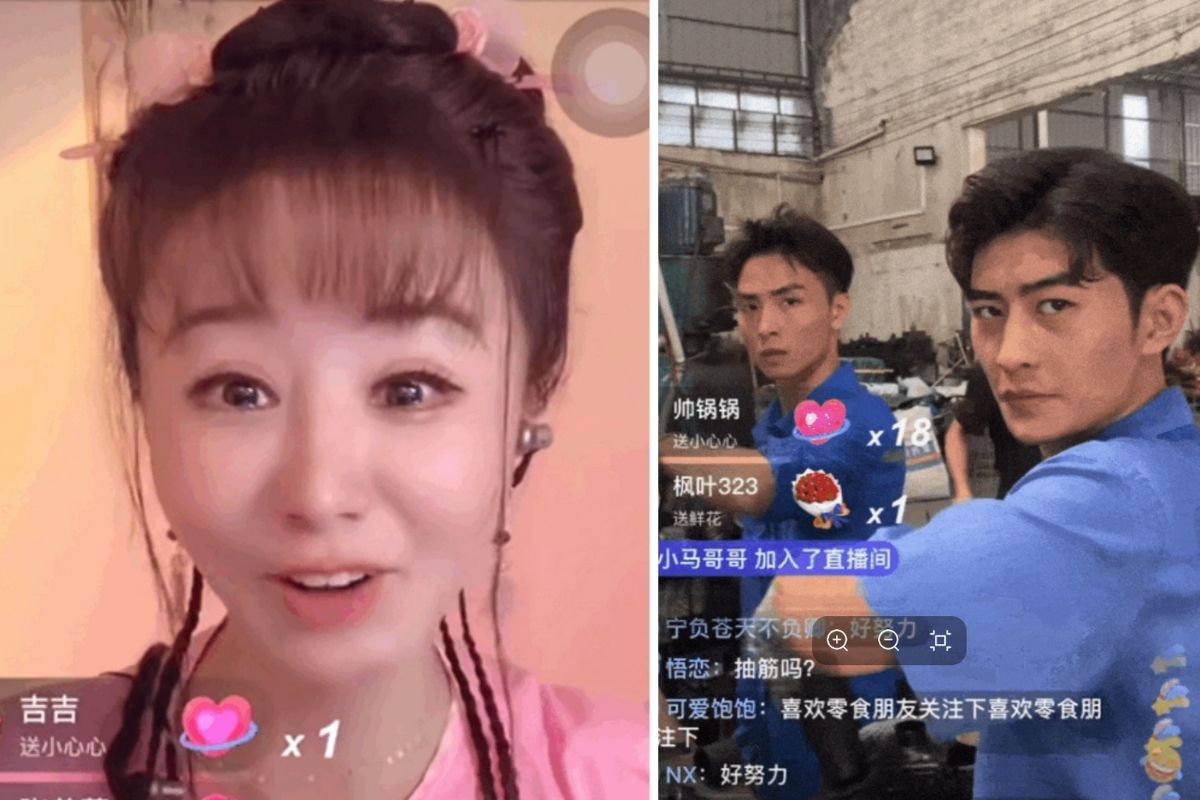
Chieu Lam Tam Nhu" faked the scene of Tu Vy being blind in "Hoan Chau Cach Cach" to ask for donations, once earning 100,000 yuan in just one livestream.
A factory worker with a monthly salary of only 3,000 yuan/month, after impersonating Truong Han livestreaming, quickly earned enough money to buy a Mercedes, the number of fans on the short video platform even surpassed Truong Han's "original".
However, according to experts, these "copycat stars" also face legal risks.
Imitating the appearance and voice of the star inherently poses a risk of infringing on the right to portrait and honor. If they take advantage of that similarity for profit, it may constitute unfair competition, even leading to criminal liability.
There have been many cases of "copycats" being sued, banned from broadcasting, forced to apologize, and withdrawn from social networks. In addition, they also face threats from fans of the "original", directly affecting their lives.


