
Countryside specialties with a memorable flavor
Fish cake is a specialty originating from Nguyen village, Dong Hung commune, Hung Yen province (Nguyen Xa commune, Dong Hung district, old Thai Binh province). After hundreds of years of existence and development, from a rustic gift, fish cake has become a typical culinary symbol of the rice region, carrying the memories, flavors and cultural activities of many generations of people in the Northern Delta.
When mentioning fish cake, people are easily attracted by the strong aroma of old ginger, the sticky taste of yellow sticky rice, mixed with the fatty richness of peanuts, sesame and the sweetness of sugarcane. A cake that is not elaborate in shape but has a strange holding power, making it unforgettable for those who have enjoyed it. In particular, every Lunar New Year, bay cake has become a hometown gift that many people are looking to buy and give to relatives and relatives.
According to legend, the cake is called fish cake because the "fish cake" in the cake is sticky rice grains shaped like a fish egg. There is another way to explain, saying that in the past, delicious cakes were chosen by local officials to be offered to the king. When enjoying it, the king felt the rich, sweet taste mixed with the spicy taste of ginger, so he asked the name of the cake. The village authorities replied that it was " Spicy cake", and over time, people gradually read it off into fish cake. Regardless of the explanation, the name of the fish cake still evokes the rustic, close, and rural feel of the Northern region.
Banh cay is delicious only when it reaches the flexibility of the sticky rice, the richness of sesame peanuts, the moderate sweetness of sugar and especially the spicy aroma of old ginger. biting a piece of fish cake, the sweetness spread, then there was a slight feeling of a spicy taste at the tip of the tongue, the more chewed it was, the more fragrant it was. Add a cup of hot green tea, especially in the cold autumn weather or the last days of the year, diners can easily fully feel the sophistication of this hometown gift.
Through many changes over time, Nguyen village still retains the traditional job of making fish cake. At one point, hundreds of households participated in the production of fish cake. Each family has its own secret in how to choose ingredients, mix spices, adjust the heat when making cakes, creating its own unique "match" without mixing. However, all are in the same profession, preserving the quintessence of the traditional cake that has been associated with the countryside for many generations.
In the modern lifestyle, as society develops, the market has seen many new types of candy, diverse designs and flavors, meeting consumer tastes, and the craft of making fish cake is also facing many difficulties.
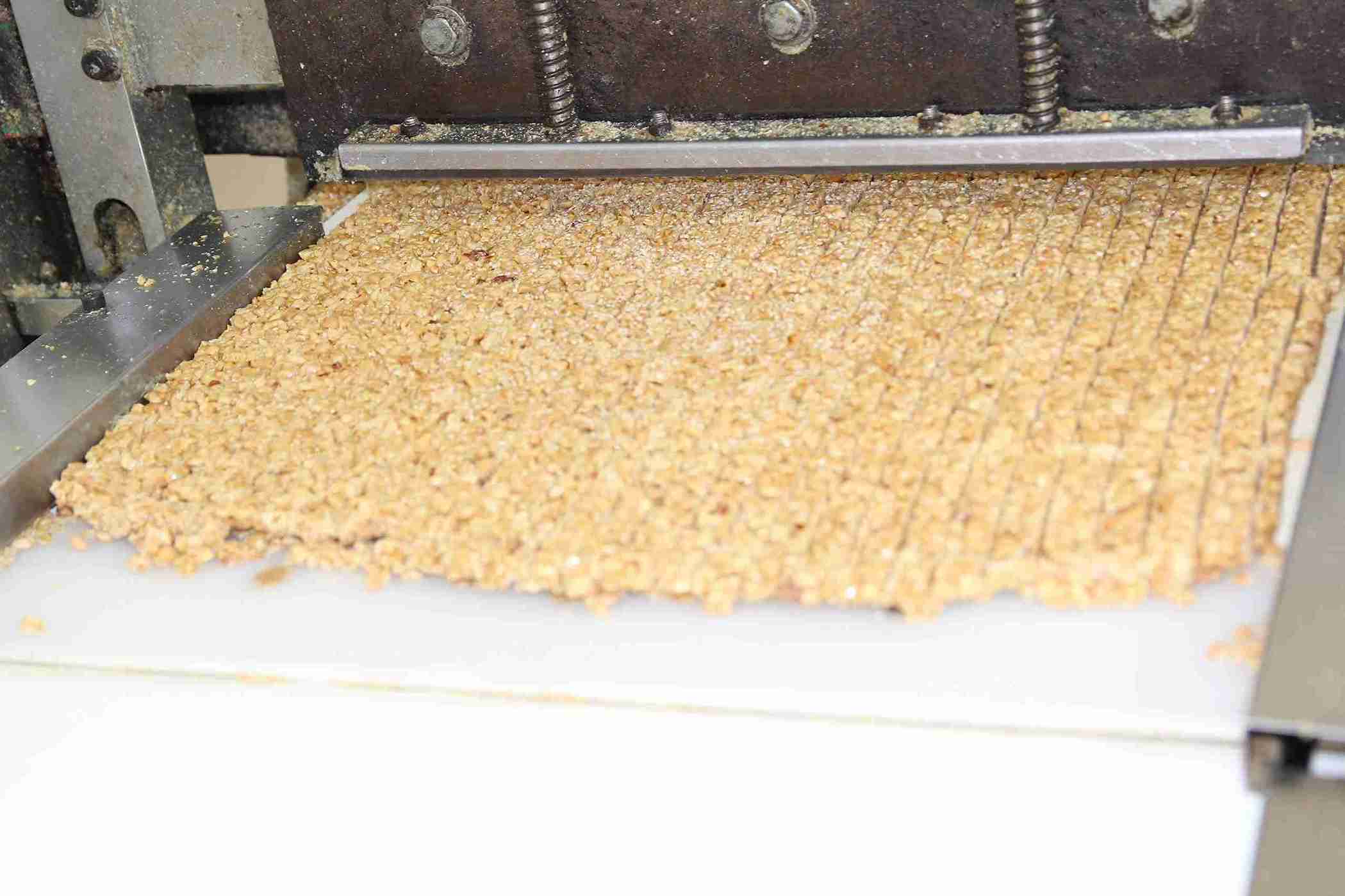
Preserving and developing a traditional cake requires not only enthusiasm but also flexible adaptation to the market. However, with love for the profession and a sense of heritage preservation, many people in Nguyen village still persistently stick to the profession, considering making fish cake not only a means of livelihood but also a responsibility to the craft group and the homeland.
Mr. Nguyen Huu Thang, owner of a Cay cake production facility in Dong Hung commune, who has been in the profession for more than 30 years, said that to make a fragrant sticky cay cake, it takes many meticulous steps. Ingredients are completely taken from nature such as gan, fruit or leaves, peanuts, sesame, ginger, carrots... "After having enough ingredients, I mix them with sugar, cook them in a pan of pork fat or cooking oil, stir them all and pour them into the mold to press into a cake. The large cake pan will be cut into bite-sized pieces, then packed and put into the finished product box" - Mr. Thang shared.
Over time, Cay cake has not only become a dish but has become a part of the memories of many children living away from home. For them, sometimes just a piece of fish cake and a cup of hot tea is enough to ease their homesickness, recall the image of peaceful villages, Tet gatherings, and cold afternoons gathered by the fire.
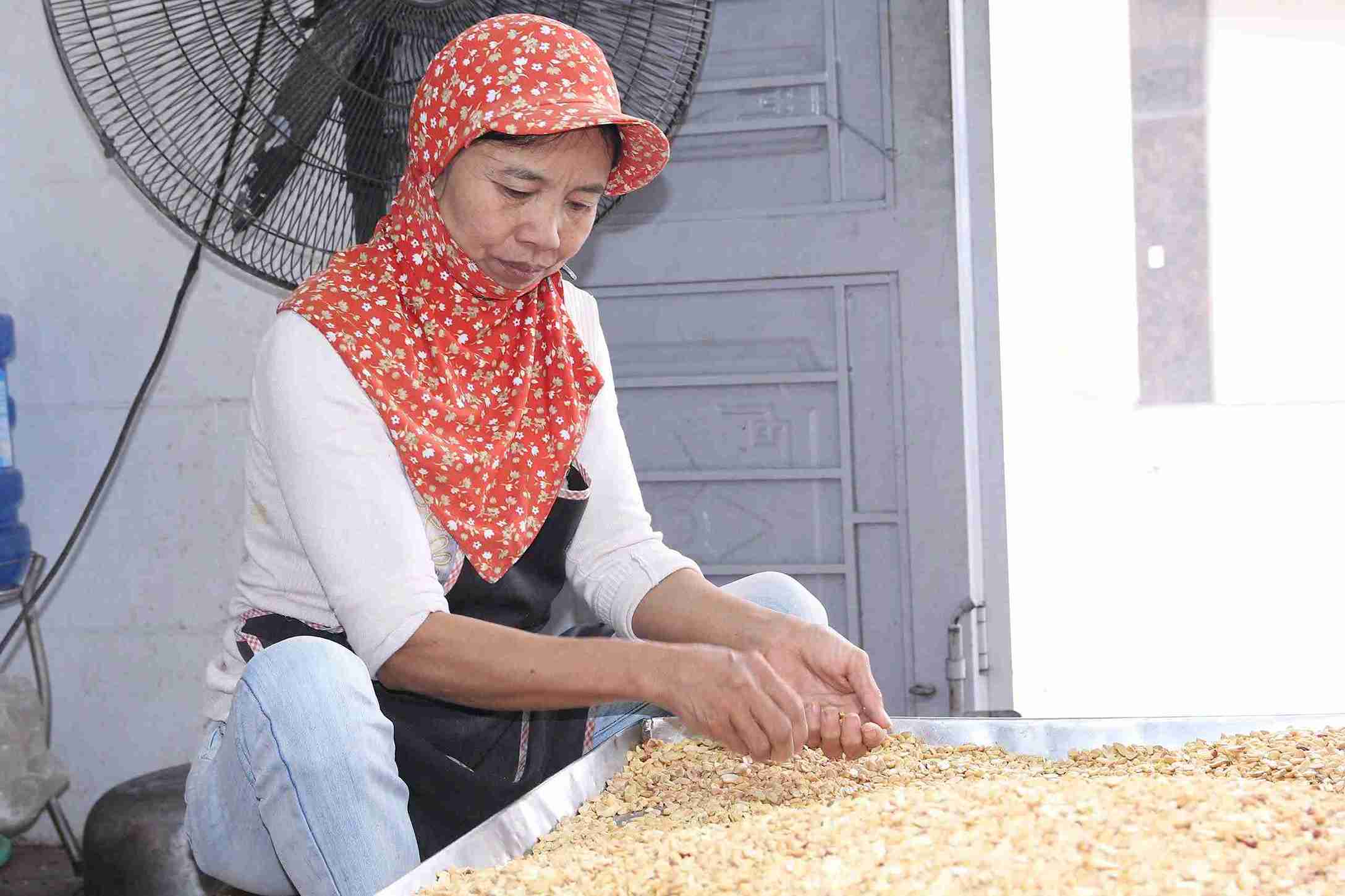
Preserving the value of traditional craft villages
In the treasure trove of Vietnamese folk cuisine, Nguyen village's fish cake stands out as a symbol of ingenuity and sophistication, created from simple ingredients of the homeland's fields. Not only a local specialty, fish cake also represents a long-standing craft village culture, closely associated with rural life in the North.
In 2019, Nguyen village's fish cake was recognized as a National Intangible Cultural Heritage, marking an important milestone in the journey to preserve and promote the value of traditional cakes.
Previously, bay cake was mainly made on holidays, weddings or Lunar New Year to give to relatives and relatives. Over time, along with the growing market demand, the bay cake making profession has developed all year round. Currently, Nguyen village still maintains more than 100 households participating in production, creating jobs and stable income for many local workers, contributing significantly to the development of the rural economy.
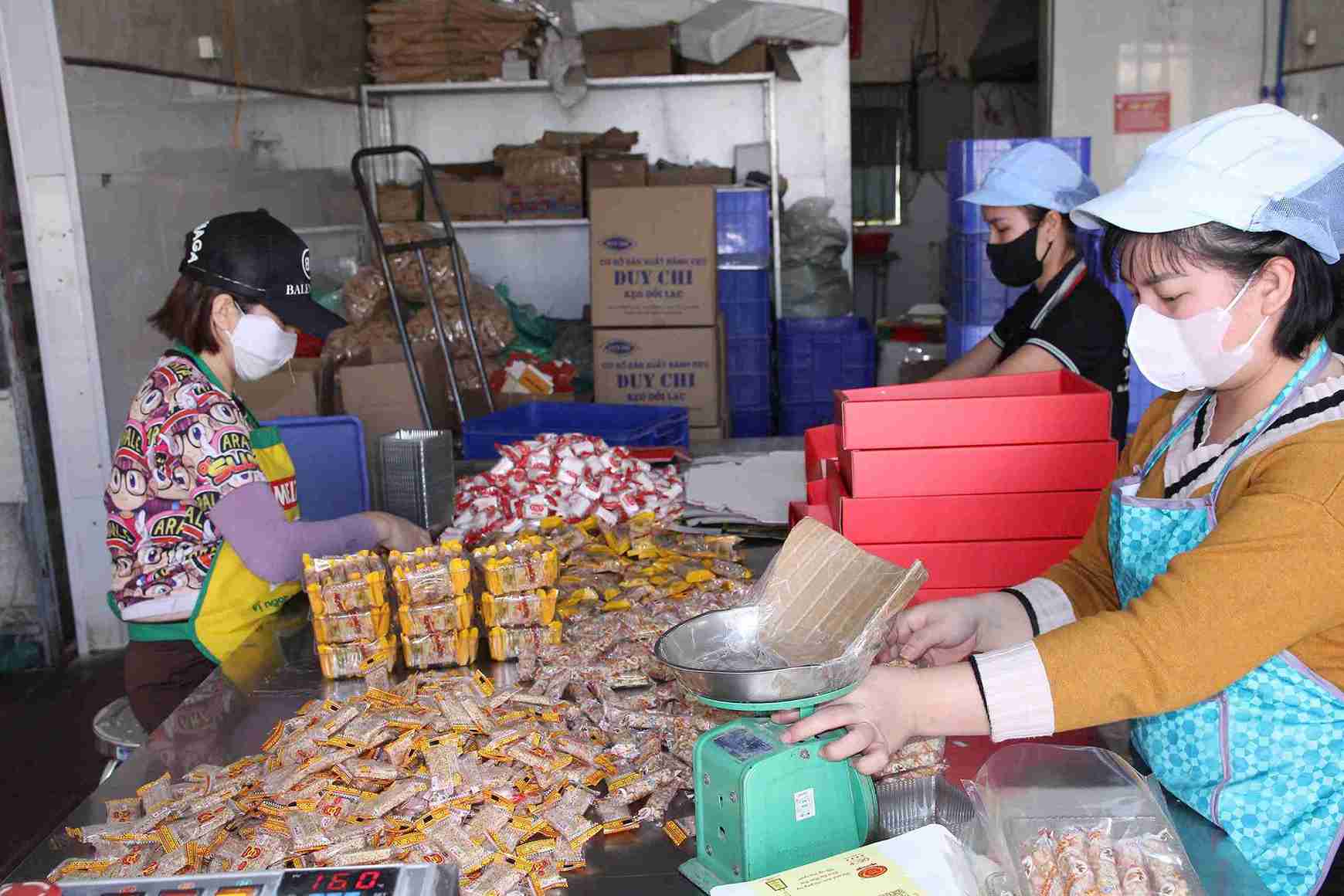
Not stopping at cultural values, bay cake has also gradually affirmed its position in the market. In 2022, Nguyen village's fish cake was recognized by the Vietnam Record Organization (VietKings) as one of the 100 famous gift specialties of Vietnam. This is not only a recognition of product quality but also a testament to the enduring vitality of a traditional craft village in the modern flow.
Currently, fish cake is packaged into small bunches or boxes, convenient for storage and transportation. The selling price ranges from about 80,000 - 120,000 VND/kg, or more commonly 25,000 - 35,000 VND/box, suitable for many customers. Thanks to that, bay cake is not only present in Tet dishes but also becomes a hometown gift chosen by many people when traveling far away, returning to their hometown or as a gift.
Faced with the increasing competition of modern candy products, many Cay cake production facilities have proactively invested in machinery, improved the process, and upgraded the baking facilities to meet consumer tastes while still preserving traditional flavors. The combination of manual methods and new technology helps increase productivity, ensure food hygiene and safety, and at the same time maintain the typical quality of fish cake.
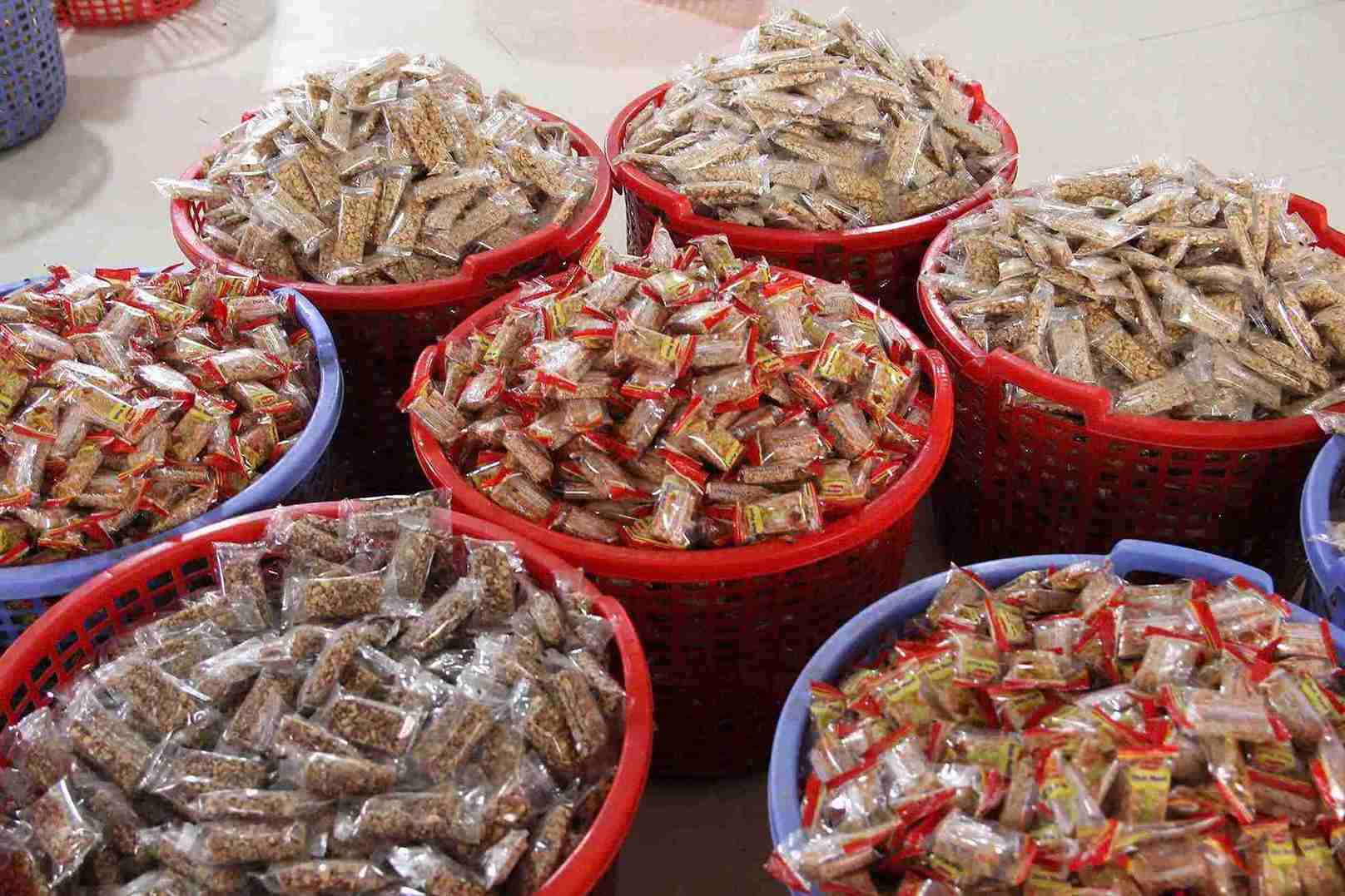
At the end of each year, Dinh Manh candy shop of Mr. Nguyen Dinh Manh - one of the largest whale cake production facilities in the locality, is always busy increasing production shifts. Dozens of workers work continuously, each person in a step, from processing raw materials, grilling cakes, pressing molds to packaging, to deliver Tet orders to customers in time. Not only famous for fish cake, this establishment is also known by many people for its peanut and candy products with traditional flavors, contributing to enriching the culinary picture of the craft village.
Today, in addition to production, Nguyen village has also gradually developed an experiential tourism model, where visitors can directly participate in the cake-making stages, learn about the history of the craft village and enjoy fish cake right at the birthplace. This is considered a suitable direction, both promoting products and helping the younger generation understand and appreciate the value of the heritage left by their ancestors.
With the value of heritage protected and the continuous efforts of the people, Hung Yen fish cake today continues to spread the traditional flavor, inviting each person to preserve, cherish and promote the quintessence of the hometown's cuisine.


