
Recently, South Korean police officially filed an arrest warrant for Kim Se Ui - representative of the self-managed media channel "Garo Sero Research Institute" - on charges of spreading false information, seriously damaging the reputation of actor Kim Soo Hyun.
The case lasting more than a year is assessed to have gone far beyond the scope of online rumors, leaving serious consequences for the male actor's career.
According to initial investigations, the incident began in early 2025 when Kim Se Ui suddenly made public allegations related to Kim Soo Hyun's private life, along with many "evidence" such as edited messages and audio recordings created using AI technology.
These contents quickly spread on social networks, making Kim Soo Hyun the focus of criticism and suffering a wave of fierce boycotts.
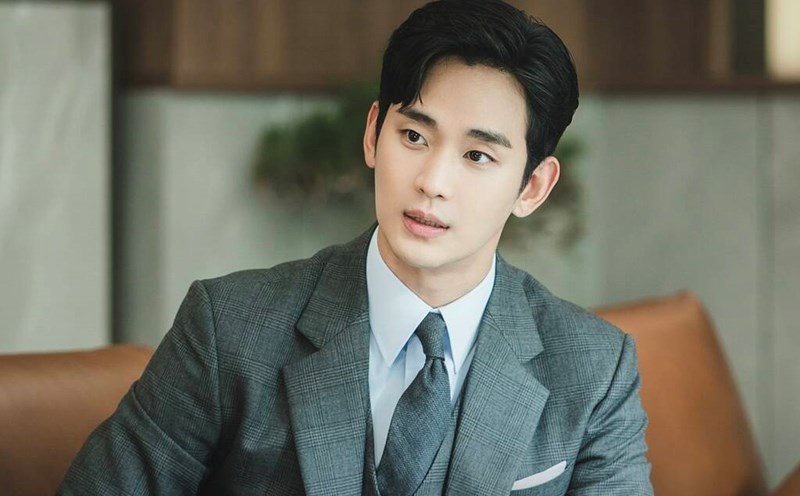
However, on May 20, 2026, South Korean police officially concluded that all accusations were fabricated.
Investigation results show that Kim Se Ui edited 11 screenshots of messages from 2016, changed many identification information and forged audio recordings that are said to be related.
Functional agencies affirmed that Kim Soo Hyun did not have any false relationships as accused, and the case was classified as organized slander.
Although the truth has been clarified, the damage to Kim Soo Hyun is extremely serious. According to the police, the incident has "almost destroyed his career foundation".
Up to 14 brands terminated advertising contracts, the actor faced many lawsuits for contract violations worth hundreds of billions of won, while some film projects were also heavily affected.
Notably, Kim Soo Hyun is said to be still undergoing psychological treatment due to prolonged pressure from the scandal.
Meanwhile, Kim Se Ui still denies all accusations. In a live broadcast, this person said that applying for an arrest warrant was to "hinder press activities" and affirmed that he was only conducting independent investigation activities.
Currently, the court is expected to consider the decision to temporarily detain on May 26. The case not only raises the issue of the responsibility of social media, but also shows the danger of fake news in the digital age - when the reputation of an artist can be destroyed after just one wave of spread, even though the truth has not yet spoken out.


