
According to Sohu, on April 27, Zhejiang Television (China) broadcast the AI short film "Chinese Legend: White Snake".
The male lead character in the film immediately caused controversy because many opinions believe that this character is the result of "mixing" the facial features of the two actors Xiao Zhan and Wang Yibo.
Audiences point out that the male character in the film almost "copies" the identifying features such as moles under the lips, the eyes and demeanor of Xiao Zhan, along with the bridge of the nose and jawline of Wang Yibo.
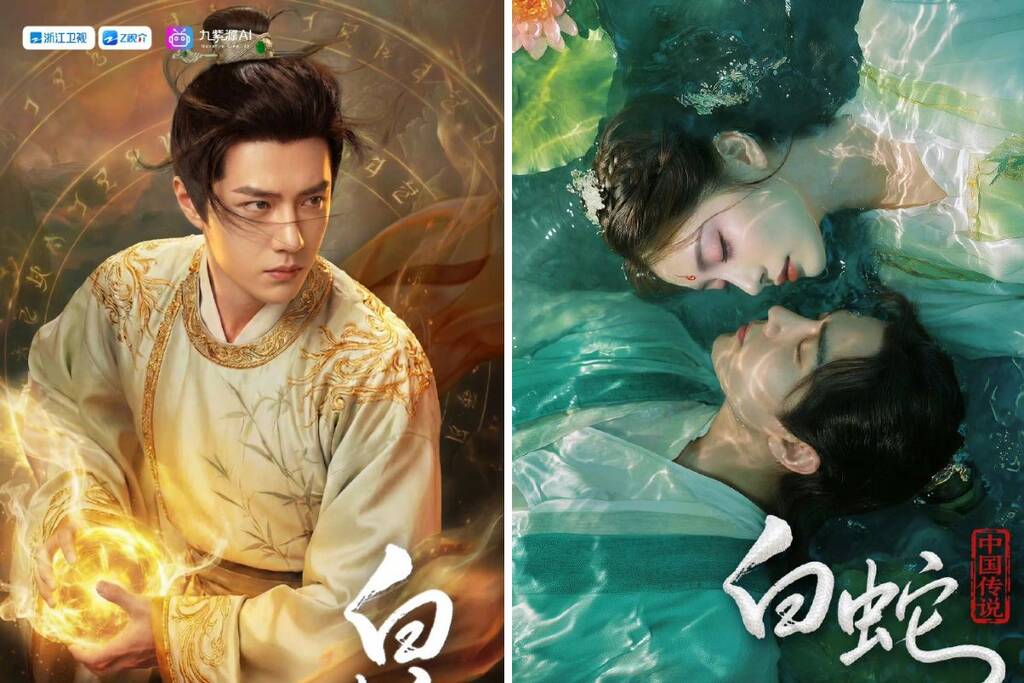
Many comparison images spread widely on social networks, with many people commenting: "Even the position of the mole under Xiao Zhan's lip completely coincides".
The film is promoted as the "first AI short film broadcast on television", broadcast simultaneously on platforms such as Z Vision of Zhejiang Radio, Douyin and Red Fruit, and opens up commercial cooperation, clearly serving profit-making purposes.
However, the production side, Hangzhou Jiuzhiyuan Culture Technology Co., Ltd. and the broadcasting unit, have not publicly announced whether they have received permission from Xiao Zhan, Wang Yibo or the actors' offices.
Legal circles cite Article 1019 of the Chinese Civil Code, arguing that: even if the original image of the artist is not directly used, but if the image created by AI (artificial intelligence) is sufficient for the public to clearly recognize it as a specific individual (such as Xiao Zhan or Wang Yibo) and is used for commercial purposes, it still constitutes an act of infringing on portrait rights.
Lawyer Li Zhenyu from Shanghai Lizhen Law Firm analyzed: "When there is a large number of comments identifying the character in the film as Xiao Zhan or Wang Yibo, the result of the infringement of portrait rights is almost undeniable.
In addition, the film also does not label AI according to the regulation "Measures to identify synthetic content created by artificial intelligence", and also shows signs of violating the deep synthesis management regulations on the internet regarding "illegally using other people's images", i.e., there is a legal procedure problem.
Currently, Xiao Zhan and Wang Yibo have not yet given an official response, while Zhejiang Television has not yet made a statement about this dispute.
Legal experts believe that if the case is brought to court, the possibility of the producer and the platform losing the lawsuit is very high, and they may face a large compensation and public apology.
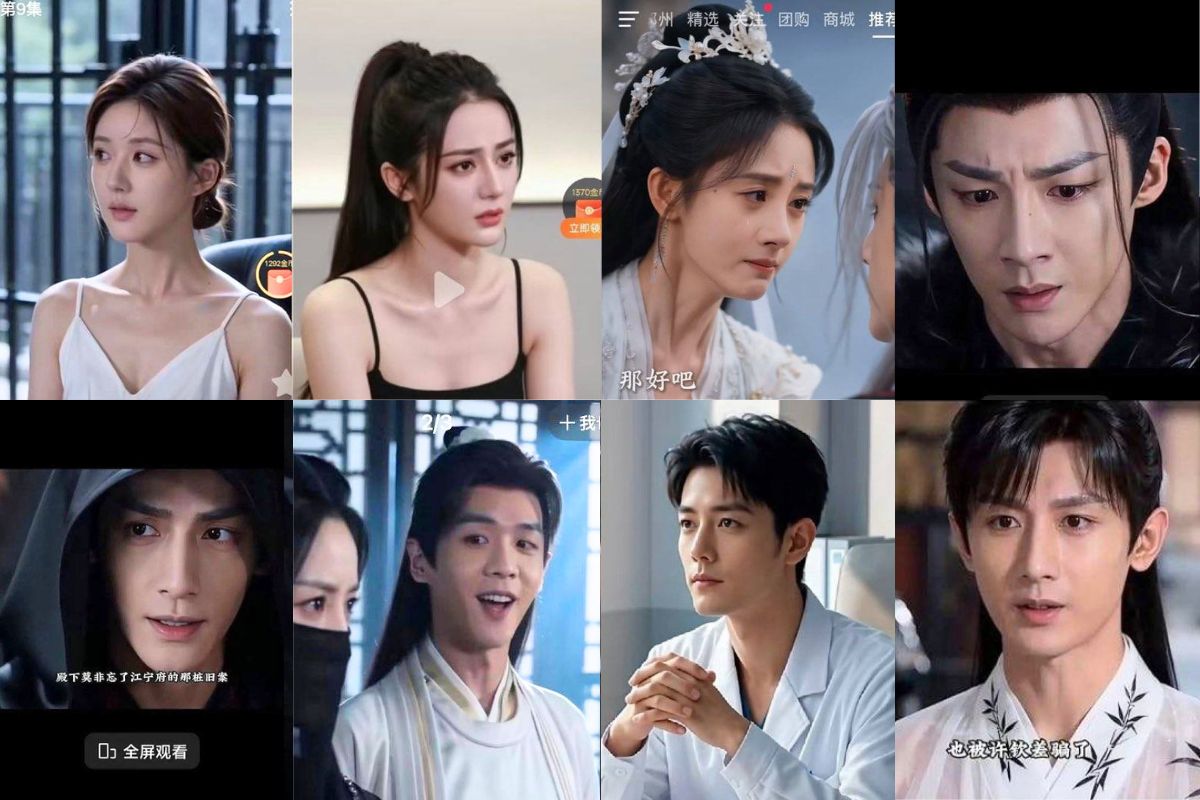
Recently, the issue of short films created by AI illegally using the faces of stars such as Trieu Lo Tu, Dich Le Nhiet Ba, Tieu Chien, Cuc Tinh Y, Thanh Nghi... has caused a headache in the Chinese entertainment industry.
Despite being reported and receiving many negative reactions from audiences as well as artist fans, they continue to produce more and more.
From April to now, stars such as Dich Duong Thien Ti, Vuong Hac De, Truong Tinh Nghi, Cung Tuan, Dan Kien Thu, Trieu Lo Tu and their offices have continuously issued notices resolutely opposing acts of infringement of image rights, honor and other civil rights through AI technology or "deepfake" (representing).
On April 27, Trieu Lo Tu's representative declared: "Our company has immediately commissioned a team of professional lawyers to collect and preserve evidence of copyright infringement short films, and at the same time reserve the right to apply all necessary legal measures to prosecute the responsibility of the violating party".


