1918 - a milestone that has been "administrativeized
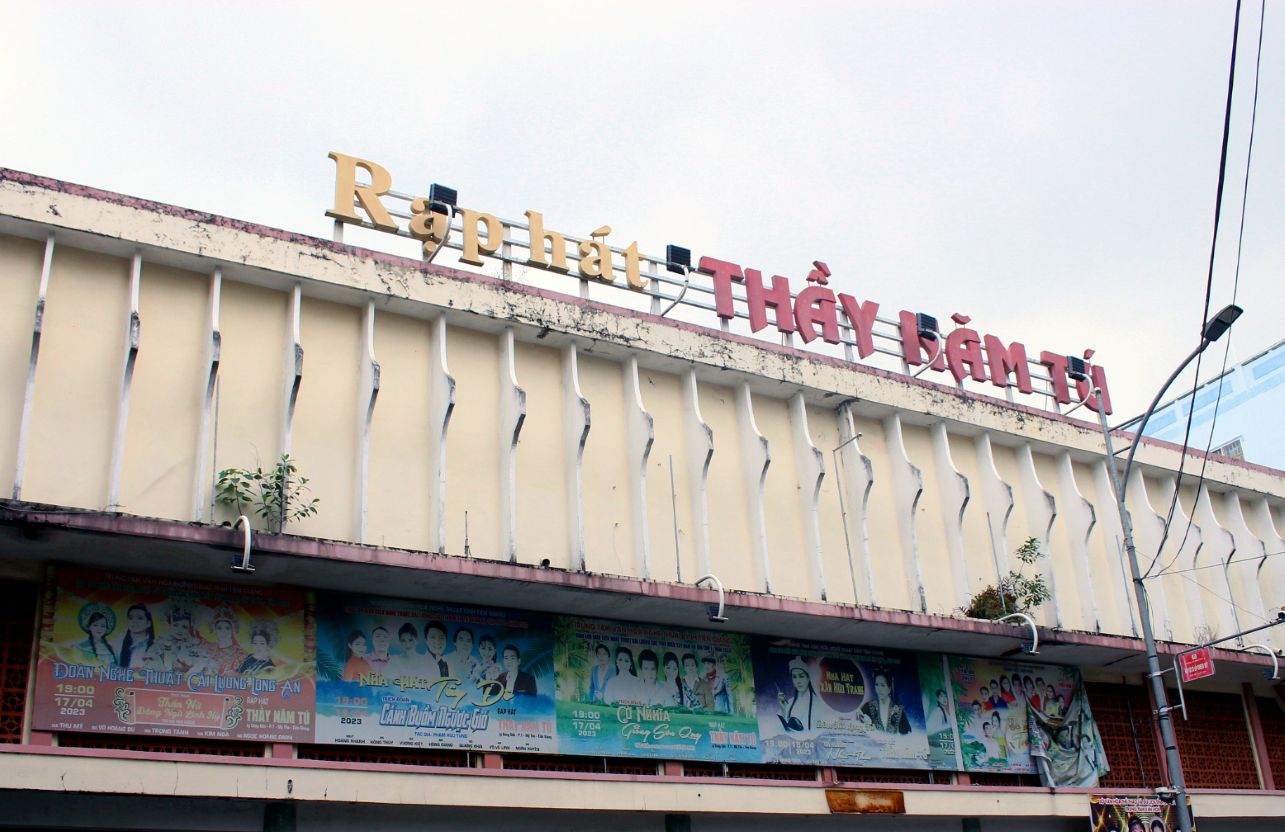
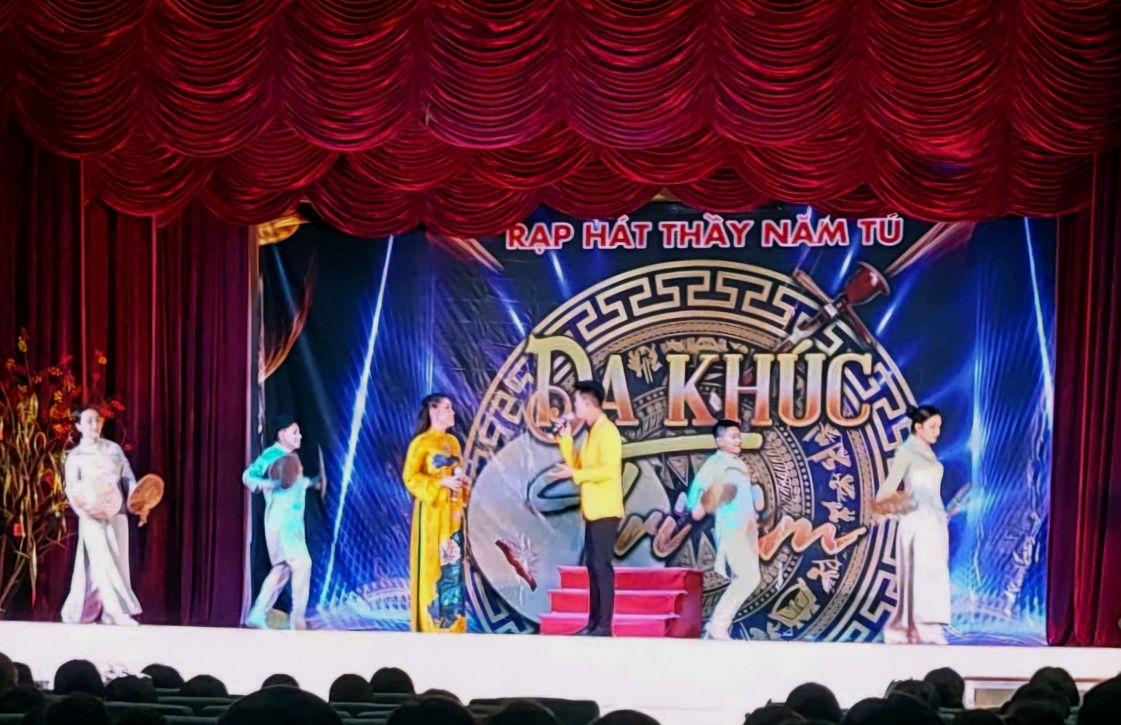
Among many popular documents, Thay Nam Tu Theater (My Tho City, Tien Giang province, now My Tho ward, Dong Thap province) is considered the "home" of Cai Luong stage.
The familiar story is often recounted as follows: after returning to Thay Than's troupe, also known as Andre Than (Sa Dec), Thay Nam Tu (real name Chau Van Tu) renovated the Cinema Palace cinema near My Tho market into a Cai Luong performance space.
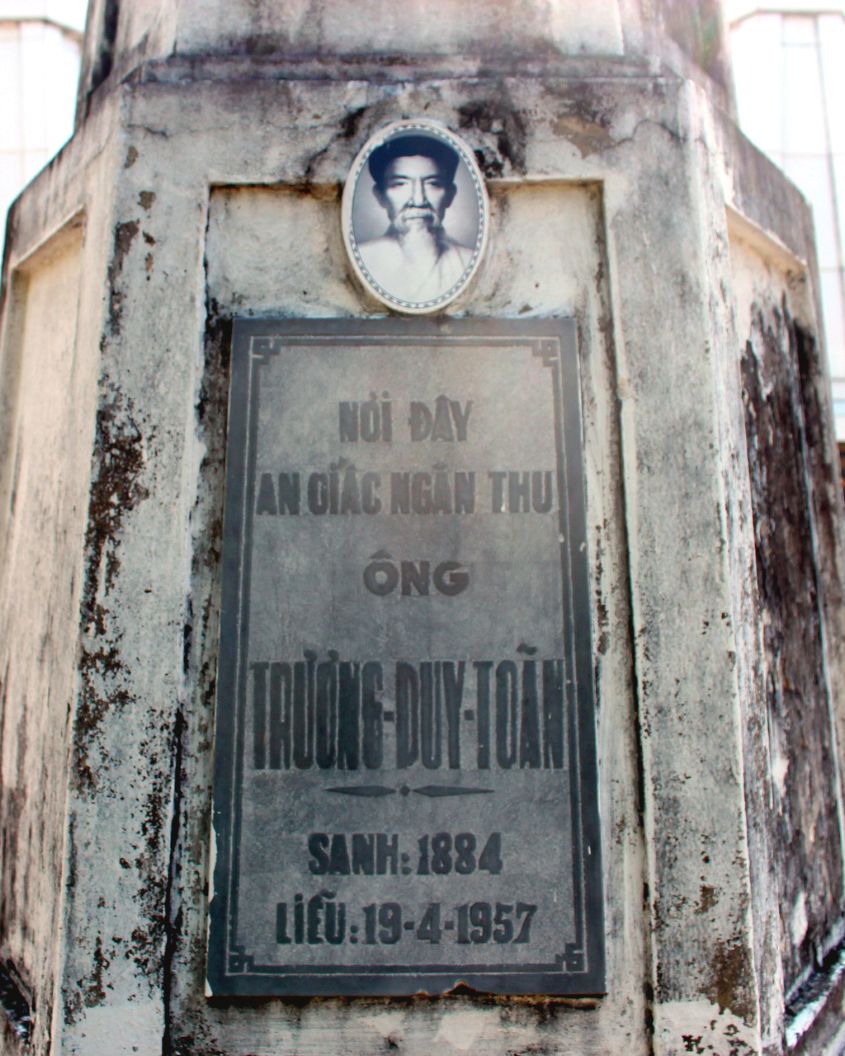
Here, the stage is organized in Tuong classes, with painters painting scenes and a fixed performance schedule. The play often mentioned is Kim Van Kieu, adapted from Nguyen Du's Kieu Story, compiled by Truong Duy Toan. Many local documents record that this time was March 15, 1918.
Over time, the 1918 milestone was used so commonly that it became a "standard" in the way of telling the history of Cai Luong. Since then, many activities to preserve and honor the artistic value of Cai Luong have been implemented.
In 2010, Thay Nam Tu Theater was restored; in 2012 it was recognized as a provincial-level historical and cultural relic. In 2022, the theater was honored in the "Top 100 Unchanged Records of Vietnam" list with the title "first Cai Luong Theater in Vietnam".
It can be said that the 1918 milestone has gradually been "administrativeized", becoming a familiar event in cultural life and heritage management.
Looking back at history from a research perspective
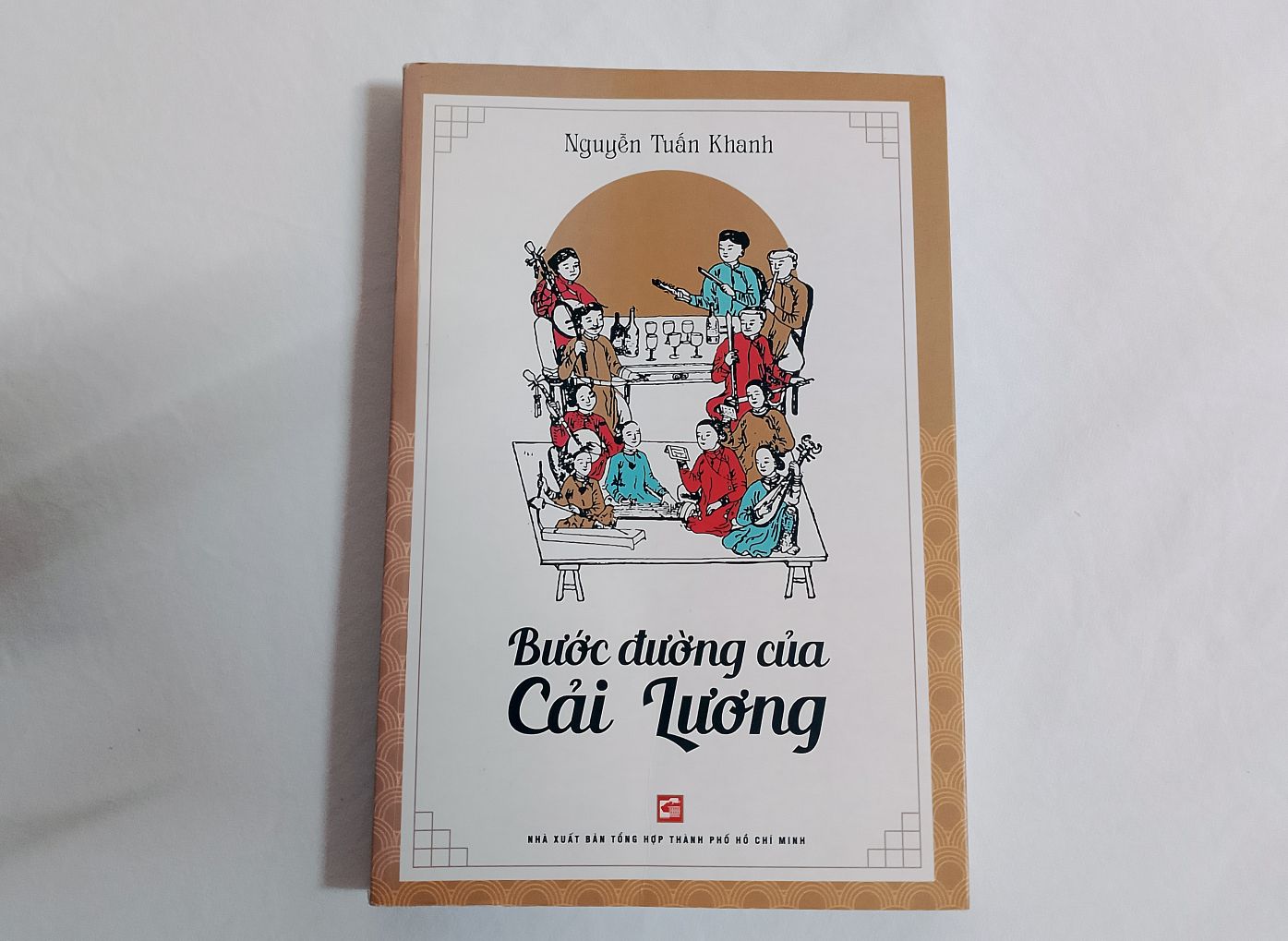
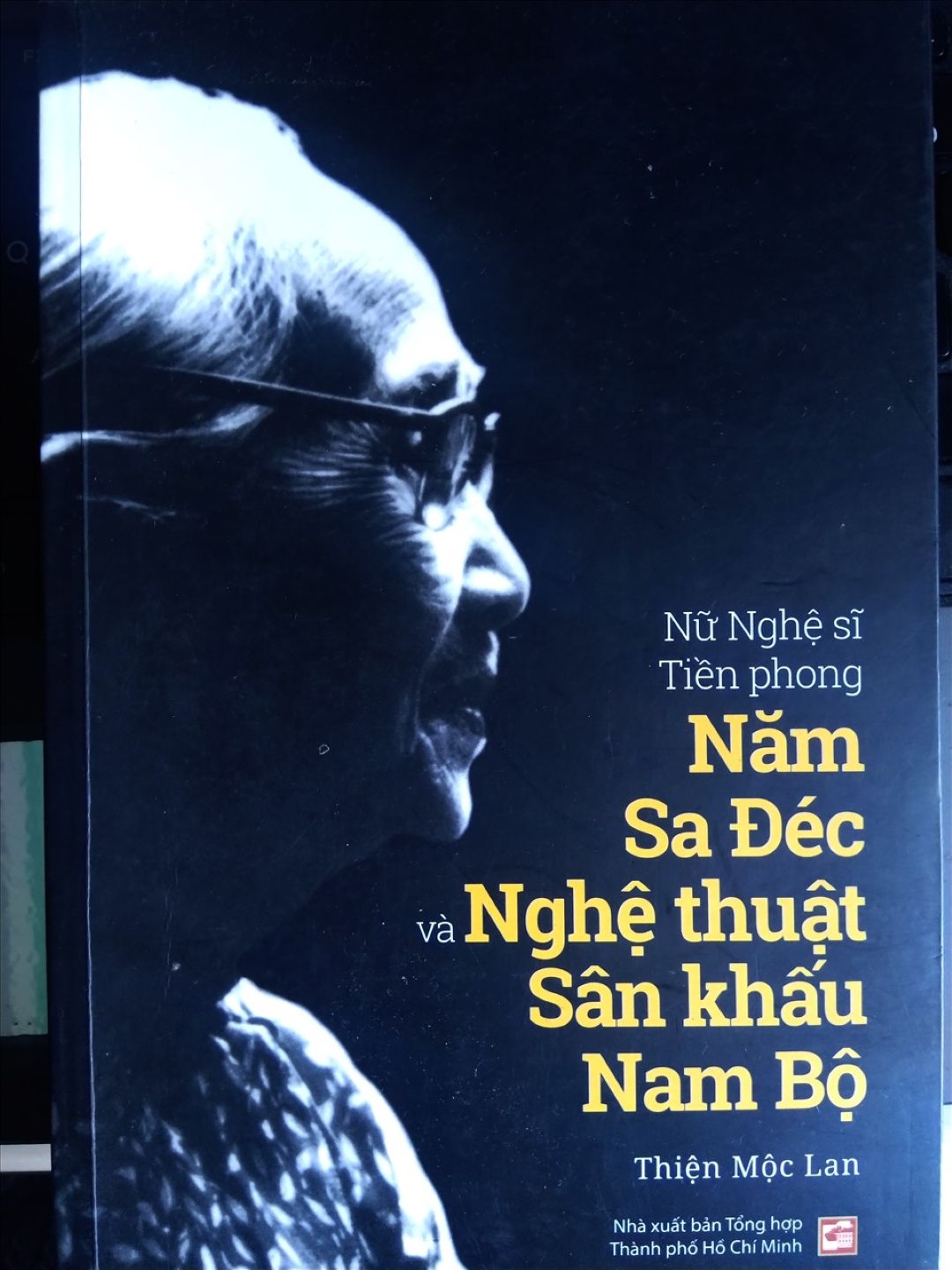
However, in the research community, the question of the accuracy of the 1918 milestone is increasingly raised. Nguyen Duc Hiep in the work Stage Art: Hat boi, Don ca tai tu and Cai luong in Saigon and Nam Ky from the late 19th century to 1945 (2017) and Nguyen Tuan Khanh in Buoc duong cua cai luong (2018), Thien Moc Lan, in the work "Nu si tien phong Nam Sa Dec and Southern stage art" (2018) all believe that the 1918 milestone is not really convincing if considered from the perspective of the history of the troupe organization.
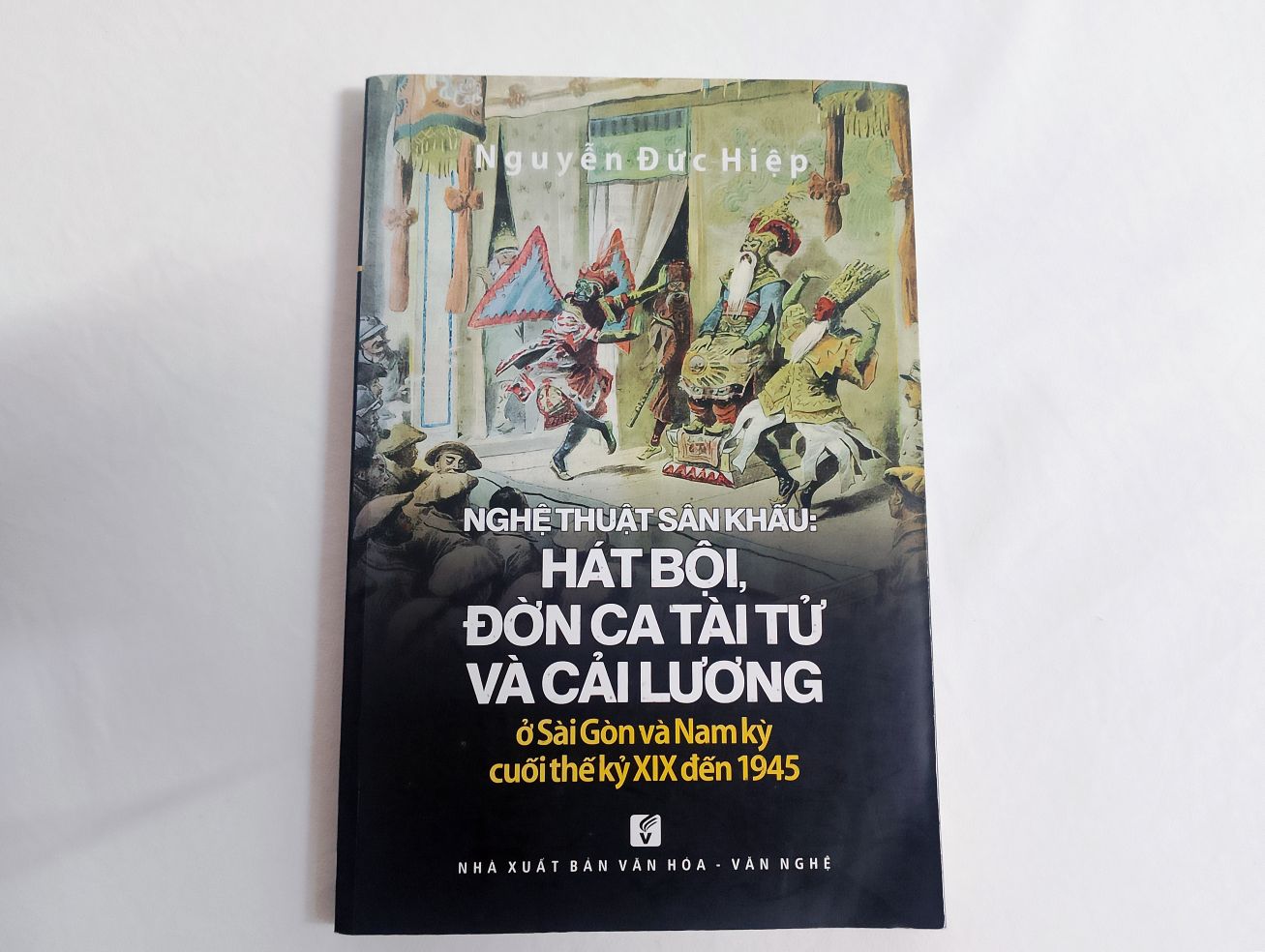
According to the documents cited, in 1918, Teacher Nam Tu did not own Andre Than's troupe. Nguyen Tuan Khanh wrote that due to business losses, Andre Than brought the troupe to Saigon to perform for the last time at the Modern Theater on March 19, 1922, and then disbanded. It was from the double diva force of Andre Than's troupe that Chau Van Tu gathered to establish the Cai Luong troupe.
Another detail shows that until 1920, Andre Than still started selling bonds to invest more in the troupe. This shows that the transfer of the troupe to Thay Nam Tu took place later than the 1918 milestone often mentioned.
From this perspective, if considered according to historical subject criteria, affirming that "Teacher Nam Tu Theater organized cai luong from 1918" does not really have a solid basis.
Rewriting history is not to deny
Re-raising the issue of the timeline is not to deny the role of Thay Nam Tu Theater in the history of Cai Luong. On the contrary, it is a cautious approach to better understand the position of this theater in the process of forming a special type of theater in the South.
Relic dossiers are not the final conclusion of historical science; records do not mean academic truth. Meanwhile, the press and researchers are responsible for asking questions, expanding their perspectives, in order to help history be fully understood.
From that perspective, Thay Nam Tu Theater is not only a "starting point" associated with a specific number, but also an important link in the process of forming Cai Luong - a process that takes place continuously, with many levels, with the participation of many different subjects and cultural spaces.
Only when looking at history with a multi-dimensional and sober perspective can we correctly understand the value of Cai Luong - a cultural heritage that did not come into being in a moment, but was created through a long creative journey of the Southern artist community and public.
It's a bit of a bit of a bit of a bit of a bit of a bit.